StylopediaStylopedia

Aesthetics styles on Stylopedia

A visual encyclopedia of aesthetics styles – use as prompt inspiration for Midjourney, Gemini, or ChatGPT AI when making aesthetics images

Example of visual style of Car Designers

Car Designers

Car Designers is a visual style associated with the field of automotive design. This style emerged in the early 20th century with the introduction of mass-produced automobiles. It became famous for its focus on functionality, aerodynamics, and aesthetics. Car designers have played a crucial role in shaping the automotive industry by creating iconic designs that reflect the spirit of their respective eras. Some important years for this style include the 1920s Art Deco era, the 1950s space-age design, and the current trend towards sleek, minimalist forms. Car Designers have brought innovation, engineering prowess, and artistic sensibility to the design of automobiles.

View StyleExplore Style
Example of visual style of Comic Book Noir

Comic Book Noir

Comic Book Noir is a visual style that combines elements of film noir and comic book aesthetics. It emerged in the 1980s and became famous through works like Frank Miller's 'Sin City' series. This style is characterized by high contrast black and white imagery, dramatic lighting, bold lines, and heavy use of shadows. It often features morally ambiguous characters, gritty urban settings, and a sense of mystery and crime. Comic Book Noir captures the dark, atmospheric mood of film noir and translates it into the graphic storytelling of comic books.

View StyleExplore Style
Example of visual style of Contemporary Architecture

Contemporary Architecture

Contemporary Architecture is characterized by its innovative and forward-thinking design, which reflects the spirit of the present time. It emerged in the late 20th century and continues to evolve today. This style became famous for its departure from traditional architectural principles, embracing new materials, technologies, and sustainability practices. Contemporary architecture seeks to create harmonious spaces that blend functionality, aesthetics, and environmental consciousness.

View StyleExplore Style
Example of visual style of Fashion Design

Fashion Design

Fashion Design refers to the art and application of design and aesthetics in clothing and accessories. It has evolved over the years and gained prominence in the fashion industry. This visual style became particularly famous during the mid-20th century, with fashion designers like Coco Chanel and Christian Dior revolutionizing the industry. The blend of creativity, craftsmanship, and innovation in clothing design has made Fashion Design a distinct and influential visual style.

View StyleExplore Style
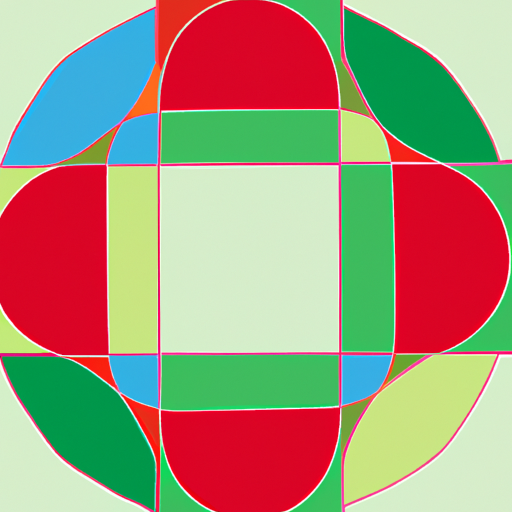
Example of visual style of Gothic Subculture

Gothic Subculture

Gothic Subculture emerged in the late 1970s and became famous in the 1980s. It is characterized by dark and dramatic fashion and aesthetics, often inspired by Gothic literature and horror films. The style is known for its emphasis on black clothing, extravagant makeup (such as pale skin and dark eye makeup), and accessories like chokers, lace, and leather. Gothic Subculture is admired for its romantic and melancholic atmosphere, expressed through a combination of music, fashion, and alternative lifestyle choices.

View StyleExplore Style
Example of visual style of Historical Contemporary Fusion

Historical Contemporary Fusion

Historical Contemporary Fusion is a visually striking style that seamlessly blends elements of historical and contemporary design. It gained popularity in the late 20th century and continues to influence design today. The style combines classic design elements from various historical periods, such as Baroque, Rococo, Art Deco, and Mid-century Modern, with contemporary aesthetics and materials. This fusion creates a unique visual language that attracts attention and sparks intrigue.

View StyleExplore Style
Example of visual style of Japanese Cultural Heritage

Japanese Cultural Heritage

Japanese Cultural Heritage is a style that encompasses various artistic and design elements deeply rooted in the traditions and history of Japan. It encompasses a wide range of mediums including painting, sculpture, architecture, textiles, and ceramics. This style is known for its attention to detail, refined aesthetics, and a deep respect for nature. It is influenced by important artistic periods in Japanese history such as the Heian period (794-1185) and Edo period (1603-1868). The use of traditional materials and techniques, such as ink painting, woodblock printing, and origami, contribute to its distinctiveness and cultural significance.

View StyleExplore Style

Example of visual style of Sei Shonagon

Sei Shonagon

Sei Shonagon was a Japanese author and the renowned author of 'The Pillow Book' during the Heian period (794-1185). This style is known for its poetic and elegant depiction of courtly life, capturing the customs, emotions, and aesthetics of the time. The Pillow Book, written around the year 1000, was a collection of anecdotes, observations, and musings on various aspects of court life, including fashion, literature, nature, and social interactions. Sei Shonagon's keen eye for detail and her ability to vividly describe scenes made this style famous and have since influenced numerous other literary works.

View StyleExplore Style
Example of visual style of The Fall

The Fall

The Fall is a visual style characterized by dark and moody aesthetics, primarily used in cinematography and photography. It gained popularity in the late 1990s and early 2000s, and is known for its use of muted colors, heavy shadows, and a sense of melancholy. It features desaturated tones and a reduced color palette, emphasizing the contrast between light and dark. The style often involves incorporating elements of nature and landscapes to create a haunting and atmospheric atmosphere. The Fall became famous for its ability to evoke emotions and tell stories through its unique visual language.

View StyleExplore Style
Home