StylopediaStylopedia

Adventure styles on Stylopedia

A visual encyclopedia of adventure styles – use as prompt inspiration for Midjourney, Gemini, or ChatGPT AI when making adventure images

Example of visual style of Aladdin

Aladdin

The visual style of 'Aladdin' is a vibrant blend of traditional Arabian and Indian art. Released in 1992 by Disney, this animated film brought to life a whimsical world filled with rich colors, intricate patterns, and a lively sense of adventure. The film's stunning artwork drew inspiration from various sources, including Islamic architecture, Indian miniatures, and Persian carpets. 'Aladdin' became famous for its dynamic animation, catchy music, and memorable characters like Aladdin, Jasmine, and the lovable Genie.

View StyleExplore Style
Example of visual style of Bohemian Style

Bohemian Style

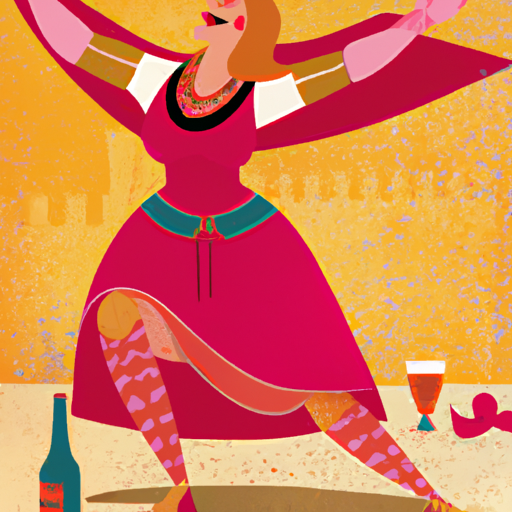
Bohemian style, also known as Boho chic, emerged in the early 2000s as a fashion trend and has become a popular visual style ever since. Inspired by the free-spirited and unconventional lifestyle of the bohemian movement of the 1960s and 1970s, this style combines elements of hippie, gypsy, and vintage aesthetics. Characterized by its eclectic and expressive nature, the Bohemian style embraces bright colors, bold patterns, and a mix of textures. It often incorporates natural materials like wood, wicker, and rattan, as well as handmade or artisanal objects. Romantic and whimsical, Bohemian style celebrates individuality and a sense of adventure.

View StyleExplore Style
Example of visual style of Cardcaptor Sakura

Cardcaptor Sakura

Cardcaptor Sakura is a visually vibrant and whimsical style that was popularized through the manga and anime series of the same name, created by Clamp. Originally serialized in 1996, Cardcaptor Sakura gained immense popularity for its distinctive and enchanting art style. The series revolves around Sakura Kinomoto, a young girl who becomes a magical girl and must capture magical Clow Cards. The style is characterized by its cute and expressive characters, intricate and detailed backgrounds, and the use of vibrant colors. It seamlessly combines elements of fantasy, romance, and adventure, creating a visually stunning and immersive world.

View StyleExplore Style
Example of visual style of Eiji Aonuma

Eiji Aonuma

Eiji Aonuma is a Japanese video game designer known for his work on The Legend of Zelda series. He became the series producer and director starting from the release of The Legend of Zelda: Ocarina of Time in 1998. Aonuma's visual style is characterized by immersive and expansive worlds, intricate puzzles, and a blend of fantasy and adventure. He is famous for his contributions to the series, especially for his emphasis on exploration, intricate storytelling, and a sense of wonder. Aonuma's work has greatly influenced the action-adventure genre of video games.

View StyleExplore Style
Example of visual style of Georges Remi

Georges Remi

Georges Remi, better known by his pen name Hergé, was a Belgian cartoonist. He is best known for creating the iconic comic book series 'The Adventures of Tintin'. Hergé's visual style, also known as 'ligne claire' (clear line), revolutionized the world of comics in the mid-20th century. His style was characterized by clean and precise lines, simplified forms, and a strong emphasis on clarity and detail. Hergé's work became famous for its unique blend of adventure, humor, and social commentary, influencing generations of comic artists.

View StyleExplore Style

Example of visual style of Herge

Herge

The Herge style is a distinctive visual style developed by Belgian cartoonist Georges Remi, also known as Herge. This style is best known for its clean lines, precise details, and vibrant colors. It gained fame in the 20th century, particularly during the mid-1900s, with the creation of the popular comic book series 'The Adventures of Tintin'. The attention to detail, realistic portrayal of characters and settings, as well as the combination of humor, adventure, and mystery, contributed to the immense success of Herge's work.

View StyleExplore Style
Example of visual style of Hugo Pratt

Hugo Pratt

Hugo Pratt was an Italian comic book artist known for his distinctive visual style that combined detailed and realistic drawings with a sense of adventure and exoticism. His career spanned from the 1960s to the early 1990s, and he is most famous for creating the internationally acclaimed series 'Corto Maltese'. Pratt's style was characterized by his exceptional ability to capture the essence of different cultures, landscapes, and historical periods with a high level of accuracy. His use of hatching, cross-hatching, and shading techniques created a rich and textured look. This visual style became famous for its captivating storytelling and the skillful blending of history, politics, and fantasy.

View StyleExplore Style

Example of visual style of Jules Verne

Jules Verne

The Jules Verne visual style, inspired by the 19th-century French author, is characterized by a blend of Victorian aesthetics and futuristic technology. Popularized during the late 1800s, this style gained fame through Verne's science fiction novels, which depicted imaginative advancements in technology and exploration. The Jules Verne visual style combines lavish Victorian architecture, ornate details, revivals of historical styles, and futuristic elements, creating a world of adventure and fantasy.

View StyleExplore Style
Example of visual style of Nc Wyeth

Nc Wyeth

Nc Wyeth was an American painter and illustrator during the late 19th and early 20th centuries. His visual style is characterized by highly detailed and vibrant oil paintings with a focus on narrative storytelling. Wyeth became famous for his illustrations of adventure and historical books, particularly for his work on Treasure Island, Robin Hood, and The Last of the Mohicans. His use of dramatic lighting and bold composition techniques brought his subjects to life and established him as one of the most prominent illustrators of his time.

View StyleExplore Style
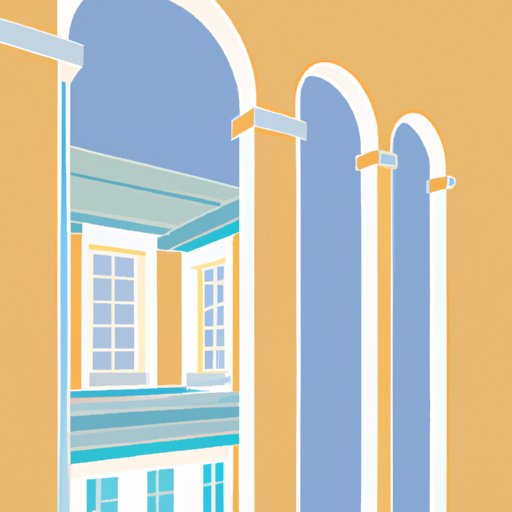
Example of visual style of Roger Broders

Roger Broders

Roger Broders was a French artist known for his travel posters during the 1920s and 1930s. His posters became famous for their vibrant colors, bold typography, and stylized Art Deco illustrations. Broders' work captured the essence of the Art Deco era and the luxury and glamour of travel. He worked for various travel companies, creating posters that enticed people to visit popular destinations like the French Riviera, the Alps, and the Mediterranean. Broders' style became iconic for its ability to evoke a sense of excitement and adventure.

View StyleExplore Style
Example of visual style of Shōnen

Shōnen

Shōnen is a visual style that originated in Japan in the late 19th century and is still popular today. It emerged during the Meiji era and gained significant recognition in the 20th and 21st centuries. Shōnen, which translates to 'boy' in Japanese, is characterized by its vibrant and dynamic artistic elements, featuring bold lines, exaggerated proportions, and intense action sequences. It focuses primarily on stories and characters aimed at young boys, often involving themes of adventure, heroism, friendship, and growth. Shōnen manga and anime, such as 'Dragon Ball' and 'One Piece', have gained international fame and contributed to the popularity of this style.

View StyleExplore Style
Example of visual style of The Legend Of Zelda Series

The Legend Of Zelda Series

The visual style of The Legend Of Zelda series is often described as a blend of fantasy and adventure. It first gained fame in 1986 with the release of the original Legend of Zelda game. Since then, the series has continued to captivate players with its immersive worlds, iconic characters, and intricate puzzles. The style is characterized by its vibrant and colorful environments, whimsical character designs, and a mix of medieval and futuristic elements, creating a unique and timeless visual experience.

View StyleExplore Style
Example of visual style of Tintin

Tintin

Tintin is a visual style that originated in the late 1920s by Belgian cartoonist Hergé. It gained popularity through the comic book series 'The Adventures of Tintin' which was first published in 1929. The style is known for its clean and precise line art, bold colors, and distinctive characters. The stories take readers on thrilling adventures around the globe, combining humor, action, and mystery. Tintin's visual style made use of strong outlines, realistic backgrounds, and detailed panel layouts, creating a visually stunning and immersive experience for readers.

View StyleExplore Style
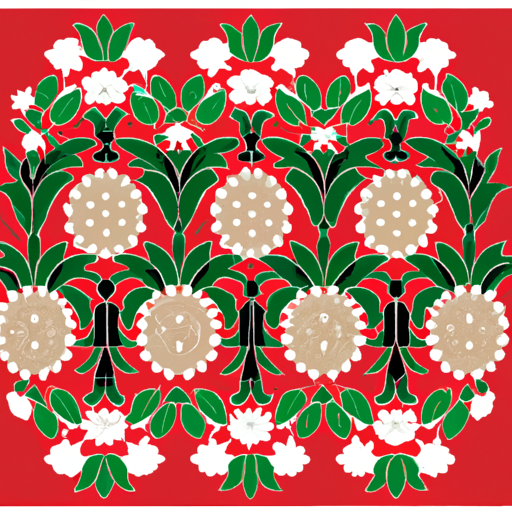
Example of visual style of Tsubasa Reservoir Chronicle

Tsubasa Reservoir Chronicle

Tsubasa Reservoir Chronicle is a visually stunning manga and anime series that was created by the renowned group of manga artists known as Clamp. The series started in 2003 and quickly gained fame for its mesmerizing aesthetics and intricate character designs. With its imaginative settings, detailed backgrounds, and beautifully illustrated costumes, Tsubasa Reservoir Chronicle captivated audiences worldwide. The style became famous for its blend of fantasy, adventure, and romance, and its popularity helped solidify Clamp's reputation as master visual storytellers.

View StyleExplore Style
Example of visual style of Uderzo

Uderzo

Uderzo is a visual style created by Albert Uderzo, a French comic book artist and scriptwriter. Uderzo is best known for his work on the Asterix comic book series, which he co-created with René Goscinny. The Uderzo visual style is characterized by its vibrant and dynamic illustrations, detailed and expressive characters, and comical storytelling. Uderzo's work gained popularity in the 1960s and continues to be well-loved today, captivating audiences with its unique blend of humor, adventure, and historical settings.

View StyleExplore Style
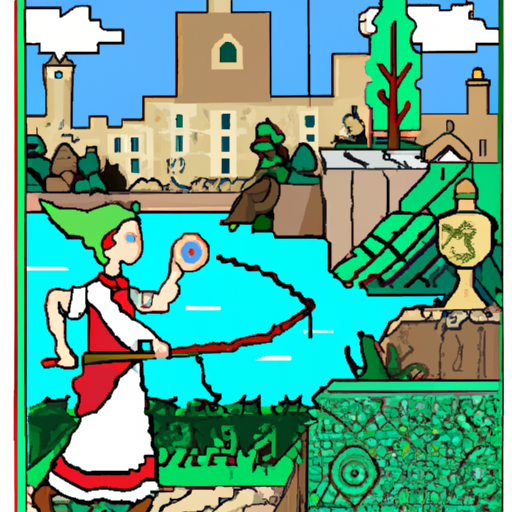
Example of visual style of Weekly Shonen Jump

Weekly Shonen Jump

Weekly Shonen Jump is a popular manga magazine style that has been influential in the world of manga and anime. It was first published in 1968 by Shueisha and is known for its serialized stories, targeted towards young boys, packed with action, adventure, and humor. Weekly Shonen Jump became famous for introducing iconic and long-running series such as Dragon Ball, Naruto, One Piece, and Bleach. It has been a platform for talented manga artists to showcase their work and has contributed immensely to shaping the manga industry.

View StyleExplore Style
Home