StylopediaStylopedia

Absurdity styles on Stylopedia

A visual encyclopedia of absurdity styles – use as prompt inspiration for Midjourney, Gemini, or ChatGPT AI when making absurdity images

Example of visual style of Eric Idle

Eric Idle

The Eric Idle visual style refers to the distinctive aesthetic associated with British comedian and actor Eric Idle. It emerged during the 1970s and gained prominence through his work with the comedy group Monty Python. Eric Idle's visual style is characterized by a combination of absurdity, eccentricity, and surrealism. His comedic performances often showcase flamboyant costumes, exaggerated facial expressions, and frenetic physicality, creating a unique and highly entertaining experience for audiences.

View StyleExplore Style
Example of visual style of Gilbert Shelton

Gilbert Shelton

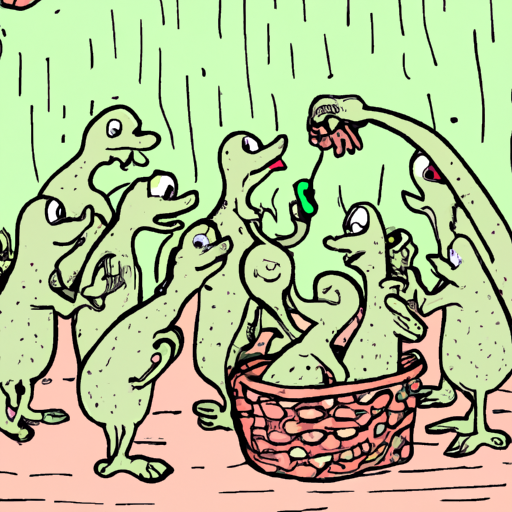
Gilbert Shelton is an underground cartoonist known for his distinctive visual style, which emerged in the 1960s. His comic strips, such as 'The Fabulous Furry Freak Brothers' and 'Fat Freddy's Cat', became popular during the counterculture movement, particularly in the United States. Shelton's art is characterized by its psychedelic and humor-driven nature, featuring exaggerated characters with wild expressions and trippy backgrounds. His unique blend of satire, social commentary, and absurdity made his work iconic and influential during this time.

View StyleExplore Style
Example of visual style of Harold Ramis

Harold Ramis

Harold Ramis is known for his visual style in comedy films during the 1980s and 1990s. His works, such as Ghostbusters (1984) and Groundhog Day (1993), are famous for their humorous and whimsical tone. Ramis incorporated a mix of slapstick, visual gags, and witty dialogue to create a unique comedic style. His films often featured eccentric characters, clever storytelling, and a balance between absurdity and heartwarming moments. This style became influential and widely recognized in the comedy genre.

View StyleExplore Style
Example of visual style of Monty Python

Monty Python

Monty Python is a visually eccentric and surreal comedic style that emerged in the late 1960s and became famous through the comedic group Monty Python, including its members Graham Chapman, John Cleese, Terry Gilliam, Eric Idle, Terry Jones, and Michael Palin. The visual style is characterized by its unique blend of absurdity, satire, and animation, often featuring bizarre costumes, exaggerated physical movements and expressions, hand-drawn animations, and surreal art direction. This style gained significant fame through the television series 'Monty Python's Flying Circus' (1969-1974) and later through their films like 'Monty Python and the Holy Grail' (1975) and 'Monty Python's Life of Brian' (1979).

View StyleExplore Style
Example of visual style of Neo Dada

Neo Dada

Neo Dada is an art movement that emerged in the 1950s and reached its peak in the 1960s. It is characterized by an eclectic and unconventional approach, often using everyday objects and found materials to create artworks. The artists associated with Neo Dada aimed to challenge traditional notions of art and aesthetic by combining elements of performance, sculpture, painting, and collage. Neo Dada became famous for its rejection of rationality and embrace of absurdity, randomness, and chance in artistic creation.

View StyleExplore Style
Example of visual style of Tristan Tzara

Tristan Tzara

Tristan Tzara was a key figure in the Dada movement, which emerged during World War I. This visual style, popular between 1916 and the early 1920s, aimed to reject logic and reason, embracing chaos and absurdity instead. It encompassed various mediums including painting, collage, poetry, and performance art. Dada artists, including Tzara, sought to challenge traditional artistic conventions and social norms through their works, often incorporating found objects and nonsensical elements. The style gained fame for its outrageous and provocative nature, emphasizing anti-art and the deconstruction of established norms.

View StyleExplore Style
Example of visual style of Weird Art

Weird Art

Weird Art is a visual style that emerged in the late 20th century and continues to be influential today. It is characterized by its unconventional, whimsical, and often surreal imagery. This style gained popularity in the 1990s with the rise of underground comics and alternative art movements. Artists like Salvador Dali and Hieronymus Bosch are considered pioneers of this style. Weird Art challenges traditional ideas of beauty and reality, incorporating strange, fantastical elements and exploring the subconscious. It often combines humor and absurdity with elements of horror and the grotesque. Taking inspiration from dreams, nightmares, and the absurdity of everyday life, Weird Art pushes the boundaries of artistic expression.

View StyleExplore Style
Home