StylopediaStylopedia

Absurd styles on Stylopedia

A visual encyclopedia of absurd styles – use as prompt inspiration for Midjourney, Gemini, or ChatGPT AI when making absurd images

Example of visual style of American Dad

American Dad

American Dad is an animated sitcom with a distinct visual style known for its bold, vibrant, and exaggerated aesthetic. It first aired in 2005 and gained popularity for its unique blend of absurdity, political satire, and irreverent humor. The show's visual style combines clean and sharp lines with bright colors, creating a visually striking and eye-catching look. The characters are often depicted with exaggerated features and caricatured designs, adding to the overall comedic tone. American Dad's visual style has become iconic and is easily recognizable among animated television shows.

View StyleExplore Style

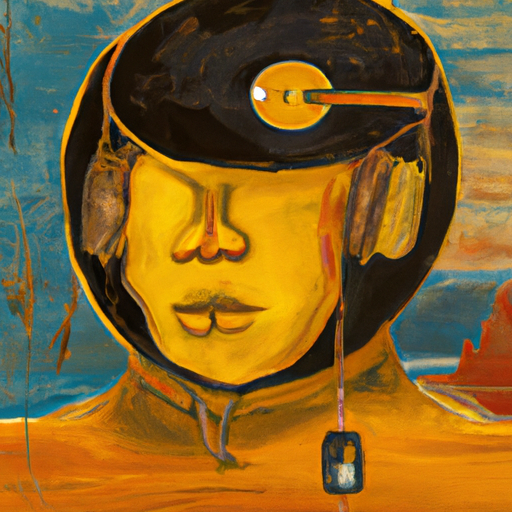
Example of visual style of British Comedy

British Comedy

British Comedy is a genre of humor that originated in the United Kingdom. It gained popularity in the late 20th century and continues to be influential today. This style is characterized by its dry wit, clever wordplay, irony, and satire. Famous British comedies such as Monty Python's Flying Circus (1969-1974), Fawlty Towers (1975-1979), and The Office (2001-2003) are prime examples of this style. British Comedy often tackles social and political issues with a humorous and often absurd approach, making it unique and widely recognized.

View StyleExplore Style
Example of visual style of Dada

Dada

Dada is an art movement that emerged during World War I in Zurich, Switzerland (1916-1922). It is known for its rebellious and anti-art nature, challenging traditional notions of art. Dadaists sought to create an irrational and absurd art that would reflect the chaotic and nihilistic atmosphere of the war. Nonsensical and provocative, Dada rejected the conventional ideas of beauty and purpose, emphasizing random and chance-based techniques. Through collage, assemblage, readymades, and performance art, Dadaists aimed to undermine the established norms and question the role of art in society.

View StyleExplore Style
Example of visual style of Douglas Adams

Douglas Adams

The visual style of Douglas Adams is characterized by a blend of whimsical science fiction, satirical humor, and imaginative storytelling. Adams was an English author best known for his book series 'The Hitchhiker's Guide to the Galaxy', which gained immense popularity in the late 1970s and early 1980s. His unique writing style and wit captivated readers, combining fantastical worlds, absurd characters, and clever wordplay. Adams' visual style is often associated with vibrant and colorful illustrations depicting futuristic landscapes and extraordinary creatures, complementing the outlandish nature of his narratives.

View StyleExplore Style

Example of visual style of Joan Cornellà

Joan Cornellà

Joan Cornella is a Spanish cartoonist known for his distinctive and darkly humorous visual style. His work gained popularity in the 2010s with the rise of social media, particularly on platforms like Instagram. Cornella's illustrations often depict surreal and absurd scenarios, often with unsettling and twisted humor. He has a minimalist approach, using bold and vibrant colors in his artwork. His style is characterized by exaggerated facial expressions, simple yet detailed linework, and a consistent lack of dialogue or text, allowing the visuals to speak for themselves. Cornella's works often tackle themes of social criticism, satire, and dark comedy, engaging the viewer with provocative and thought-provoking imagery.

View StyleExplore Style
Example of visual style of Monty Python

Monty Python

Monty Python is a visually eccentric and surreal comedic style that emerged in the late 1960s and became famous through the comedic group Monty Python, including its members Graham Chapman, John Cleese, Terry Gilliam, Eric Idle, Terry Jones, and Michael Palin. The visual style is characterized by its unique blend of absurdity, satire, and animation, often featuring bizarre costumes, exaggerated physical movements and expressions, hand-drawn animations, and surreal art direction. This style gained significant fame through the television series 'Monty Python's Flying Circus' (1969-1974) and later through their films like 'Monty Python and the Holy Grail' (1975) and 'Monty Python's Life of Brian' (1979).

View StyleExplore Style
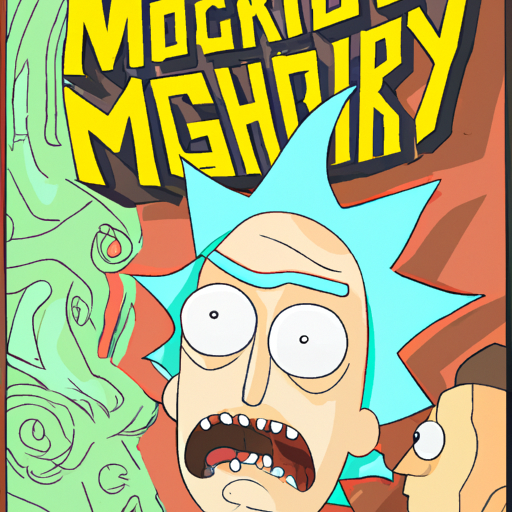
Example of visual style of National Lampoon

National Lampoon

The National Lampoon visual style emerged during the 1970s and became famous for its satirical and irreverent approach. It was known for its bold and humorous illustrations, often incorporating exaggerated characters and absurd situations. National Lampoon gained popularity for its magazine covers, which featured iconic art that reflected the counterculture of the time. This style remained influential throughout the 1980s and beyond, inspiring other satirical publications and comedy films.

View StyleExplore Style
Example of visual style of Neo Dadaism

Neo Dadaism

Neo Dadaism is an avant-garde art movement that emerged in the 1950s and 1960s. It was a reaction against the rationalism and conformity of the post-World War II era. Neo Dadaist artists sought to challenge traditional notions of art by embracing random and absurd elements in their work. They used unconventional materials, performance art, and found objects to create provocative and often nonsensical pieces. Neo Dadaism became famous for its rejection of traditional artistic boundaries and its exploration of the relationship between art and everyday life.

View StyleExplore Style
Home