StylopediaStylopedia

Abstraction styles on Stylopedia

A visual encyclopedia of abstraction styles – use as prompt inspiration for Midjourney, Gemini, or ChatGPT AI when making abstraction images

Example of visual style of Amy Sherald

Amy Sherald

Amy Sherald is an American artist known for her distinctive style of portrait painting that features vibrant colors, grayscale skin tones, and a unique combination of realism and abstraction. Her work gained international recognition in 2018 when her portrait of former First Lady Michelle Obama was unveiled at the National Portrait Gallery in Washington, D.C. Sherald's style is influenced by Realism and Postmodernism, and she often explores themes of African American identity, representation, and social justice in her artwork.

View StyleExplore Style
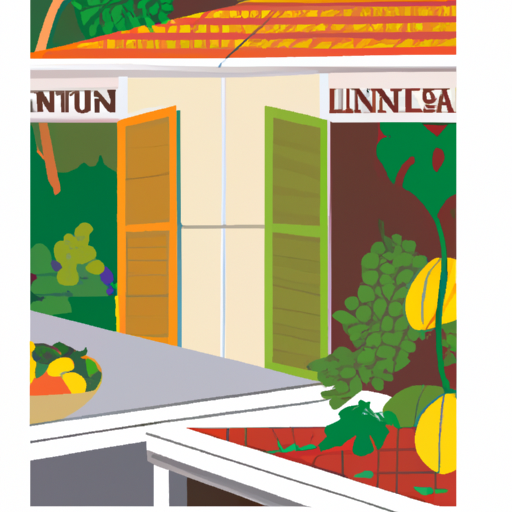
Example of visual style of David Hockney

David Hockney

David Hockney is an English painter, printmaker, and photographer known for his vibrant and colorful artworks. He emerged as a significant figure in the British Pop Art movement in the 1960s. Hockney's style is characterized by a unique blend of representation and abstraction, often using bold and bright colors to capture the essence of his subjects. His works have become famous for their exploration of space, perspective, and the use of collage. Hockney's most renowned works include his swimming pool paintings, double portraits, and landscapes. He continues to be a prominent and influential figure in the contemporary art world.

View StyleExplore Style
Example of visual style of De Stijl Movement

De Stijl Movement

De Stijl Movement, also known as Neoplasticism, emerged in the early 20th century in the Netherlands. It was founded in 1917 by Theo van Doesburg, Piet Mondrian, and Bart van der Leck. This style aimed to achieve a universal visual language by reducing art to its most basic elements of geometric shapes and primary colors. The movement believed in a harmonious integration of art and life, with a focus on simplicity, precision, and abstraction. De Stijl became famous for its use of vertical and horizontal lines, primary colors, and a limited palette of black, white, and gray. The movement had a profound influence on architecture, design, and visual arts, paving the way for modernism.

View StyleExplore Style
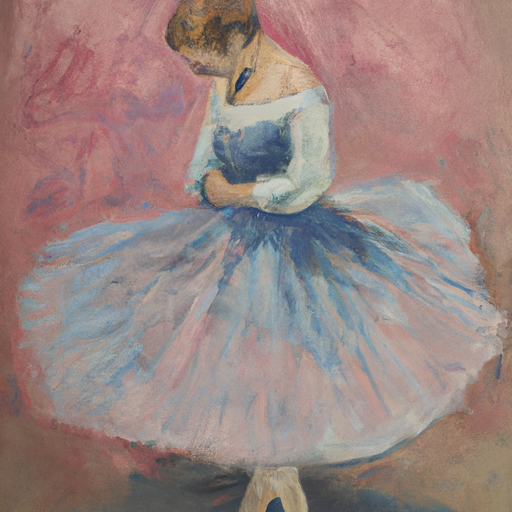
Example of visual style of Degas

Degas

Degas, an influential French artist, is known for his Impressionist paintings and sculptures that depicted everyday life scenes in late 19th-century Paris. He gained fame in the 1870s as a member of the Impressionist movement and continued to refine his style in the following decades. Degas is renowned for his use of color, light, and composition to capture the transient moments and the beauty of modernity. His works often explored dance and ballet, focusing on the movements and emotions of the dancers. Degas' style combined realism with a sense of abstraction, providing a unique perspective on the modern world.

View StyleExplore Style
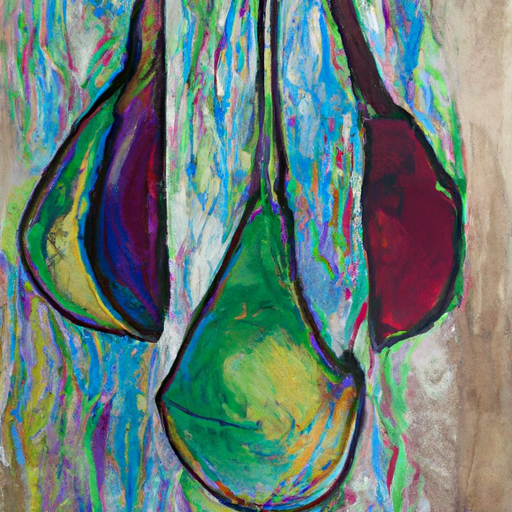
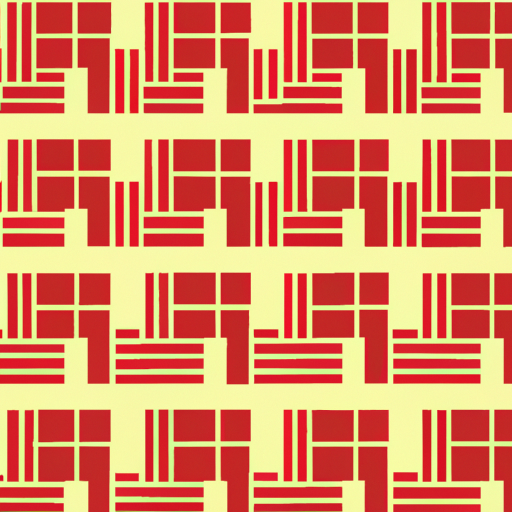
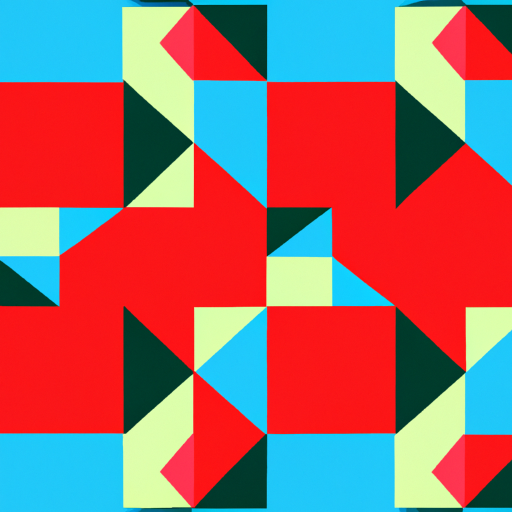
Example of visual style of Geometry

Geometry

Geometry is a visual style characterized by the use of geometric shapes, lines, and patterns. It emerged and gained popularity in the early 20th century, particularly during the 1920s and 1930s. The movement was influenced by advancements in mathematics and science, as well as the growing popularity of industrial design and architecture. Geometry became famous for its emphasis on simplicity, precision, and abstraction, often combining bold colors with clean lines and symmetrical compositions. It was widely used in various art forms, including painting, sculpture, graphic design, and architecture, and had a significant impact on the development of modern art and design.

View StyleExplore Style
Example of visual style of Gerrit Rietveld

Gerrit Rietveld

Gerrit Rietveld was a Dutch architect and furniture designer. He was known for his involvement in the De Stijl movement, which emerged in the early 20th century. Rietveld's style was characterized by simplicity, clean lines, and the use of primary colors. His iconic designs, such as the Red Blue Chair and the Schroder House, showcased his innovative approach to form and space. Rietveld's work became famous for its functionalism and abstraction, making a significant impact on modern architecture and design.

View StyleExplore Style
Example of visual style of Hans Arp

Hans Arp

Hans Arp was a German-French artist and poet known for his abstract and organic visual style. He played a key role in the development of Dadaism and Surrealism. Arp's artistic career spanned from the early 1900s to the 1960s, during which he explored unconventional forms, biomorphic shapes, and the integration of chance in art. His works often showcased a playful and whimsical approach, blurring the distinction between nature and abstraction. Hans Arp's unique style and contributions to the art movement made him a prominent figure in modern art history.

View StyleExplore Style
Example of visual style of James Whistler

James Whistler

James Whistler was an American artist who was active primarily during the mid-19th to early 20th century. He is best known for his portrait paintings and his refined style characterized by subtle tones and harmonies. Whistler's famous work 'Arrangement in Grey and Black No. 1' (also known as 'Whistler's Mother') brought him great recognition. His visual style emphasized a balance between realism and abstraction, utilizing a limited palette and a delicate approach to detail.

View StyleExplore Style
Example of visual style of Joseph Mallord William Turner

Joseph Mallord William Turner

Joseph Mallord William Turner was a prominent English Romantic landscape painter during the late 18th and early 19th centuries. His unique visual style is characterized by his innovative use of light and color, capturing the transformative effects of nature and atmospheric conditions. Turner's works became famous for their dramatic and emotive qualities, often evoking a sense of awe and sublimity. His mature period, from the 1820s to 1850s, saw him experimenting with abstraction and pushing the boundaries of traditional landscapes. Turner's attention to detail, vibrant palettes, and expressive brushwork made him one of the most influential landscape painters of his time.

View StyleExplore Style
Example of visual style of Julian Schnabel

Julian Schnabel

Julian Schnabel is a visual style that emerged in the late 1970s and gained prominence in the 1980s. Schnabel is a contemporary American artist known for his expressive and eclectic artworks. His visual style is characterized by bold and vibrant colors, gestural brushwork, and a combination of various materials such as broken plates, mirrors, and other found objects. Schnabel's style is marked by a sense of raw energy and emotional intensity, often creating large-scale paintings with rich textures and layers. He became famous for his 'plate paintings,' where he utilized shards of broken ceramic plates to create intricately textured surfaces. Schnabel's style challenges traditional notions of representation and explores the boundaries between abstraction and figuration.

View StyleExplore Style

Example of visual style of Paul Strand

Paul Strand

Paul Strand was an American photographer and filmmaker known for his modernist approach to photography. His work revolutionized the medium in the early 20th century and is considered one of the pioneers of modern photography. His influential years were between 1909 and the mid-1950s. Strand's photographs were characterized by their sharp focus, dramatic compositions, and emphasis on form and structure. He was famous for his portraits, cityscapes, and landscapes, capturing everyday life and the beauty found in ordinary objects. His innovative use of straight photography and abstraction helped establish photography as a respected art form.

View StyleExplore Style
Example of visual style of Ralph Gibson

Ralph Gibson

Ralph Gibson is a renowned American photographer known for his distinctive black and white images. His visual style emerged in the 1960s and became famous for its strong contrast, precise composition, and abstraction of subject matter. Gibson's work often features graphic elements, geometrical forms, and subtle symbolism. He achieved recognition through his groundbreaking book 'The Somnambulist' published in 1970. Gibson's mastery of black and white photography, along with his experimental approach, has made him an influential figure in the art world.

View StyleExplore Style
Example of visual style of Vanessa Lemen

Vanessa Lemen

Vanessa Lemen is a contemporary American painter known for her ethereal and introspective style. Her works feature dreamy, atmospheric scenes that blend elements of realism and abstraction. Lemen's style emerged in the early 2000s and gained popularity for its emotional depth and sensitive portrayal of the human form. Her mastery of color and light, combined with her ability to capture fleeting moments, have made her a widely recognized figure in the art world.

View StyleExplore Style

Example of visual style of Willem De Kooning

Willem De Kooning

Willem De Kooning was a Dutch-American abstract expressionist painter known for his energetic and expressive brushwork. His style emerged in the 1940s and continued to evolve throughout his career. De Kooning's work is characterized by gestural marks, bold use of color, and a dynamic sense of movement. He was known for his ability to combine abstraction and figuration, creating works that oscillated between recognizable forms and abstracted shapes. De Kooning gained fame for his series of Women paintings, which depicted abstracted female figures. His innovative approach to painting and his exploration of the human form made him one of the most influential artists of the 20th century.

View StyleExplore Style
Home