StylopediaStylopedia

Abstract expressionism styles on Stylopedia

A visual encyclopedia of abstract expressionism styles – use as prompt inspiration for Midjourney, Gemini, or ChatGPT AI when making abstract expressionism images

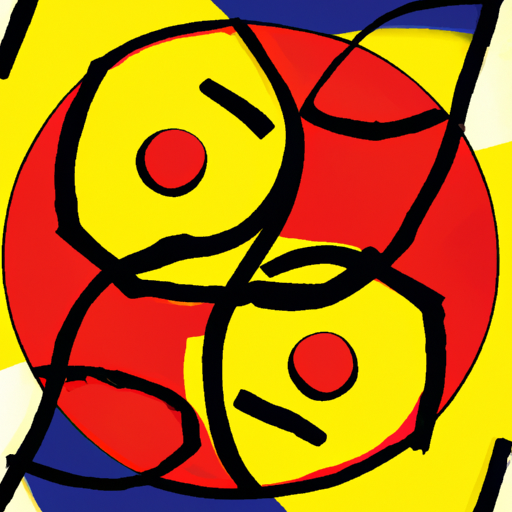
Example of visual style of Adolph Gottlieb

Adolph Gottlieb

Adolph Gottlieb was an American abstract expressionist painter known for his pictographic style. He gained prominence in the 1950s with his series called 'Pictographs', which consisted of simple, iconic symbols on large canvases. Gottlieb's artwork is characterized by bold, colorful shapes and a sense of primal energy. His use of abstract forms and symbols evokes a sense of mystery and invites interpretation. Gottlieb's work became famous for its inventive combination of abstraction and representation, and it played a significant role in the development of American modern art.

View StyleExplore Style

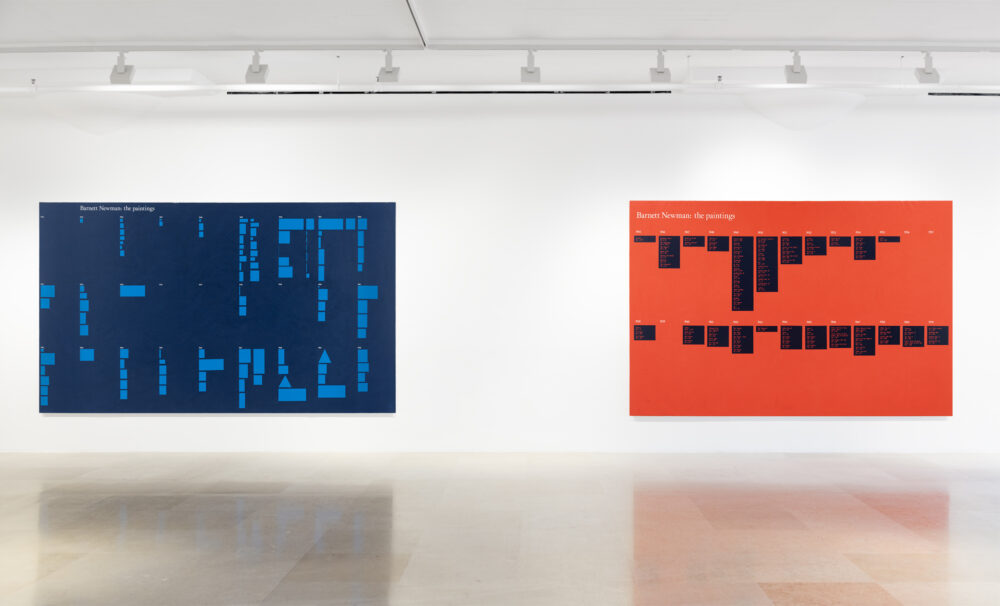
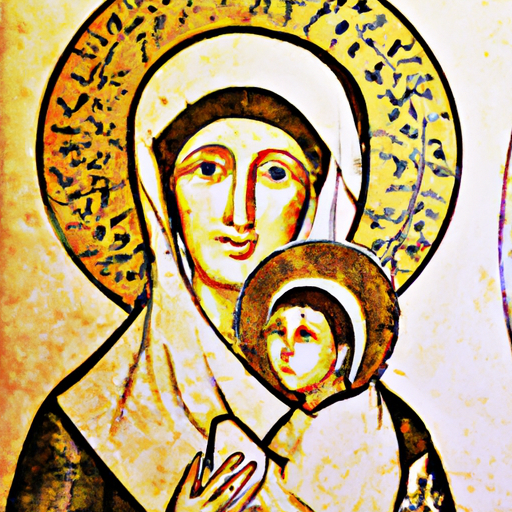
Example of visual style of Fine Art

Fine Art

Fine Art is a style of visual art that emerged during the Renaissance in the 14th century and continues to the present day. It encompasses a wide range of artistic expressions, including painting, sculpture, printmaking, and drawing. Fine Art is characterized by its emphasis on aesthetic and intellectual qualities rather than practical or utilitarian concerns. It is often associated with the pursuit of beauty, creativity, and self-expression. Some famous fine art movements include the Renaissance, Baroque, Impressionism, and Abstract Expressionism.

View StyleExplore Style
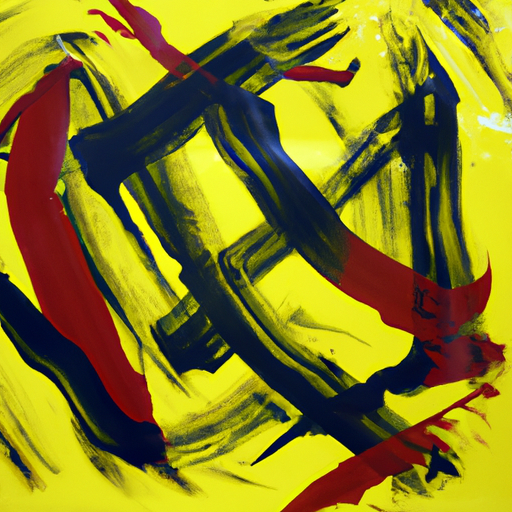
Example of visual style of Georges Mathieu

Georges Mathieu

Georges Mathieu was a French abstract expressionist painter who rose to prominence in the 1950s. His style was characterized by spontaneous and energetic brushwork, vibrant colors, and dynamic compositions. Mathieu believed in the 'lyrical abstraction' approach, where he aimed to express his emotions and capture the essence of the modern era. He gained fame for his live painting performances, where he would create large-scale canvases in front of audiences. Mathieu's works are known for their boldness, vitality, and his unique fusion of calligraphy and gestural painting.

View StyleExplore Style
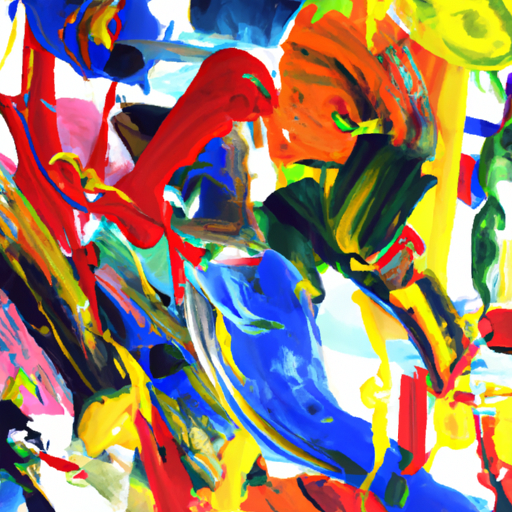
Example of visual style of Hans Hofmann

Hans Hofmann

Hans Hofmann was a German-born American painter who was influential in the development of Abstract Expressionism. He is known for his bold and colorful abstract compositions which combine Cubist principles with the energetic brushwork and spontaneity of Expressionism. Hofmann's style evolved over the years, with his earliest work reflecting a more figurative approach before embracing complete abstraction. He gained recognition in the 1950s and 1960s for his innovative use of color and his ability to convey a sense of movement and depth on the canvas.

View StyleExplore Style
Example of visual style of Helen Frankenthaler

Helen Frankenthaler

Helen Frankenthaler was an influential American abstract expressionist painter. She rose to prominence in the 1950s and 1960s with her innovative 'soak-stain' technique, which involved pouring thinned paint onto unprimed canvas, allowing it to soak into the fabric and create a vibrant, fluid effect. Her work is characterized by bold, expressive brushwork, translucent layers of color, and a sense of spontaneity and freedom. Frankenthaler's style played a pivotal role in the development of abstract expressionism, and she is often associated with the color field painting movement.

View StyleExplore Style
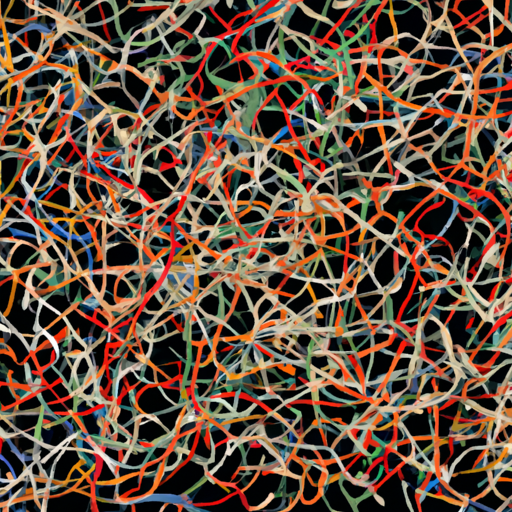
Example of visual style of Jackson Pollock

Jackson Pollock

Jackson Pollock was an American painter known for his unique style of abstract expressionism. He rose to fame in the late 1940s and early 1950s for his revolutionary and controversial 'drip painting' technique. Using his signature method of pouring and dripping paint onto canvases, Pollock created vibrant and chaotic compositions that were free from traditional rules of representation. His artistic approach emphasized the physical act of painting itself, with an emphasis on gesture, movement, and spontaneity. Pollock's works captured the essence of the postwar era and challenged the conventional notions of art, influencing generations of artists to come.

View StyleExplore Style
Example of visual style of Joan Mitchell

Joan Mitchell

Joan Mitchell was an abstract expressionist painter known for her large-scale vibrant paintings. Her style emerged in the 1950s, during the peak of abstract expressionism, and continued to evolve throughout her career. Mitchell's works are characterized by bold, energetic brushstrokes, vibrant colors, and an emphasis on gestural abstraction. She often drew inspiration from nature, particularly landscapes, and her paintings convey a sense of movement and emotional intensity. Mitchell's unique approach to abstract expressionism made her a prominent figure in the art world and she remains one of the most celebrated female painters of her time.

View StyleExplore Style
Example of visual style of Kenneth Noland

Kenneth Noland

Kenneth Noland was an American abstract painter known for his color field paintings. He was prominent during the 1960s and 1970s. Noland's famous works were characterized by large, flat areas of color and simplified geometric shapes. His paintings were significant in the development of color field painting as a distinct style, which emphasized the power of color and shape. Noland's innovative use of color and his exploration of spatial relationships made him one of the key figures of the abstract expressionism movement.

View StyleExplore Style
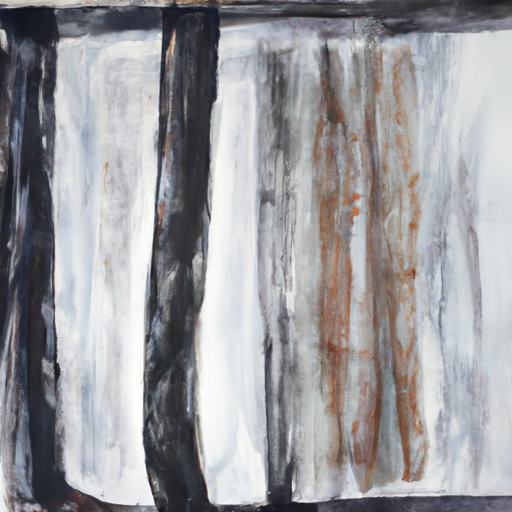
Example of visual style of Lee Krasner

Lee Krasner

Lee Krasner was an American abstract expressionist artist known for her unique visual style characterized by bold gestural brushwork, vibrant colors, and expressive compositions. Her style emerged in the late 1940s and continued throughout her career until her death in 1984. Krasner's work gained recognition for its energy and emotional intensity, drawing inspiration from her personal experiences and inner struggles. She was famous for incorporating elements of cubism and surrealism into her abstract paintings, creating a dynamic visual language that challenged traditional notions of representation. Krasner's innovative techniques and pioneering spirit made her a key figure in the development of abstract expressionism.

View StyleExplore Style
Example of visual style of Morris Louis

Morris Louis

Morris Louis was an American abstract expressionist painter known for his color field paintings. His style emerged in the late 1950s and reached its peak in the 1960s. Louis became famous for his technique called 'stain painting', where he poured thin layers of paint onto unprimed canvas, allowing the colors to soak into the fabric. This created vibrant, translucent layers and blurred edges, giving his work a sense of movement and luminosity. His use of color and his emphasis on the physicality of paint brought him recognition as one of the leading figures of the Color Field movement.

View StyleExplore Style

Example of visual style of Per Kirkeby

Per Kirkeby

Per Kirkeby was a Danish painter, sculptor, and writer. His style, which emerged in the 1960s, can be described as a blend of abstract expressionism and architecture. Kirkeby's paintings often feature bold, gestural brushstrokes and a rich palette of earthy colors. He was deeply influenced by geological formations and landscapes, which he incorporated into his work. Kirkeby gained fame in the 1980s through his large-scale murals and sculptures that adorned public spaces. Known for his versatility, Kirkeby also experimented with various mediums such as printmaking, sculpture, and even poetry. His distinctive style and multidisciplinary approach made him a prominent figure in the contemporary art world.

View StyleExplore Style
Example of visual style of Robert Motherwell

Robert Motherwell

Robert Motherwell's visual style is characterized by his abstract expressionist paintings which were created from the 1940s to the 1990s. His works played a significant role in the Abstract Expressionism movement and made him one of the foremost American artists of his time. Motherwell's paintings often featured bold, geometric shapes, expressive brushwork, and a limited color palette. His use of black was particularly notable, as it created a sense of depth and contrast in his compositions. Motherwell's style became famous for its strong emotional impact and its ability to convey the complexity of human experience.

View StyleExplore Style
Example of visual style of Willem De Kooning

Willem De Kooning

Willem De Kooning was a Dutch-American abstract expressionist painter known for his energetic and expressive brushwork. His style emerged in the 1940s and continued to evolve throughout his career. De Kooning's work is characterized by gestural marks, bold use of color, and a dynamic sense of movement. He was known for his ability to combine abstraction and figuration, creating works that oscillated between recognizable forms and abstracted shapes. De Kooning gained fame for his series of Women paintings, which depicted abstracted female figures. His innovative approach to painting and his exploration of the human form made him one of the most influential artists of the 20th century.

View StyleExplore Style
Home