StylopediaStylopedia

Abstract styles on Stylopedia

A visual encyclopedia of abstract styles – use as prompt inspiration for Midjourney, Gemini, or ChatGPT AI when making abstract images

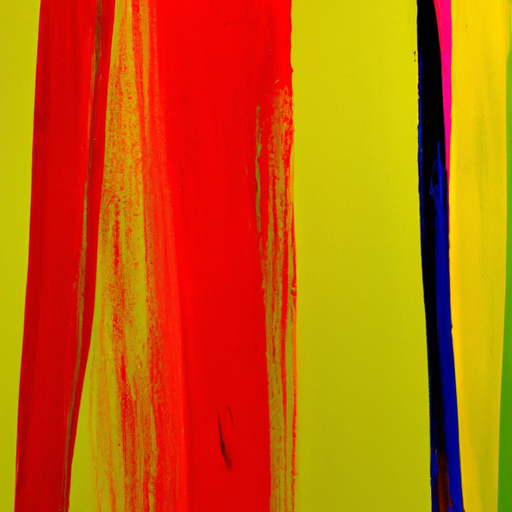
Example of visual style of Ad Reinhardt

Ad Reinhardt

Ad Reinhardt was an American abstract painter known for his minimalist black paintings. He became famous in the 1950s with his signature style characterized by geometric shapes and solid black fields. Reinhardt's work challenged the notion of painting as representation and emphasized the purity of form and color. His influential writings and teachings also made him a prominent figure in the art world. The style of Ad Reinhardt continues to be celebrated for its exploration of the limits of abstraction.

View StyleExplore Style
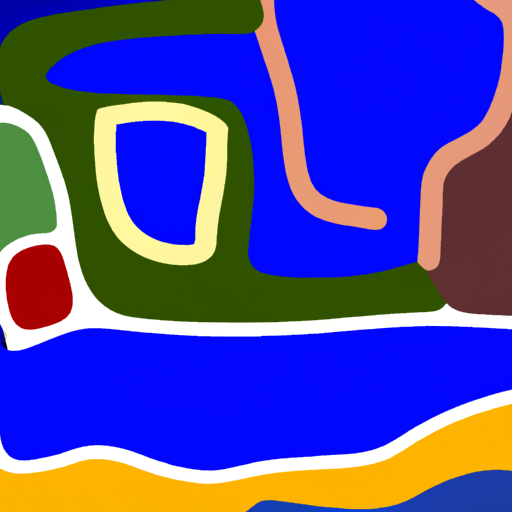
Example of visual style of Adventure Time

Adventure Time

Adventure Time is a visually distinct animated television series that aired from 2010 to 2018. It is famous for its unique, vibrant and surreal visuals, which combine bright and bold colors, geometric shapes, and abstract designs. The style incorporates a mix of 2D and 3D animation techniques to create a visually stunning and immersive world. Adventure Time gained fame for its quirky and imaginative characters, whimsical settings, and its ability to appeal to both children and adults, thus becoming a cult hit.

View StyleExplore Style
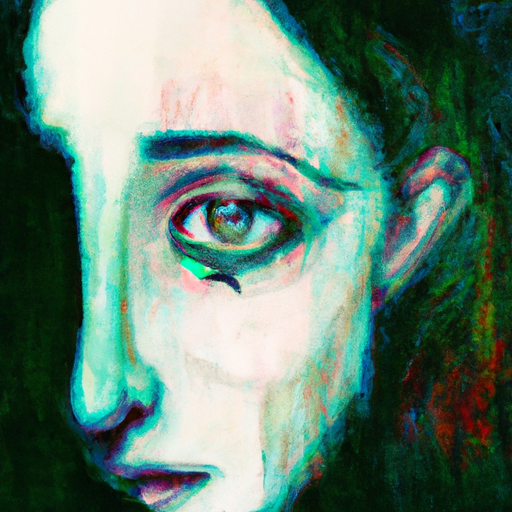
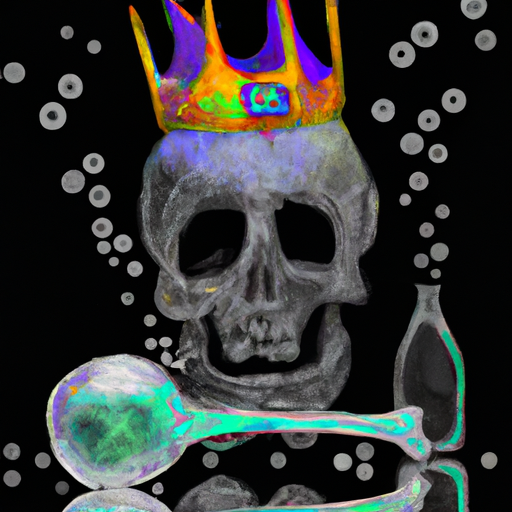
Example of visual style of Beksinski

Beksinski

Beksinski is a gothic and surrealist visual style that emerged in the late 20th century. It is named after the Polish artist Zdzislaw Beksinski, who gained prominence in the 1980s and 1990s. Beksinski's works are characterized by dark, atmospheric landscapes, abstract forms, and distorted figures. Known for his dystopian and apocalyptic themes, Beksinski's art often evokes feelings of melancholy and despair. His unique style combines elements of surrealism, expressionism, and fantasy, creating haunting and otherworldly imagery.

View StyleExplore Style
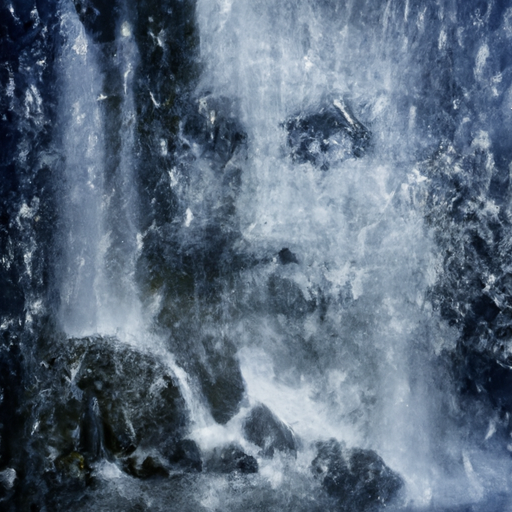
Example of visual style of Bill Sienkiewicz

Bill Sienkiewicz

Bill Sienkiewicz is a highly influential comic book artist known for his unique and experimental visual style. His style emerged in the 1980s and became highly prominent in the comic industry. Sienkiewicz's iconic work on Marvel's 'Elektra: Assassin' (1986) and 'Moon Knight' (1985-1986) paved the way for his fame. With his groundbreaking use of mixed media, bold brushwork, collage elements, and abstract techniques, Sienkiewicz revolutionized the comic book art form, blurring the lines between traditional illustration and fine art. His atmospheric and emotionally charged images are characterized by their dynamic energy, intense textures, and a distinct blend of realism and abstraction.

View StyleExplore Style
Example of visual style of Color Field Painting

Color Field Painting

Color Field Painting emerged in the late 1950s and became widely known in the 1960s. It is characterized by large fields of solid color that are applied in a smooth and even manner on the canvas, creating a sense of flatness. This style de-emphasizes the brushstrokes and focuses on the emotional and visual impact of color alone. The artists associated with this style sought to create a pure visual experience, exploring the relationships between color, form, and space. Prominent figures like Mark Rothko and Helen Frankenthaler played a crucial role in making Color Field Painting famous.

View StyleExplore Style

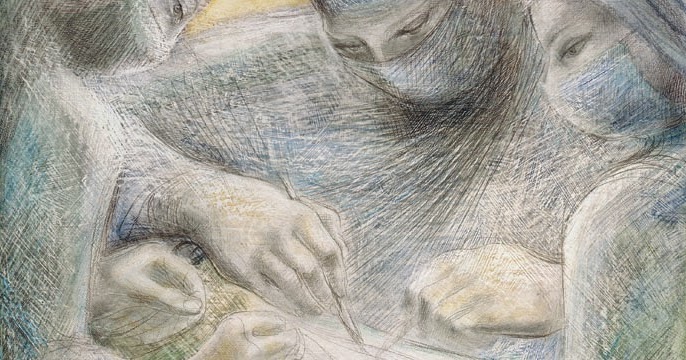
Example of visual style of Contemporary Figurative Art

Contemporary Figurative Art

Contemporary Figurative Art is a visual style that emerged in the late 20th century and continues to be relevant today. It focuses on representing the human figure in a more modern and abstract way, departing from traditional techniques and styles. This style gained popularity in the 1980s as artists started to reintroduce the figure into their work, using both realistic and abstract approaches. It became famous for its ability to convey emotions, narratives, and social commentary through the depiction of the human form.

View StyleExplore Style
Example of visual style of Craniodsgn

Craniodsgn

Craniodsgn is a highly abstract and futuristic visual style that emerged in the early 2000s. This style gained popularity for its avant-garde and unique designs, blending elements of geometric shapes, vibrant colors, and digital effects. The use of intricate patterns and fragmented compositions characterizes Craniodsgn. It is influenced by various art movements such as Op Art and Cubism. Craniodsgn became famous due to its association with digital art and its representation of the rapidly advancing technological era.

View StyleExplore Style

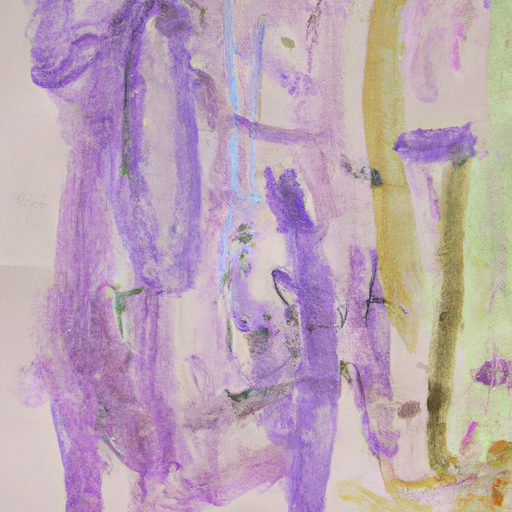
Example of visual style of Cy Twombly

Cy Twombly

Cy Twombly is a visual style characterized by abstract and gestural paintings. Born in 1928, Twombly emerged as a prominent artist in the 1950s and gained recognition for his expressive and calligraphic works. Twombly's style is known for its dynamic brushwork, scribbles, and drips, often combining elements of drawing and painting. His works are emotionally charged and full of lyricism, evoking a sense of spontaneity and raw creativity. Twombly's art became famous for its unique blend of graffiti-like mark-making and references to classical mythology. Throughout his career, he explored themes of love, sexuality, and the fragility of human existence. His style has influenced subsequent generations of artists.

View StyleExplore Style
Example of visual style of D Bridge

D Bridge

D Bridge is a visual style that emerged in the 1970s and gained popularity in the 1980s. It is characterized by its bold, geometric shapes, vibrant color schemes, and abstract designs. D Bridge became famous for its ability to combine elements of both modernism and minimalism, creating visually striking and dynamic compositions. The style reached its peak during the 1990s with the rise of digital design tools, which allowed for greater experimentation and innovation.

View StyleExplore Style
Home