
Apocalypse Now
Apocalypse Now is a visually stunning film directed by Francis Ford Coppola in 1979, famous for its intense and surreal imagery depicting the horrors of war in Vietnam.
View StyleExplore Style Stylopedia
A visual encyclopedia of War styles – use as prompt inspiration for Midjourney, Gemini, or ChatGPT AI when making War images
Apocalypse Now is a visually stunning film directed by Francis Ford Coppola in 1979, famous for its intense and surreal imagery depicting the horrors of war in Vietnam.
View StyleExplore Style
The Ashurbanipal style is a distinctive visual style that emerged during the reign of King Ashurbanipal of the Neo-Assyrian Empire (669-627 BCE). Known for its elaborate relief sculptures, intricate patterns, and depictions of war, hunting, and triumph, this style became famous for its grandeur and detailed craftsmanship.
View StyleExplore Style
Battle Picture Library was a popular British war comic published from 1961 to 1984. Known for its realistic and action-packed artwork, it depicted stories of heroes in intense combat situations.
View StyleExplore Style
Commando Comics is a classic British war comic style that originated in the 1960s. Known for its gritty, action-packed stories and iconic cover art, it became famous for its detailed illustrations and realistic portrayals of military life.
View StyleExplore Style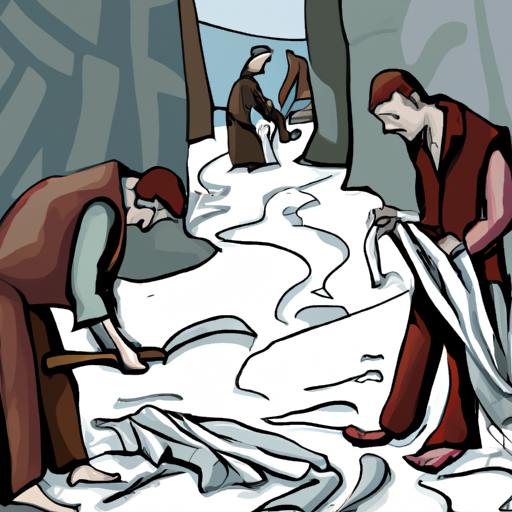
Jacques Tardi is a French comic book artist and writer known for his distinctive style of black and white illustrations. His work emerged in the 1970s and gained popularity in the 1980s. Tardi's art is characterized by its gritty and detailed nature, often depicting war, crime, and the dark side of society. His use of stark contrasts, intricate linework, and a limited color palette creates a visually striking and emotionally intense atmosphere in his comics. Tardi's works, such as 'Adèle Blanc-Sec' and 'It Was the War of the Trenches,' have become iconic in the world of graphic storytelling. His art and storytelling are renowned for their historical accuracy and social commentary on events like World War I and the impact of war on individuals.
View StyleExplore Style
James Nachtwey's visual style is characterized by gritty black and white photojournalism capturing the raw emotions of war, conflict, and social issues. His work gained fame in the late 20th and early 21st centuries for its powerful and haunting imagery.
View StyleExplore Style
Lida Abdul's visual style is characterized by minimalist, haunting, and meditative works that explore themes of war, displacement, and memory. Her use of video installations and performance art gained recognition in the early 2000s, capturing the attention of the international art world.
View StyleExplore Style
Makoto Aida is a contemporary Japanese artist known for his provocative and satirical artworks. His style emerged in the 1990s and gained fame for its bold, often disturbing, and socially critical visual language. Aida's works are characterized by their intricate detail, vibrant colors, and a combination of traditional Japanese techniques and modern pop culture references. His art often explores themes of war, consumerism, sexuality, and the darker aspects of society. Aida gained international recognition with his series 'Monument for Nothing,' exhibited in 2000 at the Yokohama Triennale. This series depicted disturbing scenes of war, violence, and destruction, challenging traditional notions of history and power.
View StyleExplore Style
Martha Gellhorn's visual style is characterized by a blend of photojournalism and documentary photography. Active in the mid-20th century, Gellhorn's work captured the harsh realities of war and human suffering, often focusing on the individual stories behind the headlines.
View StyleExplore Style
Martha Rosler is a visual artist known for her politically-charged multimedia works. Her style emerged in the late1960s and early 1970s during the rise of feminist and political art movements. Rosler gained fame for her thought-provoking photo-text collages, performance art, and video installations that critiqued social and political issues, including consumer culture, war, gender roles, and domesticity.
View StyleExplore Style
Mobile Suit Gundam is a Japanese mecha anime series created by Yoshiyuki Tomino. It was first aired in 1979 and quickly gained popularity for revolutionizing the mecha genre. The visual style of Mobile Suit Gundam is characterized by its detailed and realistic mechanical designs, vibrant color palettes, and dynamic action sequences. It became famous for introducing a more mature and gritty take on mecha storytelling, focusing on the moral complexities of war and the psychological struggles of its characters.
View StyleExplore Style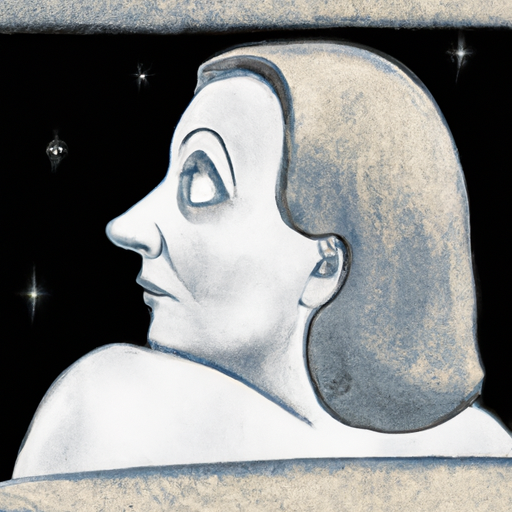
Otto Dix was a German painter and printmaker who is known for his realistic and sometimes grotesque portrayal of society during the Weimar Republic period in Germany. Active from the 1910s to the 1960s, Dix's visual style is characterized by its sharp lines, exaggerated forms, and dark palette. He often depicted scenes of war, poverty, and the decadence of post-war society, capturing the disillusionment and decay of the time. Dix's work gained fame for its social criticism and provocative subject matter.
View StyleExplore Style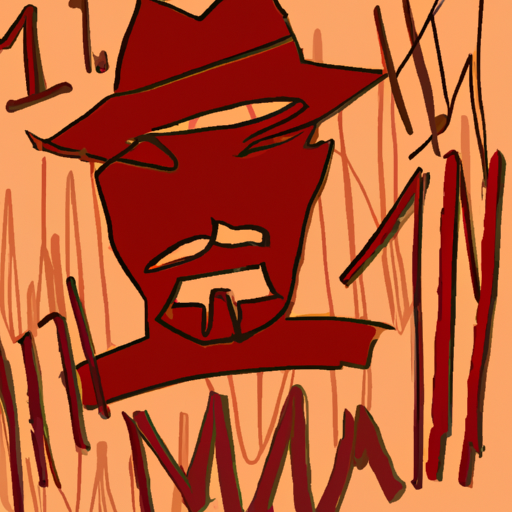
Sgt Rock is a gritty and realistic visual style that emerged in the 1960s in DC Comics. It is known for its detailed and dark artwork, often depicting the harsh realities of war.
View StyleExplore Style
The Hurt Locker is known for its gritty and realistic portrayal of war, characterized by handheld camera work, desaturated colors, and an emphasis on the chaotic and intense emotions of soldiers in combat. This style gained recognition for its authenticity and immersive storytelling in the mid-2000s.
View StyleExplore Style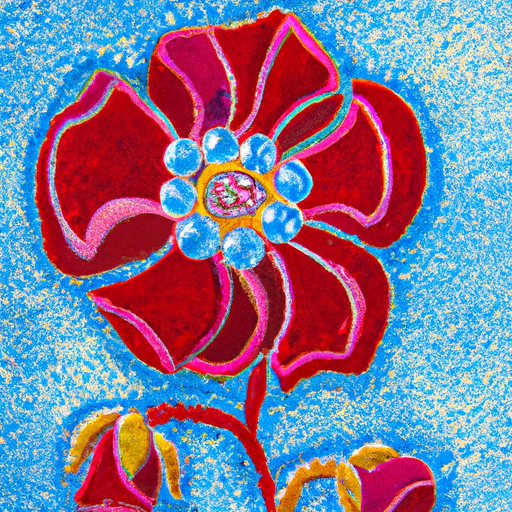
Tiffany Chung is a contemporary visual artist known for her intricate and thought-provoking mixed media installations. Her work explores themes of conflict, migration, and urbanization, particularly focusing on the impact of war and globalization on cities and communities. Chung's style combines cartographic imagery, architectural elements, and historical references to create visually stunning and intellectually engaging artworks. She rose to prominence in the early 2010s for her impactful series 'War Remnants' and 'The Vietnam Exodus' which examined the Vietnam War and its aftermath. Chung's attention to detail and meticulous craftsmanship have made her work highly regarded in the art world.
View StyleExplore Style
World War II Art was characterized by its depictions of the harsh realities and emotions of war, often through a mix of realistic and abstract styles. Artists captured the devastation, heroism, and human suffering of the era, often focusing on propaganda and patriotism. This style was prominent during the years 1939-1945 and gained recognition for its powerful and emotive imagery.
View StyleExplore Style