StylopediaStylopedia

Victorian styles on Stylopedia

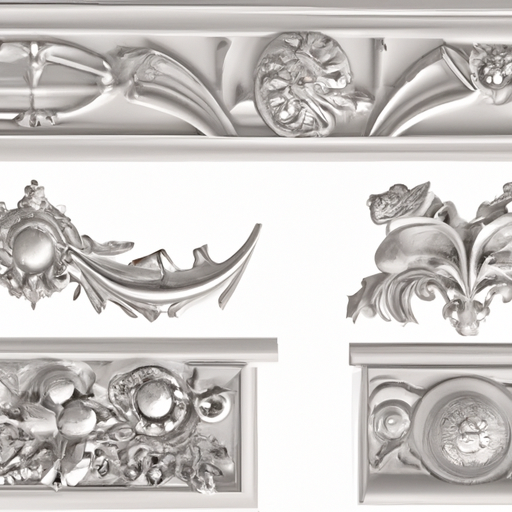
A visual encyclopedia of Victorian styles – use as prompt inspiration for Midjourney, Gemini, or ChatGPT AI when making Victorian images

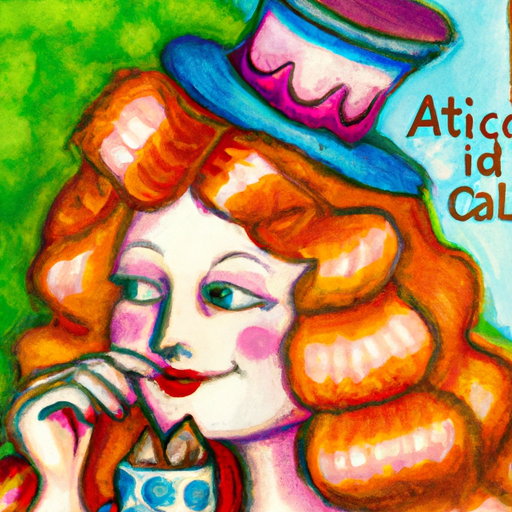
Example of visual style of Alice In Wonderland

Alice In Wonderland

Alice In Wonderland is a whimsical and fantastical visual style that gained popularity in the mid-19th century. It became famous through Lewis Carroll's novel 'Alice's Adventures in Wonderland' and its subsequent adaptations. This style is characterized by surreal and exaggerated elements, vivid and vibrant colors, anthropomorphic creatures, intricate patterns, and a sense of playfulness. It is inspired by the Victorian era and often incorporates elements of fantasy and imagination.

View StyleExplore Style
Example of visual style of Charles Barry

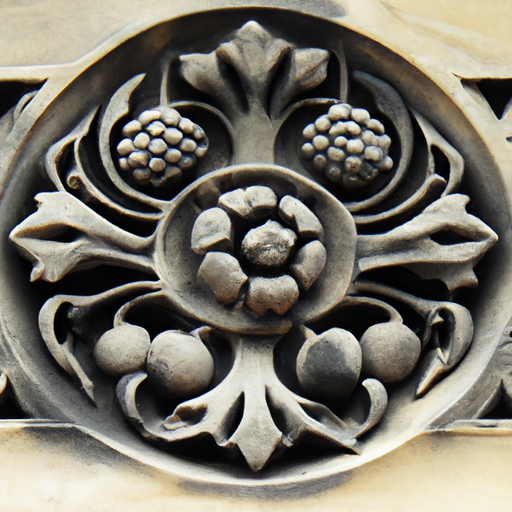
Charles Barry

Charles Barry was a prominent British architect known for his work in the 19th century. He was famous particularly for his neoclassical and Gothic Revival designs. His most notable project was the rebuilding of the Houses of Parliament in London, completed in 1870. Barry's style blended classical elements with intricate Gothic details, creating grand and imposing structures. His works embodied Victorian architectural ideals and played a significant role in shaping the architectural landscape of the era.

View StyleExplore Style
Example of visual style of Edward Burne Jones

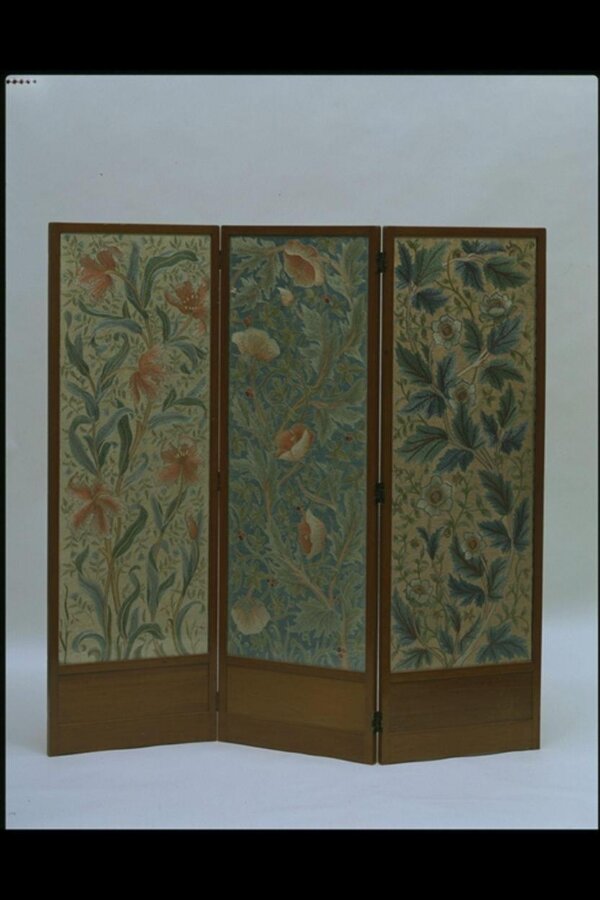
Edward Burne Jones

Edward Burne Jones was an English artist and designer associated with the Pre-Raphaelite movement. He is known for his intricate and detailed illustrations, paintings, and stained glass designs. Active during the Victorian era in the late 19th and early 20th centuries, his work is characterized by romantic and mythological themes, vibrant colors, and a focus on beauty and idealized figures. Burne Jones' exquisite attention to detail and use of symbolism made him famous as one of the leading figures in the Pre-Raphaelite movement.

View StyleExplore Style
Example of visual style of Edward Gorey

Edward Gorey

Edward Gorey is famous for his distinctive black and white pen-and-ink illustrations. His style emerged in the mid-20th century and is known for its macabre and whimsical themes, often depicting mysterious narratives with a Victorian and Gothic influence. Gorey's work gained popularity through his book illustrations, notably 'The Gashlycrumb Tinies' (1963), which features darkly humorous rhymes about the untimely deaths of children. His detailed cross-hatched drawings and uncanny characters have made his style instantly recognizable and influential in the field of dark humor and Gothic art.

View StyleExplore Style
Example of visual style of Gothic Fashion

Gothic Fashion

Gothic Fashion emerged in the late 1970s and became popular in the 1980s and 1990s. It is characterized by its dark and dramatic aesthetic, drawing inspiration from medieval and Victorian fashion. This style is famous for its use of black clothing, corsets, lace, leather, and metal accents. Gothic Fashion gained attention through its association with subcultures like goth and punk, as well as the influence of prominent designers like Alexander McQueen and Vivienne Westwood.

View StyleExplore Style
Example of visual style of H G Wells

H G Wells

H G Wells is a visual style that was popular during the late 19th and early 20th centuries. It is named after the British author Herbert George Wells, who is famous for his science fiction novels. The visual style is characterized by a combination of Victorian and futuristic elements. It often includes intricate details, ornate designs, and an air of mystery. H G Wells style became famous through the illustrations and book covers of Wells' own novels, as well as the visual representation of his visions of the future.

View StyleExplore Style
Example of visual style of John Tenniel

John Tenniel

John Tenniel was an English illustrator and artist, known for his distinctive visual style that emerged during the Victorian era. He gained fame for his illustrations in Lewis Carroll's "Alice's Adventures in Wonderland" and "Through the Looking-Glass" which were published in 1865 and 1871, respectively. Tenniel's style combined highly detailed and realistic drawings with whimsical, fantastical elements, creating a unique and recognizable aesthetic that became synonymous with Carroll's iconic stories.

View StyleExplore Style
Example of visual style of Jules Verne

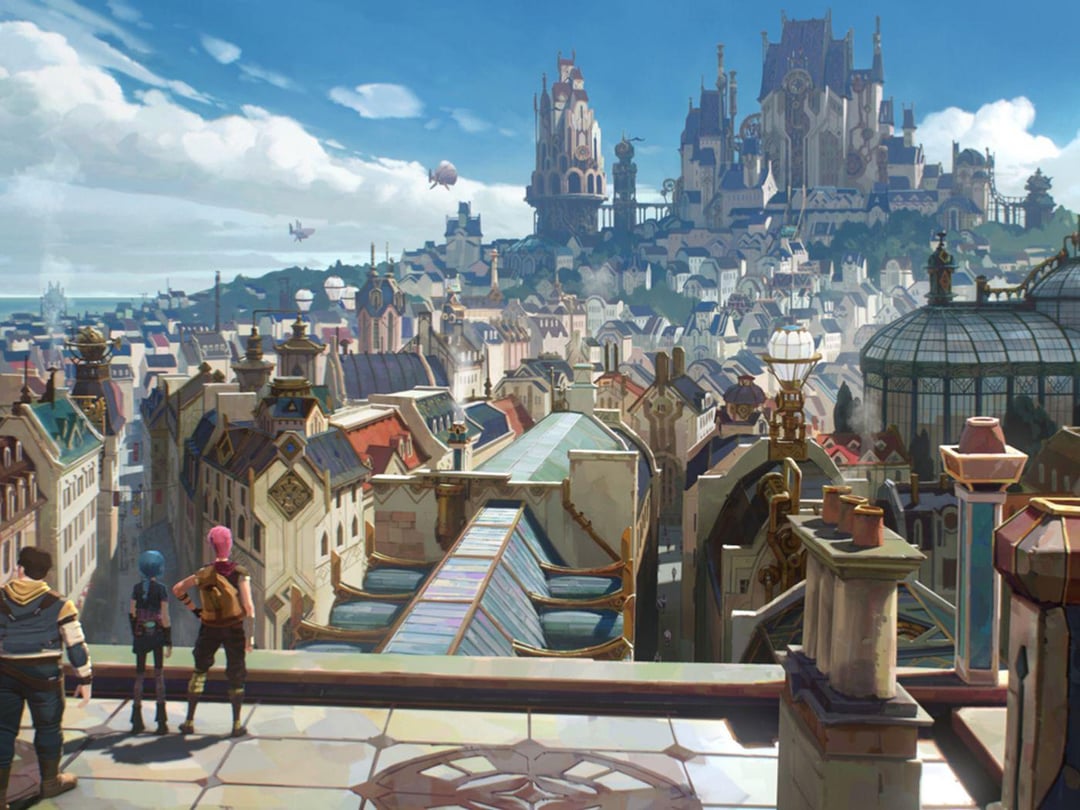
Jules Verne

The Jules Verne visual style, inspired by the 19th-century French author, is characterized by a blend of Victorian aesthetics and futuristic technology. Popularized during the late 1800s, this style gained fame through Verne's science fiction novels, which depicted imaginative advancements in technology and exploration. The Jules Verne visual style combines lavish Victorian architecture, ornate details, revivals of historical styles, and futuristic elements, creating a world of adventure and fantasy.

View StyleExplore Style
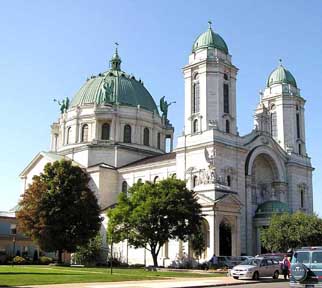
Example of visual style of Neo Gothic

Neo Gothic

Neo Gothic is a visual style that emerged in the late 19th century and reached its peak in popularity during the late Victorian and Edwardian eras (1880-1910). It is a revival and reinterpretation of the original Gothic style that was prominent in the medieval period. Neo Gothic became famous for its use of intricate ornamental details, pointed arches, steep gables, and grandiose proportions. The architectural movement of Gothic Revival in the mid-18th century laid the foundation for the Neo Gothic style, but it was further popularized through the works of influential architects, such as Augustus Pugin and Charles Barry, who designed iconic structures like the British Houses of Parliament, commonly known as the 'Big Ben' clock tower. The Neo Gothic style represents a nostalgic fascination with the medieval past and continues to remain influential in designing churches, cathedrals, and other significant structures.

View StyleExplore Style
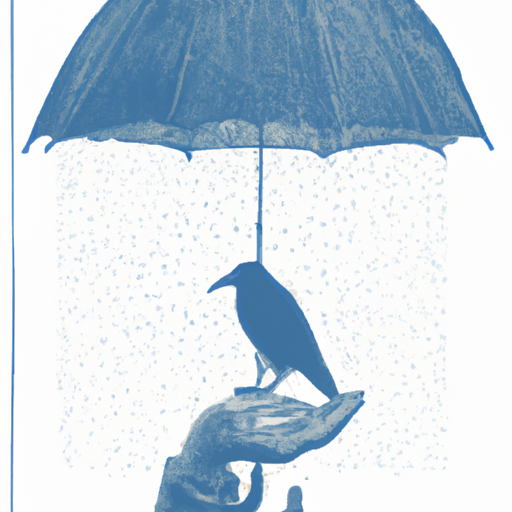
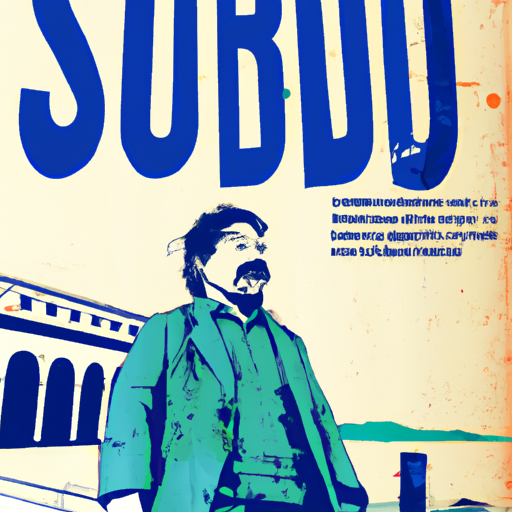
Example of visual style of Oscar Wilde

Oscar Wilde

The Oscar Wilde style is a visual style inspired by the aesthetics of the late 19th-century English writer and poet, Oscar Wilde. It gained popularity in the late Victorian era, particularly during the 1880s and 1890s. This style is known for its luxurious, opulent, and flamboyant characteristics, as well as its emphasis on decadence, ornamentation, and sophistication. It is reminiscent of the Victorian era and the Aesthetic Movement that Wilde was associated with in his time. The Oscar Wilde style became famous for its rich and colorful palettes, intricate patterns, lavish textiles, and ornate details, which were often combined with a sense of wit and theatricality.

View StyleExplore Style
Example of visual style of Victorian Revival

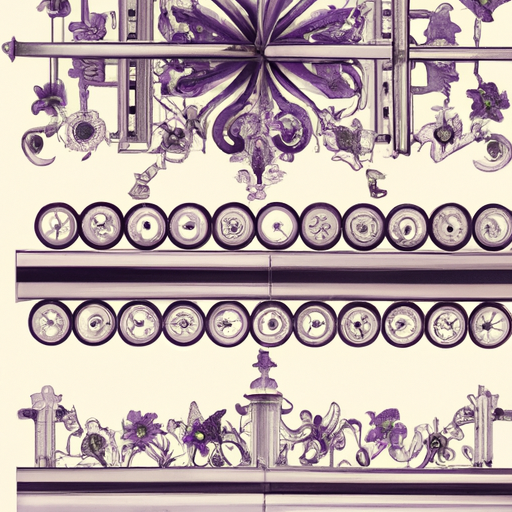
Victorian Revival

Victorian Revival is a design style that emerged in the late 19th and early 20th centuries, seeking to revive the aesthetics of the Victorian era (1837-1901). This style gained popularity during the late 19th century as a reaction against the industrialization and rapid social changes of the time. The Victorian Revival style is characterized by ornate and elaborate detailing, incorporating intricate patterns, decorative motifs, and a sense of grandeur. It became famous for its focus on nostalgia, historical references, and a desire to rekindle the beauty and elegance of the past.

View StyleExplore Style
Example of visual style of Victorian Science Fiction

Victorian Science Fiction

Victorian Science Fiction is a visual style that emerged during the Victorian era in the 19th century. It combines the aesthetics of the Victorian era with elements of science fiction, creating a unique blend of futuristic technology and Victorian charm. This style became famous through the works of Jules Verne and H.G. Wells, who popularized the concept of exploring new worlds and technologies in their novels. The Victorian Science Fiction style is characterized by intricate details, ornate designs, steam-powered machinery, and fantastical inventions.

View StyleExplore Style
Home