
StylopediaStylopedia

Transformation styles on Stylopedia

A visual encyclopedia of Transformation styles – use as prompt inspiration for Midjourney, Gemini, or ChatGPT AI when making Transformation images

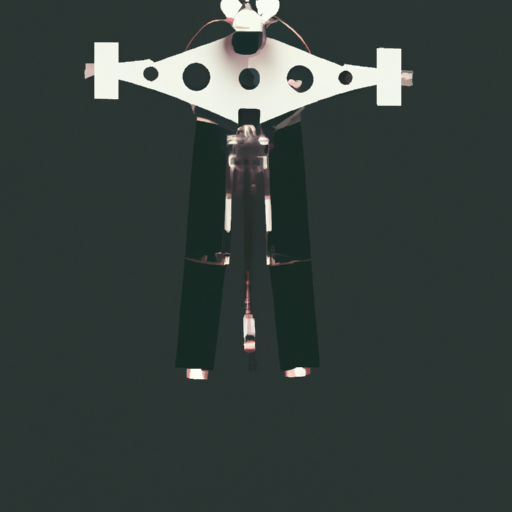
Example of visual style of Biomechanical Art

Biomechanical Art

Biomechanical Art is a visual style that emerged in the late 1970s and gained fame and recognition in the 1980s. It combines elements of organic and mechanical imagery to create surreal and often disturbing artworks. The style became famous through the works of Swiss artist H.R. Giger, who introduced his biomechanical designs in the sci-fi horror film 'Alien'. Biomechanical Art is characterized by intricate and detailed depictions of biomechanical creatures, merging human and machine, exploring themes of transformation, sexuality, and a dystopian future.

View StyleExplore Style

Example of visual style of Doug Jones

Doug Jones

Doug Jones is not a visual style, but rather an actor known for his unique and diverse character portrayals. Starting in the early 1980s, Doug Jones gained fame for his captivating performances in various roles which required heavy makeup, prosthetics, and physical transformations. His ability to bring life to fantastical creatures and otherworldly beings has made him a beloved figure in the realm of film and television. With his expressive movements and exceptional body control, Doug Jones has become an iconic figure in the world of visual effects and creature performance.

View StyleExplore Style
Example of visual style of John Chambers

John Chambers

John Chambers is a visual style that emerged in the late 1960s and gained popularity in the 1970s. It is named after John Chambers, an iconic Hollywood makeup artist known for his groundbreaking work in film and television. This style transformed the way characters were visually portrayed on screen, using intricate prosthetics, masks, and special effects makeup to create lifelike and extraordinary appearances. Chambers revolutionized the industry through his innovative techniques and created iconic looks in movies like 'Planet of the Apes' (1968) and 'Star Trek: The Motion Picture' (1979), which made this style famous.

View StyleExplore Style
Example of visual style of Raymond Hains

Raymond Hains

Raymond Hains was a French artist known for his exploration of décollage, a technique of removing or partially tearing away existing posters to create new collages. Active from the 1950s to the early 2000s, Hains gained recognition for his innovative approach to street art and his ability to transform urban detritus into unique visual compositions. His work became famous for its ability to challenge and question the boundaries of traditional artistic practices.

View StyleExplore Style
Home