StylopediaStylopedia

Technicolor styles on Stylopedia

A visual encyclopedia of Technicolor styles – use as prompt inspiration for Midjourney, Gemini, or ChatGPT AI when making Technicolor images

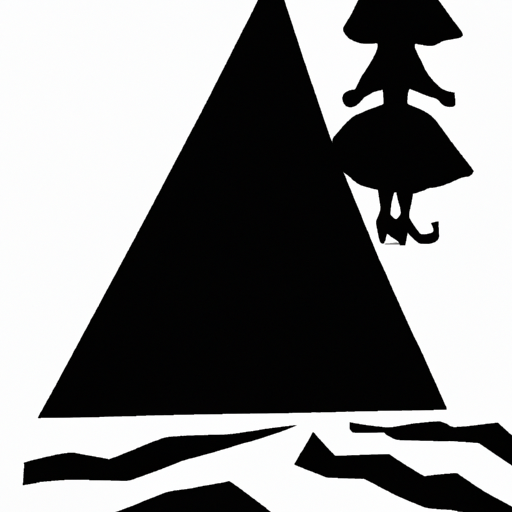
Example of visual style of Classic Hollywood Style

Classic Hollywood Style

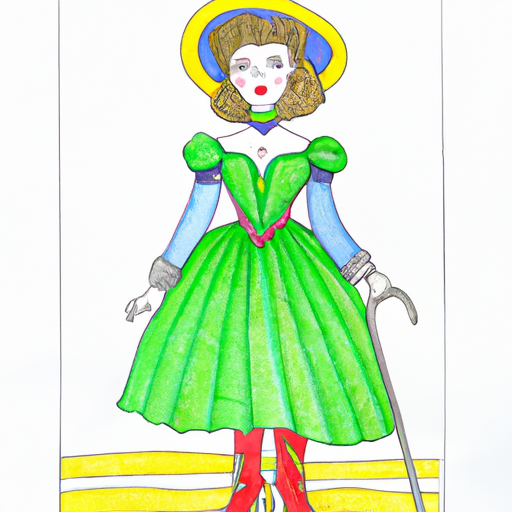
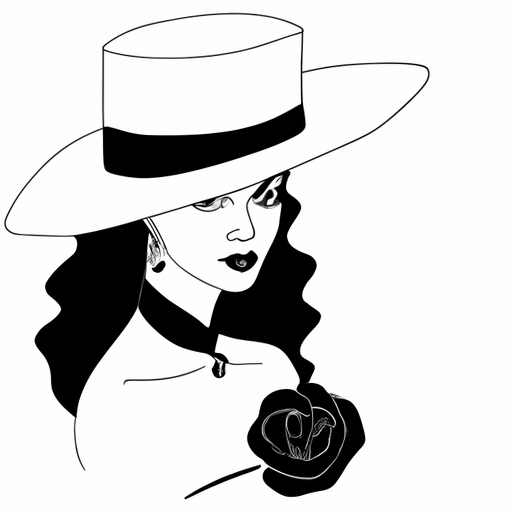
The Classic Hollywood Style refers to the visual aesthetic and filmmaking techniques prevalent in Hollywood from the 1920s to the 1960s. This style was characterized by glamour, elegance, and larger-than-life storytelling. It became famous for its use of vibrant Technicolor, dramatic lighting, lavish costumes, and opulent sets. The Classic Hollywood Style reached its peak during the Golden Age of Hollywood, from the 1930s to the 1950s, when films like 'Gone with the Wind' and 'Casablanca' captivated audiences worldwide.

View StyleExplore Style
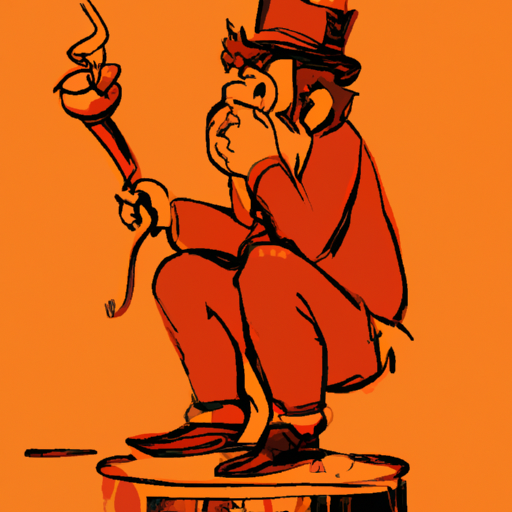
Example of visual style of Dave Fleischer

Dave Fleischer

Dave Fleischer was an American animator and film director who is best known for his work in the 1930s and 1940s. His visual style, known as the 'Fleischer style,' was characterized by bold, exaggerated characters, vibrant and fluid animations, and a highly stylized approach to storytelling. Fleischer and his studio, Fleischer Studios, gained fame for their innovative use of Technicolor, which brought their animated films to life with vivid and dynamic colors. The Fleischer style became famous for its distinct blend of humor, whimsy, and captivating visuals that entertained audiences of all ages.

View StyleExplore Style
Example of visual style of Golden Age Of American Animation

Golden Age Of American Animation

The Golden Age of American Animation refers to the period between the 1920s and 1960s when animation in the United States experienced a significant rise in quality and popularity. During this era, animation studios like Walt Disney Productions, Warner Bros. Cartoons, and MGM produced iconic cartoon characters and films that became cultural phenomena. The use of Technicolor, intricate hand-drawn animation, and the development of synchronized sound were key factors that contributed to the success and fame of this style.

View StyleExplore Style
Example of visual style of Mgm

Mgm

Mgm, short for Metro-Goldwyn-Mayer, is a visual style that emerged in the 1920s and remained influential till the late 1950s. It is known for its grandeur and opulence, characterized by lavish sets, glamorous costumes, and high production values. Mgm pioneered the use of Technicolor in film, which added vibrant colors and enhanced the visual experience. This style became famous for its iconic musicals, such as 'Singin' in the Rain' (1952) and 'The Wizard of Oz' (1939), as well as its epic historical dramas like 'Ben-Hur' (1959) and 'Gone with the Wind' (1939).

View StyleExplore Style
Example of visual style of Stanley Donen

Stanley Donen

Stanley Donen was a prolific American film director and choreographer known for his visually striking and energetic style. He rose to fame during the 1950s and 1960s, a period often referred to as the 'Golden Age' of Hollywood musicals. Donen's films were famous for their innovative dance sequences, vibrant color palettes, and dynamic camera movements. He embraced the use of Technicolor and CinemaScope, creating visually stunning and larger-than-life spectacles that captured the essence of the era. Donen's style combined elements of romance, comedy, and music, resulting in a delightful and enchanting visual experience.

View StyleExplore Style
Example of visual style of The Wizard Of Oz

The Wizard Of Oz

The visual style of 'The Wizard Of Oz' is characterized by vivid and vibrant colors, fantastical elements, and a mix of reality and fantasy. This style became famous in the year 1939, when the movie was released as a Technicolor musical. The use of Technicolor brought a stunning and breathtaking visual experience to the screen. The combination of the bright and bold colors, intricate set designs, and imaginative costumes made 'The Wizard Of Oz' a groundbreaking and visually iconic film.

View StyleExplore Style
Home