StylopediaStylopedia

Simplicity styles on Stylopedia

A visual encyclopedia of Simplicity styles – use as prompt inspiration for Midjourney, Gemini, or ChatGPT AI when making Simplicity images

Example of visual style of Aesthetic Movement

Aesthetic Movement

The Aesthetic Movement was an art and design movement that emerged in the late 19th century, particularly in Britain and the United States, and reached its peak between 1868 and 1890. It was a reaction against the industrialization and mass production of the Victorian era, emphasizing the importance of beauty and art for art's sake. The movement aimed to create a visual style that focused on simplicity, harmony, and decorative arts. It became famous for its use of natural motifs, Japanese influence, and the integration of different art forms like painting, sculpture, and interior design.

View StyleExplore Style
Example of visual style of Arts And Crafts

Arts And Crafts

Arts and Crafts is a style that emerged in the late 19th century in Britain and gained popularity in the early 20th century. It was a reaction against industrialization and emphasized craftsmanship, traditional techniques, and natural materials. This style was made famous by influential designers and architects like William Morris, Charles Rennie Mackintosh, and Gustav Stickley. It was characterized by intricate patterns, handcrafted furniture, simple forms, and a focus on the beauty of natural materials.

View StyleExplore Style
Example of visual style of Bart Van Der Leck

Bart Van Der Leck

Bart Van Der Leck was a Dutch painter and designer known for co-founding the art movement 'De Stijl' (The Style) in 1917. His style is characterized by the use of bold, geometric forms and primary colors. He played a significant role in the development of abstract art and shaped the visual language of the De Stijl movement. Van Der Leck's work became famous for its simplicity and emphasis on basic elements, portraying a harmonious balance between color and form.

View StyleExplore Style
Example of visual style of Bauhaus Movement

Bauhaus Movement

The Bauhaus Movement was a revolutionary art and design movement that emerged in Germany during the early 20th century. Founded in 1919 by architect Walter Gropius, the Bauhaus aimed to unite fine arts, craftsmanship, and industrial design. It became famous for its interdisciplinary approach, combining elements of modernism, functionalism, and the fine arts. The movement stressed the importance of simplicity, functionality, and the use of geometric forms. The Bauhaus had a significant impact on architecture, graphic design, typography, furniture design, and the overall visual culture. It was active until 1933 when it was shut down by the Nazis for its perceived radicalism.

View StyleExplore Style
Example of visual style of Bauhaus School

Bauhaus School

The Bauhaus School was a renowned German art and design school that operated from 1919 to 1933. It became famous for its innovative approach to art, craft, and design education. Founded by architect Walter Gropius, the school aimed to unify art, craftsmanship, and technology. The style emphasized functionalism, simplicity, geometric forms, and the use of industrial materials. The integration of art and industry was a key principle of the Bauhaus, impacting architecture, typography, furniture design, and more.

View StyleExplore Style
Example of visual style of Charles Rennie Mackintosh

Charles Rennie Mackintosh

Charles Rennie Mackintosh was a Scottish architect, artist, and designer who was active in the late 19th and early 20th centuries. He is well-known for his unique and influential style that combined elements of Art Nouveau and Japanese design with Scottish architecture. Mackintosh's style became famous for its emphasis on simplicity, geometric forms, and incorporation of natural motifs. His works, which included buildings, furniture, and decorative objects, were highly innovative and often featured clean lines, floral patterns, and the use of materials such as glass and iron. Mackintosh's designs had a lasting impact and helped shape the development of modern architecture and design.

View StyleExplore Style
Example of visual style of Charlie Brown

Charlie Brown

The visual style of Charlie Brown is a simplistic and minimalistic art style characterized by its hand-drawn, black and white comic strip aesthetic. This style was made famous through the popular comic strip 'Peanuts' created by Charles M. Schulz. Running from 1950 to 2000, 'Peanuts' explored the everyday lives and musings of a group of young children, with Charlie Brown as the central character. The distinctive visual style of 'Charlie Brown' became iconic and instantly recognizable, capturing the essence of childhood innocence and introspection.

View StyleExplore Style
Example of visual style of Craft Design

Craft Design

Craft Design, also known as Arts and Crafts movement, emerged in the late 19th century and gained significant popularity until the early 20th century. It was a reaction against the industrialization and mass production of goods, emphasizing handcrafted items and traditional craftsmanship. This design style was famous for its emphasis on simplicity, quality materials, and attention to detail. Through its focus on the revival of traditional techniques and the integration of nature motifs, Craft Design aimed to bring art and beauty to everyday objects.

View StyleExplore Style
Example of visual style of Danish Design

Danish Design

Danish Design refers to the design aesthetic that emerged in Denmark in the early 20th century and gained international recognition in the mid-20th century. Characterized by simplicity, functionality, and elegance, Danish Design beautifully combines form and function. It became famous in the 1950s and 1960s through the works of renowned Danish designers such as Arne Jacobsen and Hans Wegner, who introduced modernist principles and organic forms into furniture and product design.

View StyleExplore Style
Example of visual style of De Stijl Movement

De Stijl Movement

De Stijl Movement, also known as Neoplasticism, emerged in the early 20th century in the Netherlands. It was founded in 1917 by Theo van Doesburg, Piet Mondrian, and Bart van der Leck. This style aimed to achieve a universal visual language by reducing art to its most basic elements of geometric shapes and primary colors. The movement believed in a harmonious integration of art and life, with a focus on simplicity, precision, and abstraction. De Stijl became famous for its use of vertical and horizontal lines, primary colors, and a limited palette of black, white, and gray. The movement had a profound influence on architecture, design, and visual arts, paving the way for modernism.

View StyleExplore Style
Example of visual style of Designers

Designers

Designers is a visual style that emerged in the early 1920s and became prominent in the post-World War II era. It is characterized by its sleek and minimalist design, focusing on functionality and form. Designers prioritized simplicity, geometric shapes, and clean lines, reflecting the influence of modernist principles. This style gained fame through renowned designers such as Dieter Rams, Charles Eames, and Ettore Sottsass, who elevated the concept of design as a holistic approach encompassing various disciplines. Designers revolutionized industries such as furniture, product design, and graphic design, shaping the aesthetics of modernism and establishing it as a timeless design language.

View StyleExplore Style
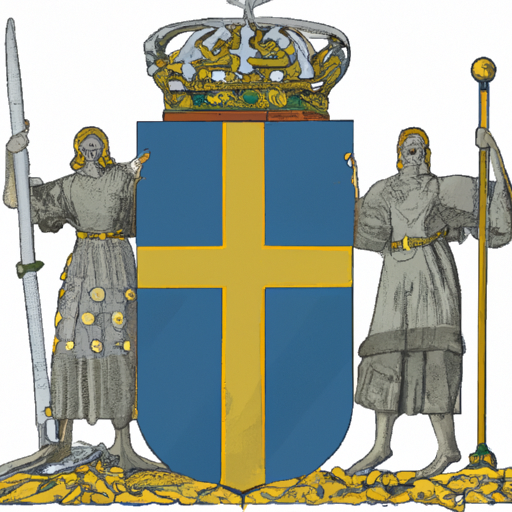
Example of visual style of Dutch 17th Century Architecture

Dutch 17th Century Architecture

Dutch 17th Century Architecture refers to the architectural style that was prevalent in the Netherlands during the 17th century, also known as the Dutch Golden Age. It is characterized by a unique combination of simplicity, elegance, and practicality. The style gained fame during this period due to the economic prosperity of the Dutch Republic, which allowed for the construction of numerous grand buildings and townhouses. These structures were designed with careful attention to detail and showcased the Dutch mastery of brick and gable work. The architecture of this era also emphasized natural light, large windows, and open floor plans.

View StyleExplore Style
Example of visual style of Eames

Eames

The Eames visual style is a mid-century modern design that emerged in the 1940s and 1950s. It was popularized by the famous American design couple Charles and Ray Eames. Known for its organic forms, clean lines, and innovative use of materials, the Eames style aimed to combine function, comfort, and beauty. The Eames' iconic furniture designs, such as their molded plywood chairs and the Eames Lounge Chair, became symbols of modern design. With their emphasis on functionality, simplicity, and craftsmanship, the Eames style continues to influence contemporary design and architecture.

View StyleExplore Style
Example of visual style of Edward Tufte

Edward Tufte

Edward Tufte is a prominent data visualization expert and professor emeritus of political science, statistics, and computer science at Yale University. His work in the field of visual design and data presentation has greatly influenced the way information is communicated. Tufte's style, which emerged in the late 20th century, emphasizes clarity, simplicity, and the elimination of unnecessary decoration. His famous book 'The Visual Display of Quantitative Information' (1983) brought him widespread recognition. Tufte's style became famous for its emphasis on conveying large amounts of data coherently, minimalism in design, and the use of high-quality graphics and typography.

View StyleExplore Style
Example of visual style of Erik Satie

Erik Satie

The visual style of Erik Satie, the influential French composer, is characterized by simplicity, minimalism, and a touch of whimsy. Satie's visual style emerged in the late 19th and early 20th centuries, coinciding with his musical career. He was known for his avant-garde approach and his rejection of traditional norms. Satie's style gained fame for its unconventional and experimental nature, as well as its ability to evoke emotions through simplicity and repetition.

View StyleExplore Style
Example of visual style of Finnish Design

Finnish Design

Finnish Design refers to the design aesthetic that emerged in Finland during the mid-20th century and gained international recognition. Characterized by simplicity, functionality, and timeless elegance, Finnish Design became famous for its clean lines, minimalism, and high-quality craftsmanship. It gained prominence in the 1950s and 1960s when Finnish designers like Alvar Aalto, Tapio Wirkkala, and Marimekko revolutionized the field. Emphasizing the use of local materials, such as birch wood and glass, Finnish Design has had a lasting impact on modern design principles.

View StyleExplore Style
Example of visual style of Fluxus Movement

Fluxus Movement

Fluxus Movement was a global, avant-garde art movement that emerged in the early 1960s. It was known for its experimental and interdisciplinary approach, challenging traditional notions of art. Fluxus artists sought to blur the boundaries between art and life, often creating works that were a combination of visual art, performance, music, and literature. The movement emphasized simplicity, humor, and audience participation. Some famous Fluxus artists include Nam June Paik, Yoko Ono, and George Maciunas.

View StyleExplore Style
Example of visual style of Fujiwara No Michinaga

Fujiwara No Michinaga

The Fujiwara No Michinaga style was prominent in Japan during the Heian period (11th century). Named after the influential Japanese statesman and regent Fujiwara no Michinaga, this visual style is characterized by its elegant and refined aesthetic. It is known for its emphasis on simplicity, asymmetry, and subtlety. The style gained recognition for its use of intricate patterns, delicate colors, and a combination of natural motifs and geometric shapes. Fujiwara No Michinaga helped establish this style by patronizing various artists and craftsmen, leading to its popularity and influence in the art and design of the time.

View StyleExplore Style
Example of visual style of Geometry

Geometry

Geometry is a visual style characterized by the use of geometric shapes, lines, and patterns. It emerged and gained popularity in the early 20th century, particularly during the 1920s and 1930s. The movement was influenced by advancements in mathematics and science, as well as the growing popularity of industrial design and architecture. Geometry became famous for its emphasis on simplicity, precision, and abstraction, often combining bold colors with clean lines and symmetrical compositions. It was widely used in various art forms, including painting, sculpture, graphic design, and architecture, and had a significant impact on the development of modern art and design.

View StyleExplore Style

Home