
Adolf Hitler
A propaganda-driven visual style characterized by stark, graphic imagery, bold colors, and symbolic use of icons like the swastika. Associated with the rise of Nazism in Germany during the 1930s and 1940s.
View StyleExplore Style Stylopedia
A visual encyclopedia of Propaganda styles – use as prompt inspiration for Midjourney, Gemini, or ChatGPT AI when making Propaganda images
A propaganda-driven visual style characterized by stark, graphic imagery, bold colors, and symbolic use of icons like the swastika. Associated with the rise of Nazism in Germany during the 1930s and 1940s.
View StyleExplore Style
A visual style associated with Nazi propaganda that aimed to promote the superiority of the Aryan race. It was prominent during the 1930s and 1940s, characterized by strong, heroic figures and idealized representations of the Aryan people.
View StyleExplore Style
The visual style associated with Benito Mussolini's leadership in Italy from 1922-1943, characterized by propaganda posters glorifying Fascism, featuring bold typography, strong colors, and images of Mussolini as a heroic figure.
View StyleExplore Style
The Captain America visual style is characterized by a patriotic color palette of red, white, and blue, along with vintage military-inspired elements like stars, stripes, and eagle motifs. Popularized during the 1940s, this style is associated with superhero comics and American propaganda art.
View StyleExplore Style
Gustav Klutsis was a Latvian artist and graphic designer known for his constructivist style. Active during the 1920s and 1930s, Klutsis gained fame for his powerful and dynamic compositions that combined photography, typography, and graphic design. His work was characterized by bold geometric forms, vibrant colors, and a strong sense of movement. Klutsis became famous for his propaganda posters and photomontages, which portrayed the ideals of the Soviet Union and promoted the achievements of the communist regime. His innovative use of photography and graphic design techniques made him a leading figure in the constructivist movement.
View StyleExplore Style
J Howard Miller was known for his iconic World War II propaganda posters with bold colors, strong graphics, and patriotic themes. His work became famous during the 1940s for its striking imagery and message of unity and support for the war effort.
View StyleExplore Style
J M Flagg was an American illustrator known for his iconic Uncle Sam 'I Want You' recruitment poster during World War I. His style was characterized by bold lines, patriotic imagery, and expressive faces.
View StyleExplore Style
James Montgomery Flagg was an American artist known for his bold, realistic portraits and iconic propaganda posters during World War I and II. His works are characterized by strong, patriotic imagery and a dynamic use of color and composition.
View StyleExplore Style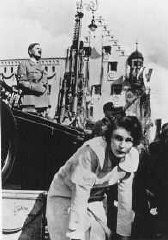
Leni Riefenstahl's visual style was characterized by dramatic compositions, innovative use of lighting and shadow, and a focus on showcasing physical beauty and strength. Her work in the 1930s, particularly with the film 'Triumph of the Will' and 'Olympia', made her famous for propagandistic and aesthetic qualities.
View StyleExplore Style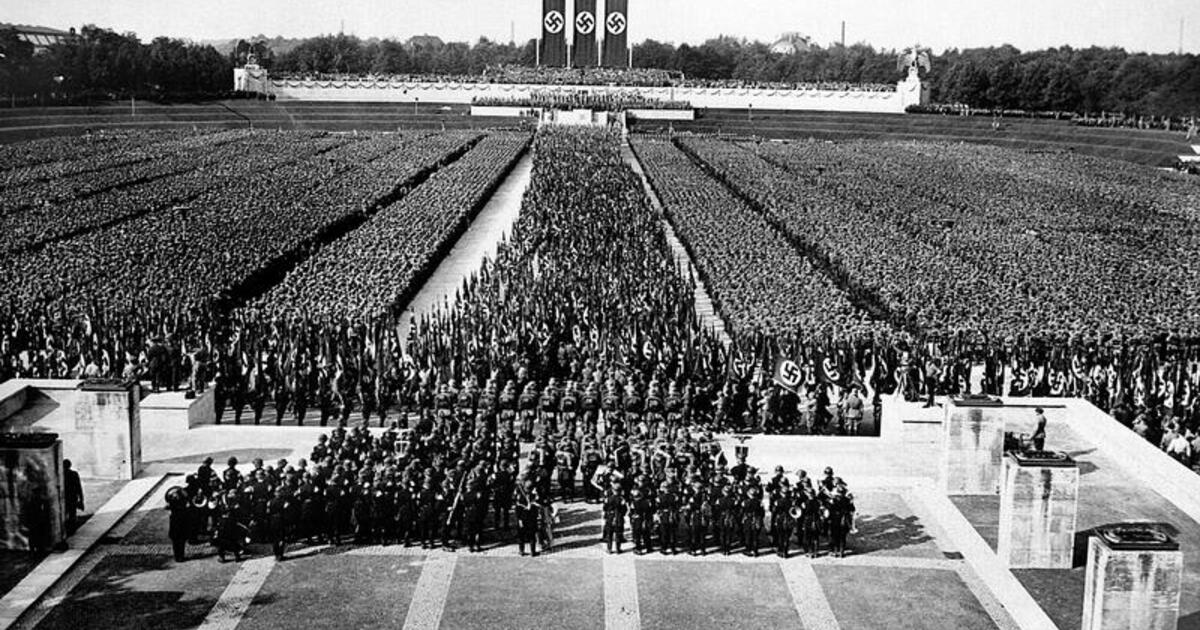
A visual style characterized by strong nationalist imagery, anti-Semitic messaging, and idealized portrayals of the Aryan race. Prominent in Germany during the 1930s and 1940s, these films were used to promote Nazi ideology and glorify the Third Reich.
View StyleExplore Style
Nazism visually promoted an Aryan ideal through bold graphics, swastikas, and militaristic imagery. This style became infamous during the 1930s and 1940s under the regime of Adolf Hitler in Germany.
View StyleExplore Style
Political Art is a style of art that aims to convey a political message or critique through visual imagery. Emerging in the 20th century, particularly during times of political unrest such as the Cold War and Civil Rights Movement, this style uses symbolism, satire, and propaganda to provoke thought and inspire action.
View StyleExplore Style
A style of graphic design focusing on conveying political messages through bold imagery and text. Popularized during the early to mid 20th century, this style is known for its use of striking colors, simplified forms, and powerful slogans.
View StyleExplore Style
Soviet Art emerged in the Soviet Union in the early 20th century, prominently during the 1920s and 1930s. Known for its socialist realism, propaganda themes, and strong political messages.
View StyleExplore Style
Soviet Contemporary Art emerged in the mid-20th century in the Soviet Union, characterized by political themes, realism, and socialist propaganda.
View StyleExplore Style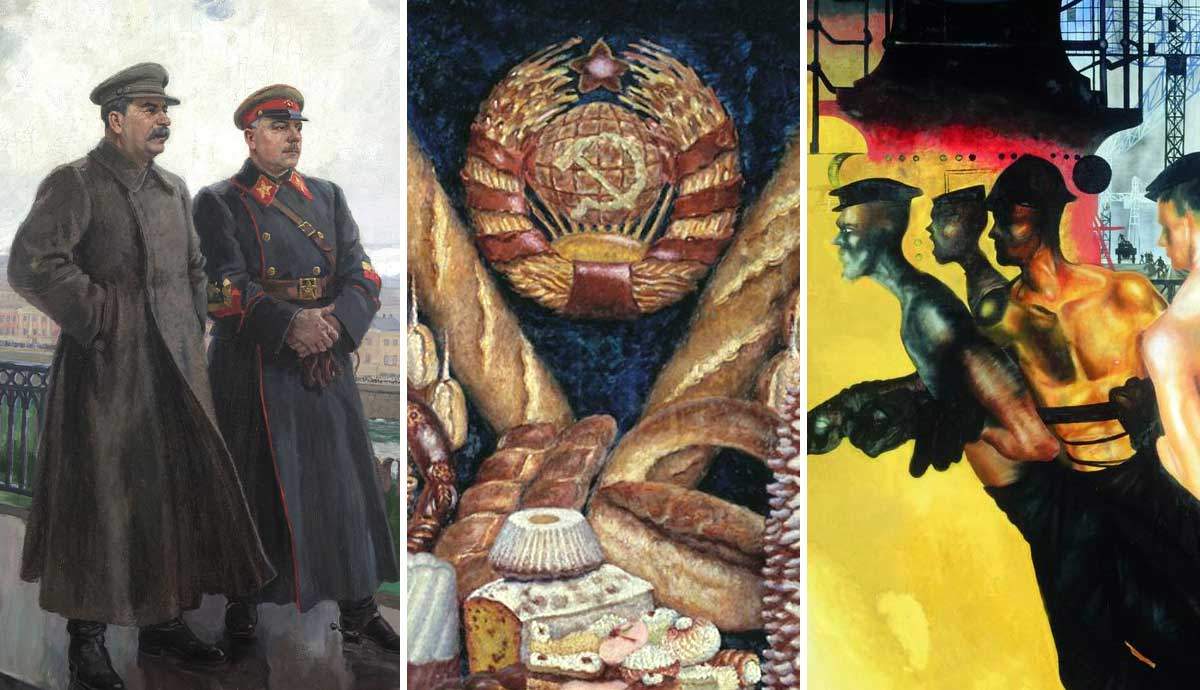
Soviet Realism was a style of art that dominated the Soviet Union from the 1930s to 1950s, characterized by realistic depictions of everyday life, glorification of the proletariat, and promotion of socialist ideals.
View StyleExplore Style
The visual style of the Third Reich, led by Adolf Hitler from 1933 to 1945, was characterized by grandiose architecture, propaganda posters, and militaristic imagery, promoting nationalism and Aryan supremacy.
View StyleExplore Style
A graphic style used in Nazi Germany from 1933 to 1945, known for its bold, powerful imagery and use of nationalist symbols to promote the ideologies of the Nazi party and Hitler.
View StyleExplore Style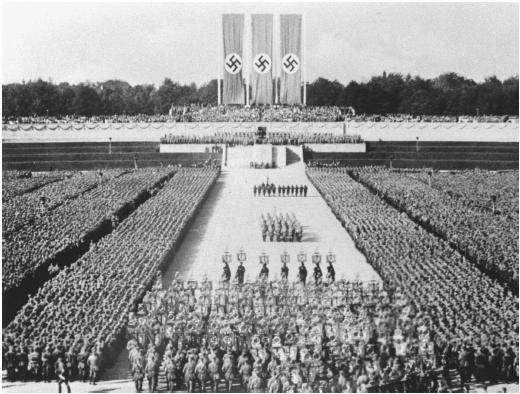
A documentary-style film by Leni Riefenstahl, known for its use of epic cinematography, strong symbolism, and propaganda themes. Made famous for its portrayal of the 1934 Nuremberg Rally.
View StyleExplore Style
World War II visual style is characterized by propaganda posters, vintage military uniforms, and iconic wartime photography. This style was prominent from 1939 to 1945 and is known for its patriotic and heroic imagery.
View StyleExplore Style
World War II Art was characterized by its depictions of the harsh realities and emotions of war, often through a mix of realistic and abstract styles. Artists captured the devastation, heroism, and human suffering of the era, often focusing on propaganda and patriotism. This style was prominent during the years 1939-1945 and gained recognition for its powerful and emotive imagery.
View StyleExplore Style