StylopediaStylopedia

Pointillism styles on Stylopedia

A visual encyclopedia of Pointillism styles – use as prompt inspiration for Midjourney, Gemini, or ChatGPT AI when making Pointillism images

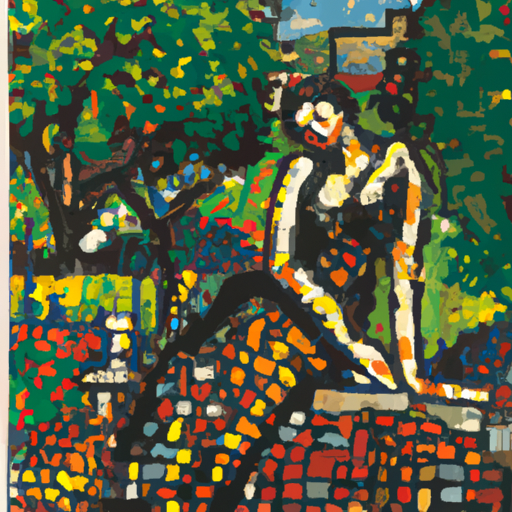
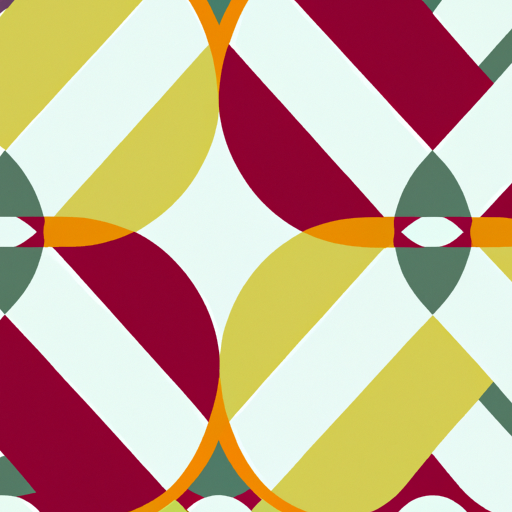
Example of visual style of Divisionism

Divisionism

Divisionism, also known as Pointillism, is a visual style that emerged in the late 19th century. Developed by a group of artists including Georges Seurat and Paul Signac, it gained prominence in the 1880s and 1890s. Divisionism employs the technique of using small dots or strokes of pure colors to create an optical mixture in the viewer's eye, rather than pre-mixing colors on the canvas. This scientific approach to color theory was influenced by the study of optics and light. Divisionism gained fame for its innovative use of color and its ability to capture atmospheric effects and the play of light.

View StyleExplore Style
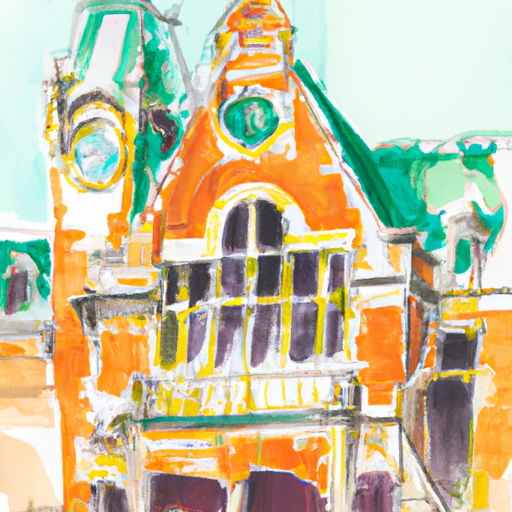
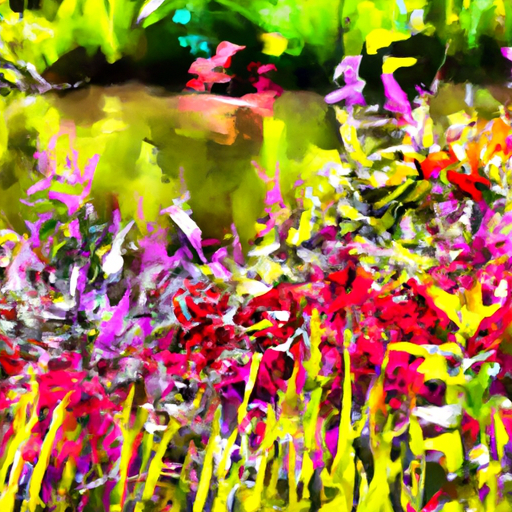
Example of visual style of Georges Lemmen

Georges Lemmen

Georges Lemmen was a Belgian painter and decorative artist who was an important figure in the Neo-Impressionist movement. Active during the late 19th and early 20th centuries, Lemmen is best known for his pointillist style and use of brightly colored dots to create atmospheric and vibrant scenes. He was one of the founding members of the group known as Les XX, which aimed to promote innovative art in Belgium. Lemmen's work became famous for its meticulousness and meticulous attention to detail, as well as its harmonious compositions and emphasis on light and color.

View StyleExplore Style
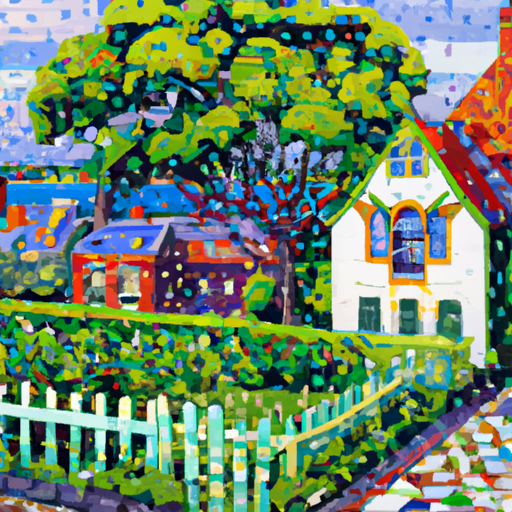
Example of visual style of Georges Seurat

Georges Seurat

Georges Seurat was a French painter who is best known for his technique called Pointillism. This style became famous in the late 19th century, particularly with Seurat's masterpiece 'A Sunday Afternoon on the Island of La Grande Jatte'. Seurat's unique approach involved creating an image using small dots or 'points' of pure color which, when viewed from a distance, blended together to form a cohesive image. This technique gave his paintings a distinct and vibrant visual style.

View StyleExplore Style
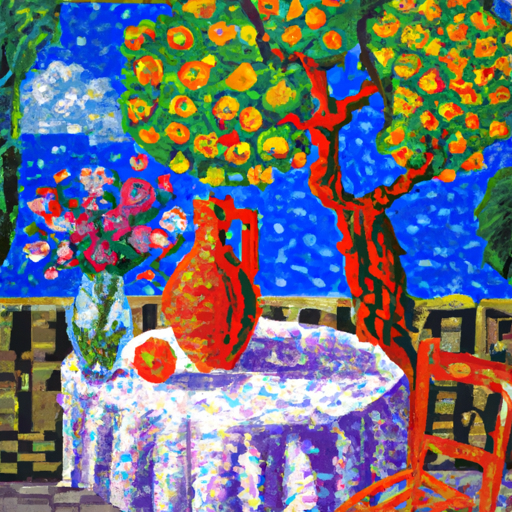
Example of visual style of Jan Toorop

Jan Toorop

Jan Toorop was a Dutch visual artist known for his unique visual style that emerged in the late 19th and early 20th centuries. His style is characterized by decorative and symbolic elements, with a focus on flowing lines and a sense of spirituality. Toorop became famous for his use of 'pointillism', a technique where small dots or strokes of paint are applied to a surface to create an image. This technique gave his artworks a distinctive and vibrant appearance. The years of importance for Toorop's style are from the late 19th century to the early 20th century, where he played a significant role in the European art scene.

View StyleExplore Style
Example of visual style of Neo Impressionism

Neo Impressionism

Neo Impressionism, also known as Pointillism, is a late 19th-century art movement that emerged as a reaction against traditional Impressionism. Lasting from 1886 to the early 20th century, it is most famous for its use of small dots or strokes of pure color that optically blend together to create a visual experience of vibrant luminosity. Georges Seurat and Paul Signac were the key figures who pioneered this style. The technique and philosophical foundations of Neo Impressionism influenced many other artistic movements that followed.

View StyleExplore Style
Example of visual style of Theo Van Rysselberghe

Theo Van Rysselberghe

Theo Van Rysselberghe was a prominent Belgian neo-impressionist painter in the late 19th and early 20th centuries. He was one of the leading figures of the pointillism movement, along with Georges Seurat and Paul Signac. Known for his meticulous brushwork and use of bright, pure colors, Rysselberghe's style epitomized the principles of pointillism. His paintings often depicted landscapes, seascapes, and figures, capturing the effects of light through the division of colors. With his innovative technique, Rysselberghe contributed to the development and popularity of pointillism as a distinctive visual style.

View StyleExplore Style
Home