StylopediaStylopedia

Opulence styles on Stylopedia

A visual encyclopedia of Opulence styles – use as prompt inspiration for Midjourney, Gemini, or ChatGPT AI when making Opulence images

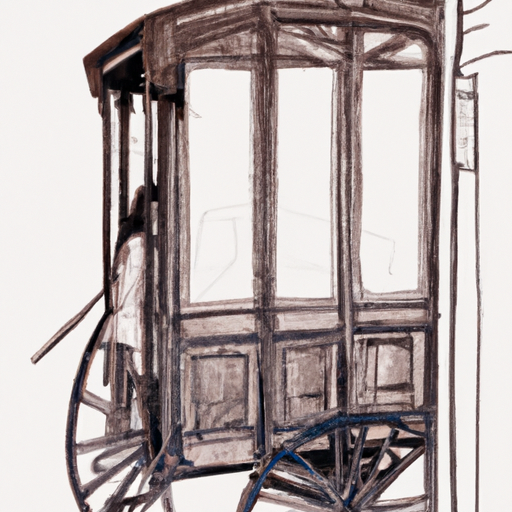
Example of visual style of American Gilded Age

American Gilded Age

The American Gilded Age was a visual style prevalent during the late 19th to early 20th century in America. This era, from the 1870s to the early 1900s, was characterized by extravagant wealth, opulence, and a desire for material display. The style emerged as a result of industrialization, economic prosperity, and the rise of the upper class. Notable features include ostentatious architecture, elaborate ornamentation, and ostensible luxury. The American Gilded Age is famous for its grand mansions, luxurious interiors, and excessive indulgence in an era of stark social inequality.

View StyleExplore Style

Example of visual style of Andre Le Notre

Andre Le Notre

Andre Le Notre was a French landscape architect. He was born in 1613 and worked predominantly in the 17th century. Le Notre is best known for his garden designs, particularly the extensive formal gardens of the French Baroque style. His designs emphasized symmetry, geometric patterns, and the integration of architecture and landscape. Le Notre's work was characterized by his use of grand terraces, ornamental parterres, fountains, and reflecting pools. His famous works include the gardens of Versailles and Vaux-le-Vicomte. Le Notre's style became synonymous with the opulence and grandeur of the French royal court during the reign of Louis XIV.

View StyleExplore Style
Example of visual style of Antoine Le Pautre

Antoine Le Pautre

Antoine Le Pautre was a French draughtsman and architect known for his intricate and ornate Baroque designs. Active during the late 17th century in France, his style was characterized by lavish decoration, grandeur, and symmetry. Le Pautre's work became famous for its opulence and his ability to create intricate and detailed designs for palaces, mansions, and churches, often incorporating elements such as intricate carvings, elaborate moldings, and extravagant embellishments.

View StyleExplore Style
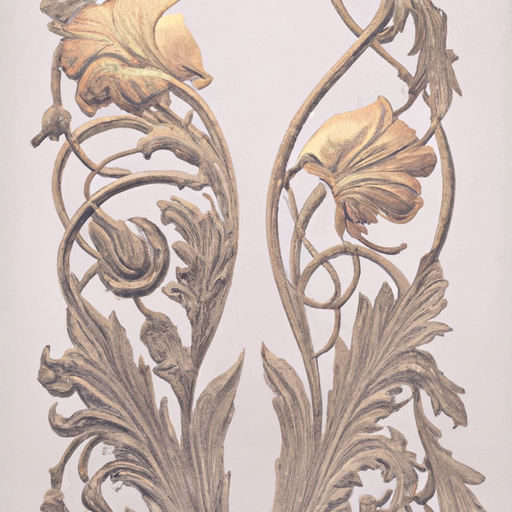
Example of visual style of Baroque

Baroque

Baroque is a highly ornamental and dramatic style that emerged in Europe around the late 16th century and remained prominent until the early 18th century. It is known for its grandeur, opulence, and theatricality. Baroque style captivated audiences with its elaborate details, exaggerated gestures, and vibrant colors. It was characterized by the use of dynamic and sweeping curves, intricate ornamentation, and abundant decorative elements. This style became famous for its luxuriousness and the way it evoked strong emotions through its ornate compositions and intense lighting effects.

View StyleExplore Style
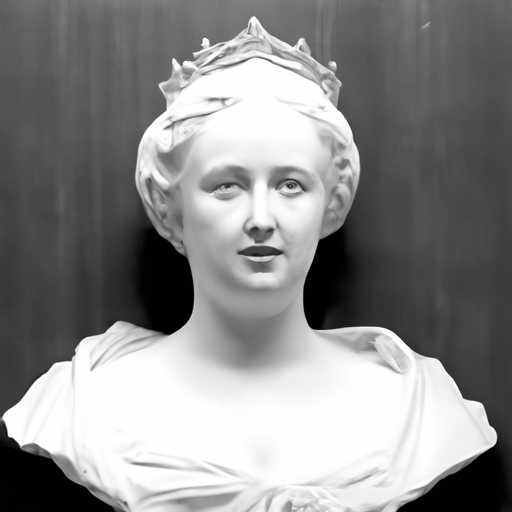
Example of visual style of Baroque Sculpture

Baroque Sculpture

Baroque Sculpture is a highly dramatic and theatrical style that emerged in Europe during the 17th century. It reached its peak between the late 16th and early 18th centuries. This style is known for its ornate and extravagant aesthetic, characterized by exaggerated gestures, dynamic compositions, and intricate details. Baroque sculptures often portray intense emotions, religious subjects, and a sense of movement. The use of light and shadow, known as chiaroscuro, adds depth and drama to the sculptures. Baroque Sculpture became famous for its grandeur and opulence, as well as its ability to evoke strong emotional responses from viewers.

View StyleExplore Style
Example of visual style of Baroque Style

Baroque Style

Baroque style was a highly ornate and extravagant artistic style that emerged in Europe around the late 16th century and lasted until the mid-18th century. It is characterized by dramatic and grandiose forms, rich ornamentation, curved lines, and a sense of motion. Baroque architecture and art were known for their emotional intensity and theatricality. This style became famous for its opulence and splendor, as well as its ability to evoke strong emotions in viewers.

View StyleExplore Style
Example of visual style of Belle Epoque

Belle Epoque

Belle Epoque, or 'Beautiful Era', refers to the period from the late 19th century to the outbreak of World War I in 1914. It was a time of opulence, glamour, and innovation in Europe and the United States. This era saw the rise of modern industrialization, technological advancements, and a flourishing of arts and culture. The Belle Epoque was marked by a commitment to beauty and optimism, with an emphasis on luxurious and ornate designs. The famous landmarks of this period include the Eiffel Tower, the Paris Metro, and the Exposition Universelle. This era is characterized by its grandeur, intricate detailing, and the fusion of different artistic influences.

View StyleExplore Style
Example of visual style of Cecil B Demille

Cecil B Demille

The Cecil B Demille visual style emerged in the 1920s and gained prominence in the early years of Hollywood. It is known for its grandeur, opulence, and epic scale. With the use of elaborate sets, lavish costumes, and large cast ensembles, Cecil B Demille created visually stunning films that transported viewers to ancient civilizations and biblical stories. This style became famous for its sweeping camera movements, dramatic lighting, and attention to detail, which added a sense of spectacle and grandiosity to the films he directed and produced.

View StyleExplore Style
Example of visual style of Christian Dior

Christian Dior

Christian Dior is a French fashion house known for its luxurious and elegant visual style. The style emerged in the late 1940s and became famous with the introduction of Dior's 'New Look' in 1947. The 'New Look' was characterized by a cinched waist, full skirt, and emphasized femininity. It revolutionized post-war fashion and brought a sense of opulence back to the industry. Dior's designs were often elaborate, with intricate detailing, luxurious fabrics, and a focus on tailored silhouettes.

View StyleExplore Style
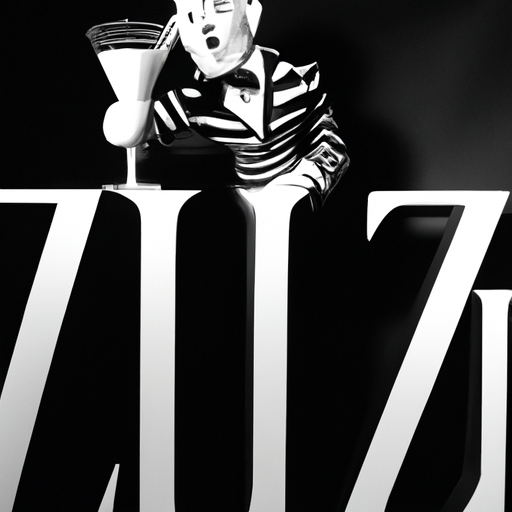
Example of visual style of Cosmopolitan

Cosmopolitan

Cosmopolitan is a visual style that emerged in the 1920s and became popular in the following decades. It is characterized by its glamorous and luxurious aesthetic, influenced by the Art Deco movement. The style is known for its bold, vibrant colors, sleek lines, and geometric shapes. It combines elements of modernism with a sense of extravagance and opulence. This visual style rose to fame during the Roaring Twenties, when Cosmopolitan magazine became an iconic publication that epitomized the glamorous lifestyle and aspirations of the modern woman. The era also saw the rise of Hollywood and the silver screen, which further popularized the Cosmopolitan style with its lavish sets and glamorous costumes.

View StyleExplore Style
Example of visual style of Elizabeth The Golden Age

Elizabeth The Golden Age

Elizabeth The Golden Age is a visual style that emerged during the reign of Queen Elizabeth I of England, from 1558 to 1603. This style is known for its opulence, grandeur, and extravagance, which mirrored the wealth and power of the Elizabethan era. The style encompasses elaborate costumes, intricate jewelry, rich fabrics, and ornate architectural designs. The visual style gained popularity due to its association with Queen Elizabeth I, who was a patron of the arts and a symbol of national pride and unity. The Elizabethan era was also marked by significant advancements in literature, theater, and exploration, which further influenced the visual aesthetics of the time.

View StyleExplore Style
Example of visual style of French Monarchy

French Monarchy

The French Monarchy style, prevalent from the 16th to the 18th centuries, was characterized by opulence, grandeur, and a sense of power. It reached its peak during the reign of Louis XIV, also known as the Sun King, from 1643 to 1715. This style became famous for its lavish decorations, extravagant fashion, and monumental architecture, exemplified by the Palace of Versailles. It represented the absolute monarchy and aristocratic society of France, reflected in its ornate design and intricate details.

View StyleExplore Style
Example of visual style of French Opera

French Opera

French Opera is a visual style that emerged in France during the 17th and 18th centuries. It became prominent during the reign of Louis XIV and continued to flourish throughout the Enlightenment period. This style is most famous for its opulence, grandeur, and theatricality. It was characterized by extravagant costumes, elaborate stage designs, and intricate set pieces. French Opera combined elements of baroque and rococo aesthetics, combining rich ornamentation, delicate details, and a sense of luxury. The style gained popularity due to the influence of important composers like Jean-Baptiste Lully and Jean-Philippe Rameau. It became a symbol of French culture and artistic expression.

View StyleExplore Style
Example of visual style of Hollywood Glamour

Hollywood Glamour

Hollywood Glamour is a visual style that emerged in the 1930s and reached its peak during the 1940s and 1950s. This style is known for its opulence, elegance, and sophistication, which became iconic in the Golden Age of Hollywood. The use of luxurious fabrics, elaborate costumes, and exquisite jewelry characterized this style. Hollywood Glamour became famous for its portrayal of movie stars and their glamorous lifestyles, capturing the imagination of audiences worldwide.

View StyleExplore Style

Example of visual style of King Louis XVI

King Louis XVI

King Louis XVI was a visual style that emerged during the late 18th century in France, particularly during the reign of King Louis XVI from 1774 to 1792. This style was known for its opulence, extravagance, and grandeur. It was inspired by the Neoclassical aesthetic and influenced by the Rococo style that preceded it. King Louis XVI style gained popularity through its association with the French monarchy and its lavishness, as well as being a reaction to the simplicity and restraint of the Enlightenment period.

View StyleExplore Style
Example of visual style of Louis XV Style

Louis XV Style

The Louis XV Style, also known as the Rococo style, flourished in France from 1730 to 1760 during the reign of King Louis XV. This style marked a departure from the formal and symmetrical designs of the preceding Baroque era. Known for its opulence and delicate ornamentation, the Louis XV Style embraced asymmetry, lightness, and frivolity. It was characterized by sinuous and curvaceous forms, intricate detailing, and a profusion of decorative elements such as shell motifs, scrolls, and intricate foliage. The Louis XV Style became famous for its emphasis on luxury, comfort, and elegance, which catered to the tastes of the French aristocracy of the time.

View StyleExplore Style
Example of visual style of Luxury Fashion

Luxury Fashion

Luxury Fashion is a visual style that represents opulence, elegance, and high quality. It emerged in the late 19th century and gained significant popularity during the 20th century. This style became famous for its creation of exclusive, handcrafted garments using the finest materials, such as silk, satin, and cashmere. Luxury Fashion is associated with prestigious fashion houses and designers who have set the standard for exquisite craftsmanship and unique designs. The style showcases meticulous attention to detail, elaborate embellishments, and an emphasis on perfect tailoring. It represents sophistication, exclusivity, and a symbol of status.

View StyleExplore Style
Example of visual style of Madame De Pompadour

Madame De Pompadour

Madame De Pompadour is a visual style that emerged during the 18th century in France, particularly during the reign of Louis XV. It is named after Jeanne-Antoinette Poisson, Marquise de Pompadour, who was the official chief mistress of Louis XV and a prominent patroness of the arts. This style is characterized by its lavishness, opulence, and rococo aesthetics. It is famous for its intricate ornamentation, delicate pastel colors, and asymmetrical designs. The style reached its peak in the mid-18th century and was widely used in interior design, fashion, and decorative arts.

View StyleExplore Style
Example of visual style of Madeleine De Puisieux

Madeleine De Puisieux

Madeleine De Puisieux is a visual style that emerged in the 18th century France and became famous for its delicate and elegant aesthetics. It is characterized by its use of pastel colors, intricate details, and romantic motifs. This style gained popularity during the Rococo period, specifically in the years 1730 to 1770. Madeleine De Puisieux is known for her intricate designs in fashion and interior decoration, incorporating elements such as floral patterns, gilded accents, and ornate furniture. The style became famous for its ability to create a sense of opulence and luxury while maintaining a delicate and feminine appeal.

View StyleExplore Style
Example of visual style of Mgm

Mgm

Mgm, short for Metro-Goldwyn-Mayer, is a visual style that emerged in the 1920s and remained influential till the late 1950s. It is known for its grandeur and opulence, characterized by lavish sets, glamorous costumes, and high production values. Mgm pioneered the use of Technicolor in film, which added vibrant colors and enhanced the visual experience. This style became famous for its iconic musicals, such as 'Singin' in the Rain' (1952) and 'The Wizard of Oz' (1939), as well as its epic historical dramas like 'Ben-Hur' (1959) and 'Gone with the Wind' (1939).

View StyleExplore Style
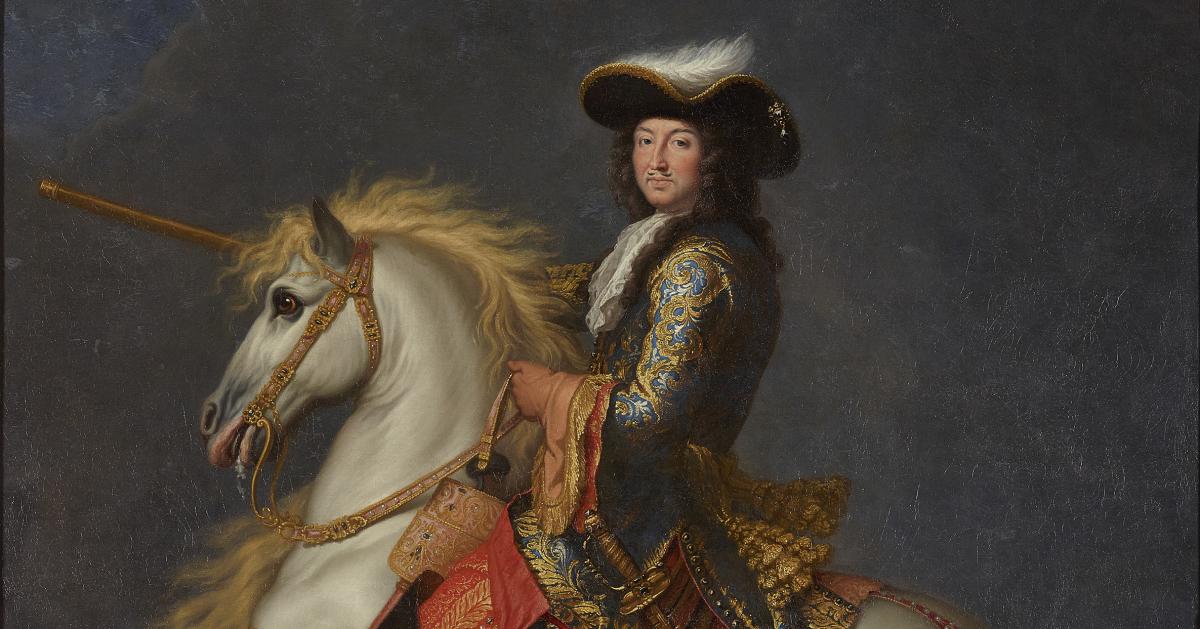
Example of visual style of Neeta Lulla

Neeta Lulla

Neeta Lulla is an Indian fashion designer known for her exquisite designs in traditional and contemporary Indian clothing. With over three decades of experience, she has made a significant contribution to the Indian fashion industry. Lulla's style became famous in the 1990s when she started designing costumes for Bollywood films, incorporating her signature blend of intricate embroidery and innovative techniques. Her designs have since become synonymous with grace, elegance, and opulence.

View StyleExplore Style
Example of visual style of Opulent Baroque

Opulent Baroque

Opulent Baroque was a highly ornate and decorative visual style that emerged in the late 17th century and reached its peak during the 18th century. It is characterized by extravagant and lavish design elements, including intricate detailing, lavish use of gold and other precious materials, and a sense of grandeur. Opulent Baroque architecture, art, and design were famous for their opulence and excessive ornamentation, aiming to impress and inspire awe. This style became prominent in Europe, particularly in countries like Italy, France, and Spain, and is known for its exuberance and flamboyance.

View StyleExplore Style
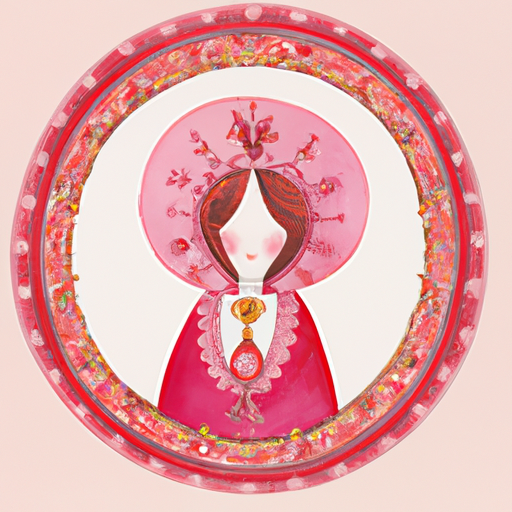
Example of visual style of Rose Dewitt Bukater

Rose Dewitt Bukater

Rose Dewitt Bukater is a visual style that became famous in the early 1910s, during the time of the RMS Titanic. This style is characterized by its opulence, elegance, and sophistication, reflecting the fashion and aesthetics of the Edwardian era. Known for its luxurious fabrics, intricate details, and voluminous silhouettes, Rose Dewitt Bukater style showcases the grandeur and allure of high society at the time. The style gained further popularity through the 1997 film 'Titanic', where the protagonist Rose's fashion choices became iconic.


View StyleExplore Style
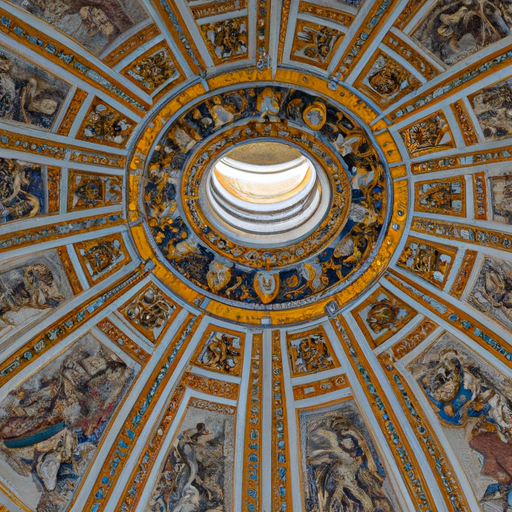
Example of visual style of St Peters Basilica

St Peters Basilica

St Peters Basilica is a visual style that emerged in the Renaissance period in Italy. It is characterized by its grandeur, opulence, and intricate detailing. The style became famous during the 16th century when it was designed and constructed by prominent architects such as Donato Bramante, Michelangelo, Carlo Maderno, and Gian Lorenzo Bernini. St Peters Basilica is known for its massive size, imposing dome, and rich decoration, reflecting the magnificence and power of the Catholic Church.

View StyleExplore Style
Example of visual style of Stanford White

Stanford White

Stanford White was an American architect known for his Beaux-Arts style, which flourished during the late 19th and early 20th centuries. This style epitomized the opulence and grandeur of the Gilded Age. White's designs featured classical elements such as columns, arches, and decorative motifs, combined with modern innovations in structural engineering. His work became famous for its elaborate ornamentation, intricate detailing, and the use of high-quality materials. Stanford White's visual style rose to prominence between the 1870s and 1900s and left a lasting impact on American architecture and design.

View StyleExplore Style
Home