StylopediaStylopedia

Op Art styles on Stylopedia

A visual encyclopedia of Op Art styles – use as prompt inspiration for Midjourney, Gemini, or ChatGPT AI when making Op Art images

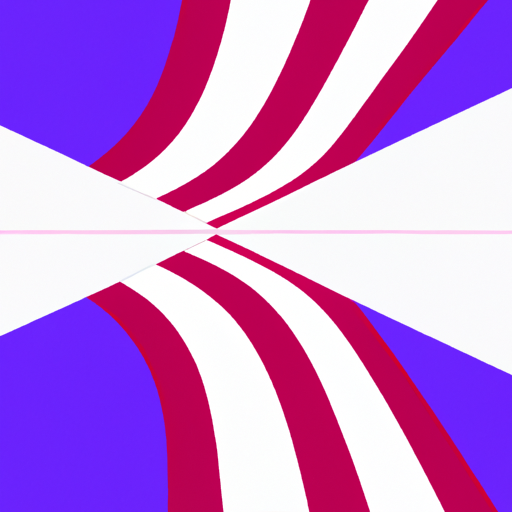
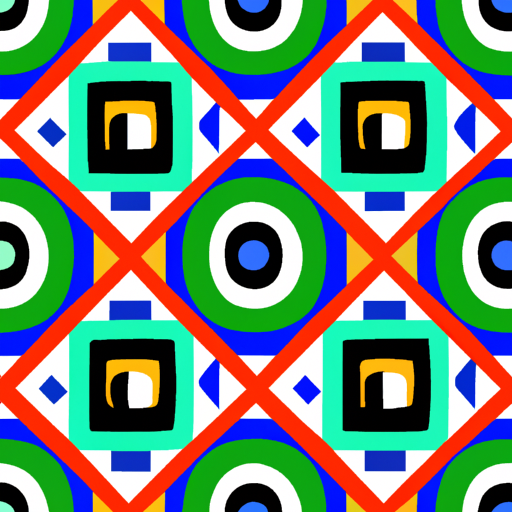
Example of visual style of Craniodsgn

Craniodsgn

Craniodsgn is a highly abstract and futuristic visual style that emerged in the early 2000s. This style gained popularity for its avant-garde and unique designs, blending elements of geometric shapes, vibrant colors, and digital effects. The use of intricate patterns and fragmented compositions characterizes Craniodsgn. It is influenced by various art movements such as Op Art and Cubism. Craniodsgn became famous due to its association with digital art and its representation of the rapidly advancing technological era.

View StyleExplore Style
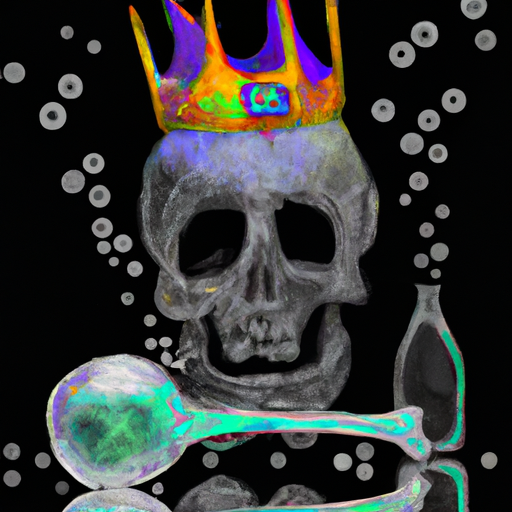
Example of visual style of Gustavo Pantone

Gustavo Pantone

Gustavo Pantone is a contemporary visual style that combines elements of op art, geometric abstraction, and street art. It emerged in the early 2010s and gained popularity for its futuristic and vibrant aesthetics. Pantone's works are characterized by dynamic patterns, bold lines, optical illusions, and a futuristic color palette. His style has become famous for its ability to create visually captivating and immersive experiences, often playing with the viewer's perception and challenging the boundaries of traditional art forms.

View StyleExplore Style
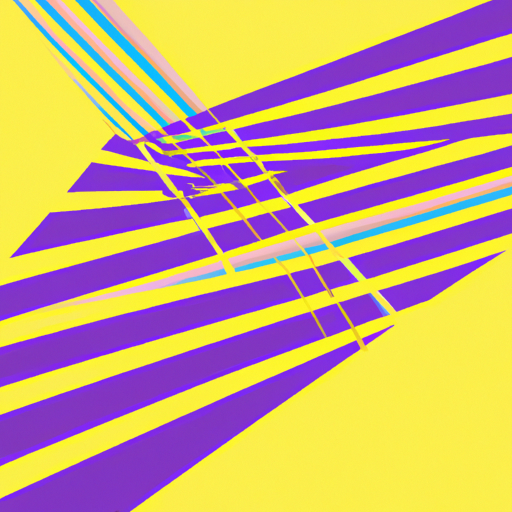
Example of visual style of Richard Anuszkiewicz

Richard Anuszkiewicz

Richard Anuszkiewicz is an American Op Art artist known for his vibrant and geometric optical illusions. He rose to prominence in the 1960s as one of the leading figures of the Op Art movement, which sought to create visual experiences that challenged perception and created optical illusions. Anuszkiewicz's works often feature bold and contrasting colors, precise geometric patterns, and intricate arrangements of shapes. His art is characterized by an intense visual impact and an exploration of the effects of color and light. Anuszkiewicz's style became famous for its ability to create visual illusions that seem to shift and vibrate, captivating viewers with their optical effects.

View StyleExplore Style
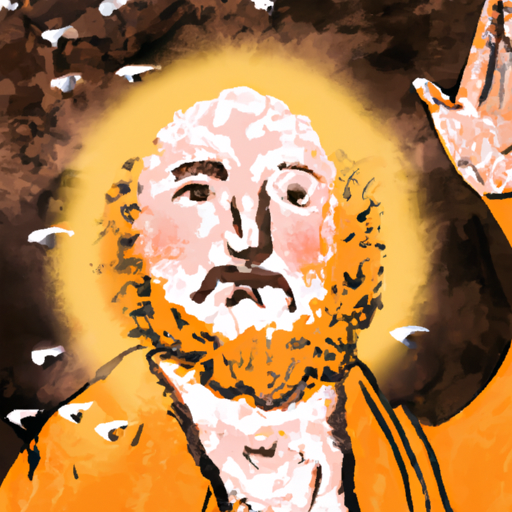
Example of visual style of Vasarely

Vasarely

Vasarely is a visual style that emerged in the 1960s and 1970s, primarily attributed to the Hungarian-French artist Victor Vasarely. It is characterized by its use of geometric shapes, bold colors, and optical illusion effects. Vasarely became famous for his exploration of Op Art (Optical Art), creating artwork that appeared to be in constant motion and played with the viewer's perception. His innovative approach to art and his ability to create captivating illusions made Vasarely one of the most influential figures in the Op Art movement.

View StyleExplore Style
Example of visual style of Victor Vasarely

Victor Vasarely

Victor Vasarely, also known as the Father of Op Art, was a Hungarian-French artist. He revolutionized the field of optical art in the 1960s. Vasarely's art is characterized by geometric patterns and optical illusions that create a sense of movement and depth. His works became famous for their exploration of perception and visual relationships. Vasarely's style gained recognition and popularity in the 1960s and 1970s, with his artwork being exhibited worldwide. He played a significant role in bridging the gap between fine art and commercial design.

View StyleExplore Style
Home