StylopediaStylopedia

Mughal styles on Stylopedia

A visual encyclopedia of Mughal styles – use as prompt inspiration for Midjourney, Gemini, or ChatGPT AI when making Mughal images

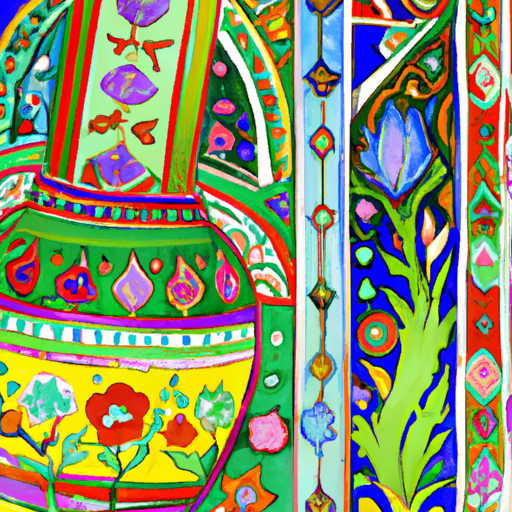
Example of visual style of Islamic Art

Islamic Art

Islamic Art refers to the artistic traditions and designs that emerged in the Islamic world from the 7th century onwards and continue to be created today. This diverse style encompasses a wide range of mediums, including calligraphy, geometric patterns, arabesques, and intricate floral motifs. Islamic Art is characterized by its emphasis on intricate ornamentation, exquisite craftsmanship, and the prohibition of depicting human figures. Significant periods in Islamic Art include the Umayyad, Abbasid, Mughal, and Safavid eras. The art form gained worldwide recognition through its use in architectural wonders such as the Alhambra in Spain and the Taj Mahal in India.

View StyleExplore Style
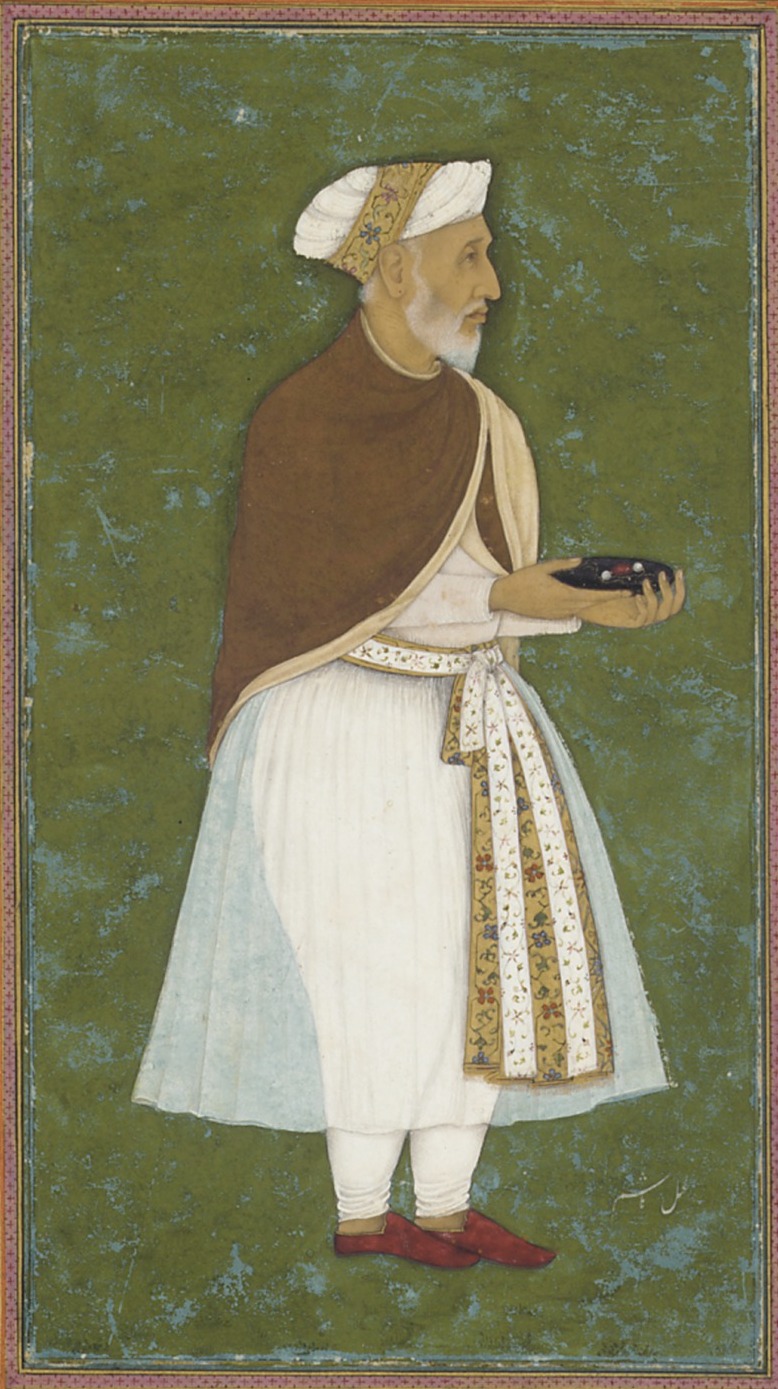
Example of visual style of Mughal Empire

Mughal Empire

The Mughal Empire visual style encompasses the art and architecture of the Mughal dynasty in South Asia during the 16th to 19th centuries. This style reached its peak during the reign of Emperor Akbar (1556-1605) and Emperor Shah Jahan (1628-1658). The Mughal Empire is famous for its intricate ornamentation, refined craftsmanship, and fusion of Persian, Islamic, and indigenous Indian styles. Notable features include symmetrical layouts, exquisite calligraphy, detailed miniature paintings, monumental architecture such as the Taj Mahal, and the use of precious materials like marble and semi-precious stones.

View StyleExplore Style
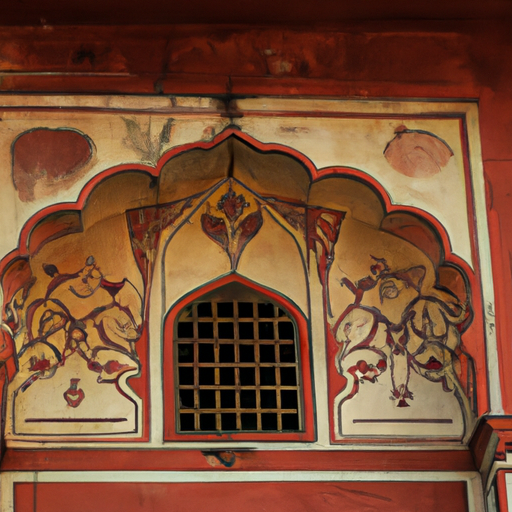
Example of visual style of Nur Jahan

Nur Jahan

Nur Jahan is a Mughal visual style that emerged in the late 16th century and continued through the early 17th century in the Mughal Empire of South Asia. It is named after Empress Nur Jahan, who was a powerful and influential figure during the reign of Emperor Jahangir. This style is characterized by its intricate and delicate craftsmanship, vibrant colors, and fusion of Persian and Indian artistic elements. It is famous for its exquisite miniature paintings, floral motifs, and the depiction of royal courts and gardens. Nur Jahan's patronage of the arts and her emphasis on luxury and refinement greatly contributed to the popularity and recognition of this visual style.

View StyleExplore Style
Home