
Abd Al Samad
Abd Al Samad is a style popular in the Middle East during the 16th century, known for intricate geometric patterns, vibrant colors, and detailed calligraphy.
View StyleExplore Style Stylopedia
A visual encyclopedia of Middle Eastern styles – use as prompt inspiration for Midjourney, Gemini, or ChatGPT AI when making Middle Eastern images
Abd Al Samad is a style popular in the Middle East during the 16th century, known for intricate geometric patterns, vibrant colors, and detailed calligraphy.
View StyleExplore Style
Contemporary Middle Eastern Design is characterized by a fusion of traditional Middle Eastern influences with modern aesthetics, emphasizing intricate patterns, vibrant colors, and luxurious materials. This style gained fame in the late 20th century and continues to evolve with a focus on cultural heritage and innovation.
View StyleExplore Style
Dima Ayad is known for her bold and vibrant designs, combining Middle Eastern influences with modern silhouettes. Her work has gained popularity for its unique blend of traditional and contemporary elements.
View StyleExplore Style
Huda Baroudi is a Lebanese interior designer known for her eclectic style that blends traditional Middle Eastern elements with contemporary design principles. Her work gained recognition in the late 1990s for its bold use of color, intricate patterns, and incorporation of local craftsmanship.
View StyleExplore Style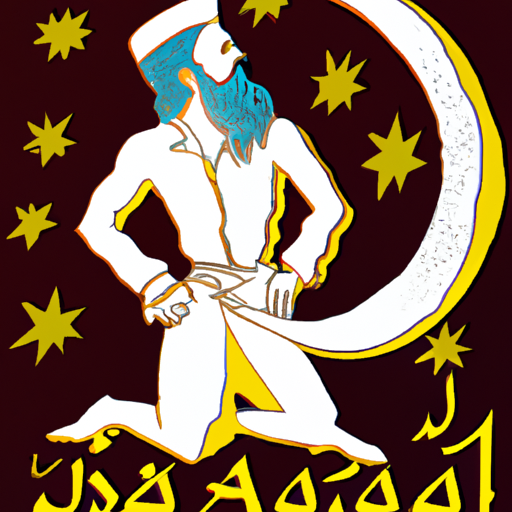
The visual style ‘Jafar Aladdin’ emerged in the 1990s and gained popularity through its distinctive blend of Middle Eastern and Disney animations. This style is famous for its vibrant colors, intricate patterns, and exotic motifs, which were heavily influenced by Islamic art and architecture. It became widely recognized after the release of the Disney animated film 'Aladdin' in 1992, which prominently featured this style throughout its visuals, particularly in scenes involving the villainous character Jafar.
View StyleExplore Style
John Frederick Lewis was an English Orientalist painter who lived and worked in the 19th century. He is famous for his detailed and accurate depictions of Middle Eastern and North African scenes, particularly his vivid portrayals of everyday life in Cairo and Egypt. Lewis's style is characterized by his meticulous attention to detail, vibrant colors, and skillful use of light and shadow. His paintings often capture the exotic charm and cultural richness of the Orientalist world.
View StyleExplore Style
Mansur is a visual style characterized by vibrant colors, intricate patterns, and intricate details, popularized in the 1970s. This style is famous for its exotic and luxurious aesthetic, often inspired by Middle Eastern and Asian cultures.
View StyleExplore Style
The Marco Polo visual style is characterized by rich, vibrant colors, intricate patterns, and ornate decorations inspired by Asian and Middle Eastern cultures. It gained popularity during the 13th and 14th centuries as a result of the explorer Marco Polo's travels and writings.
View StyleExplore Style
Middle Eastern Art refers to the visual style of art that originates from the Middle East region. It encompasses various forms of art including traditional Islamic art, calligraphy, miniature painting, mosaic art, and more. Middle Eastern Art has a rich history and dates back to ancient civilizations like Mesopotamia and Egypt. It reached its peak during the Islamic Golden Age (8th to 14th centuries) when Islamic art and architecture flourished, characterized by intricate geometric patterns, arabesque designs, and ornate calligraphy. It has been highly influential in shaping the art world, known for its vibrant colors, detailed craftsmanship, and the fusion of religious, cultural, and regional influences.
View StyleExplore Style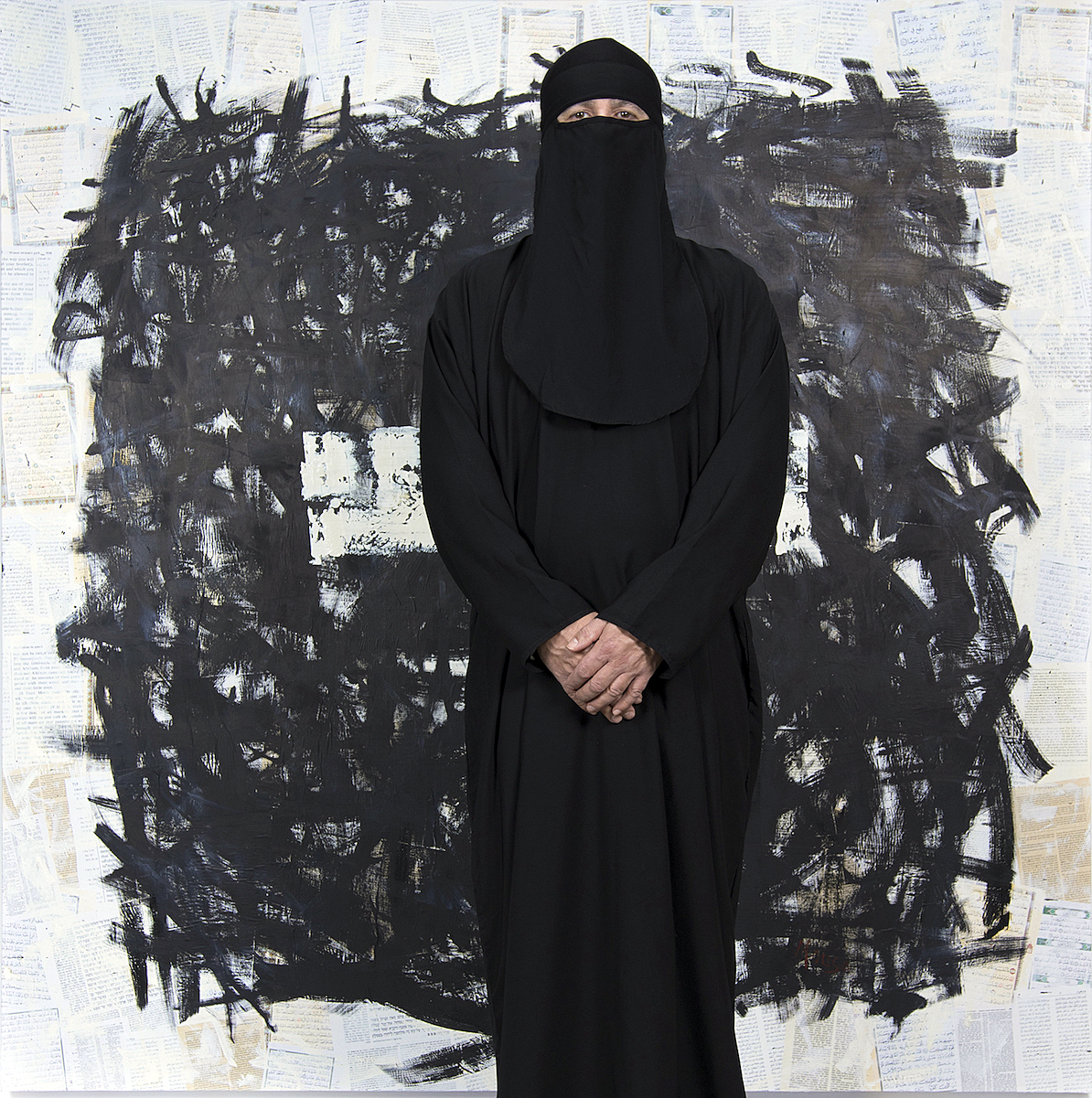
Nabil Mousa's visual style is characterized by bold colors, intricate patterns, and detailed textures that draw inspiration from Middle Eastern art and culture. His work gained popularity in the late 20th century for its fusion of traditional and contemporary elements.
View StyleExplore Style
Thea Porter was a British designer known for her bohemian and exotic style in the 1960s and 1970s. She was famous for using rich, luxurious fabrics and eclectic patterns inspired by Middle Eastern and Asian cultures.
View StyleExplore Style