
Alebrije Art
Vibrant and intricate Mexican folk art style originating in the 1930s. Known for fantastical creatures and bright colors.
View StyleExplore Style Stylopedia
A visual encyclopedia of Mexican styles – use as prompt inspiration for Midjourney, Gemini, or ChatGPT AI when making Mexican images
Vibrant and intricate Mexican folk art style originating in the 1930s. Known for fantastical creatures and bright colors.
View StyleExplore Style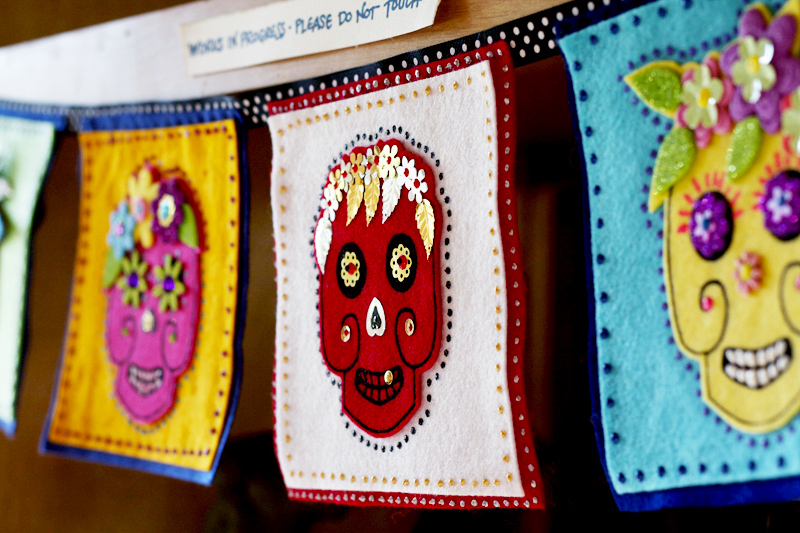
Day of the Dead Art, also known as Día de los Muertos Art, is a traditional Mexican folk art style that is characterized by colorful and intricate designs depicting skeletons, skulls, and other symbols of death. It became famous in the 20th century as a way to honor deceased loved ones during the Day of the Dead festival.
View StyleExplore Style
Dia De Los Muertos, or Day of the Dead, is a Mexican holiday celebrated on November 1st and 2nd that focuses on honoring and remembering deceased loved ones. The visual style is characterized by colorful decorations, sugar skull motifs, marigold flowers, ornate altars, and intricately decorated calavera (skull) masks.
View StyleExplore Style
Huichol Beadwork is a traditional style of indigenous Mexican artwork characterized by vibrant colors and intricate patterns made from small beads. It gained popularity in the 20th century for its unique cultural significance and breathtaking craftsmanship.
View StyleExplore Style
Jose Guadalupe Posada was a Mexican illustrator and printmaker known for his satirical and politically charged artwork during the late 19th and early 20th centuries. His iconic calavera illustrations, including the popular image of 'La Calavera Catrina', became synonymous with Día de los Muertos celebrations.
View StyleExplore Style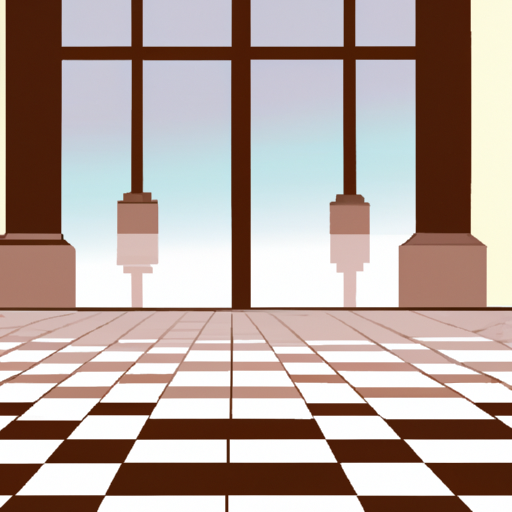
Luis Barragan was a Mexican architect known for his minimalist and colorful modernist buildings that blend traditional Mexican and international styles. His work gained fame in the mid-20th century for its use of light, space, and vibrant hues.
View StyleExplore Style
Ricardo Legorreta was a Mexican architect known for his bold use of color, geometric forms, and modernist principles. His work gained international recognition in the 1980s for its vibrant aesthetic and unique blend of traditional Mexican architecture with modern influences.
View StyleExplore Style
The Hacienda style emerged in the 20th century, featuring a mix of Spanish, Mexican, and southwestern influences in architecture and interior design. It is known for its rustic charm, colorful accents, and use of natural materials.
View StyleExplore Style