StylopediaStylopedia

Macabre styles on Stylopedia

A visual encyclopedia of Macabre styles – use as prompt inspiration for Midjourney, Gemini, or ChatGPT AI when making Macabre images

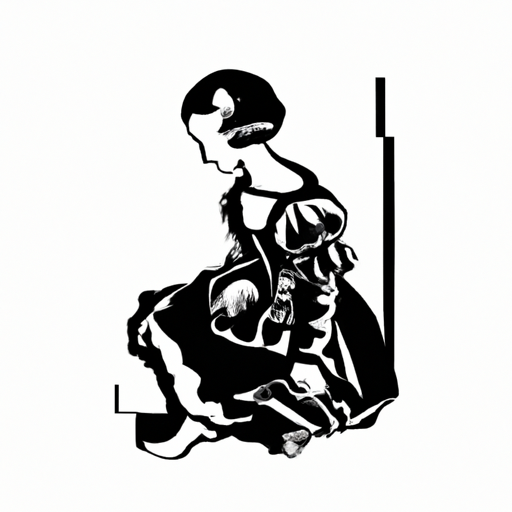
Example of visual style of Aubrey Beardsley

Aubrey Beardsley

Aubrey Beardsley was an English illustrator and author who had a significant influence on the development of Art Nouveau style in the late 19th century. His distinct black-and-white drawings featured intricate and highly stylized lines, often depicting themes of eroticism and the macabre. Beardsley's work gained fame in the 1890s and he became known for his illustrations in influential publications such as 'The Yellow Book' and 'Salomé'. His unique style and controversial subject matter made him a prominent figure in the Aesthetic movement.

View StyleExplore Style

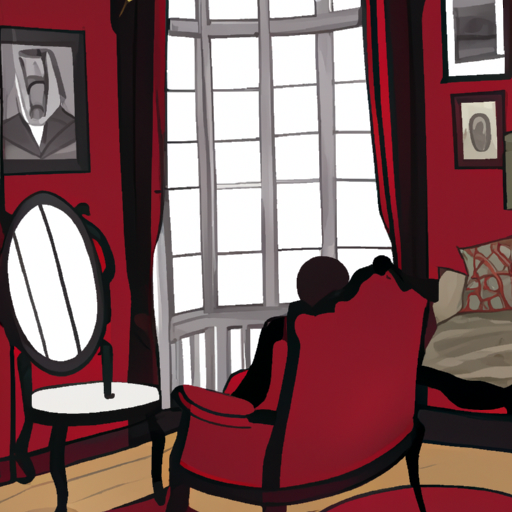
Example of visual style of Charles Addams

Charles Addams

Charles Addams style is a unique brand of macabre and dark humor. He is best known for his cartoons and illustrations in The New Yorker magazine from the late 1930s until his death in 1988. Addams' style became famous for its dark and unsettling imagery, often featuring gothic mansions, eccentric characters, and morbid situations. His work gained popularity due to its clever and distinct blend of humor and horror. Addams' illustrations have since influenced various mediums, including movies, TV shows, and graphic novels.

View StyleExplore Style
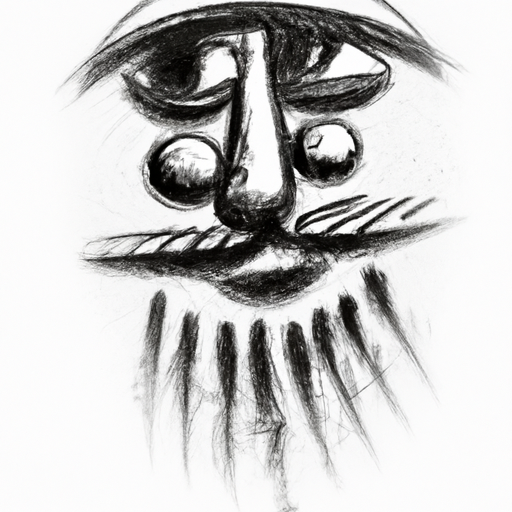
Example of visual style of Clive Barker

Clive Barker

The Clive Barker style can be described as dark, macabre, and fantastical. It emerged in the 1980s and gained fame through Barker's works as a writer, filmmaker, and visual artist. Known for his horror fiction, Barker created a unique and visually striking aesthetic that blends elements of fantasy, surrealism, and grotesque imagery. His vivid imagination and storytelling abilities made him a prominent figure in the horror genre. Barker's style often explores themes of sexuality, body horror, and the blurred lines between the real and the supernatural.

View StyleExplore Style
Example of visual style of Dark Art

Dark Art

Dark Art is a visual style characterized by its somber and macabre themes, often exploring the darker aspects of the human psyche. It emerged in the late 18th century and gained popularity in the 19th and 20th centuries. The style became famous for its use of gloomy color palettes, eerie lighting, and emphasis on the mysterious and grotesque. Dark Art encapsulates a wide range of artistic expressions, from Gothic literature and Romantic paintings to contemporary horror films and surrealist works.

View StyleExplore Style
Example of visual style of Dark Fantasy

Dark Fantasy

Dark Fantasy is a visual style characterized by its eerie and mysterious atmosphere, combining elements of fantasy and horror. It emerged in the late 18th century with the Gothic literature movement, gaining popularity in the 19th and early 20th centuries. Dark Fantasy is often associated with macabre and supernatural themes, featuring haunted landscapes, grotesque creatures, and dramatic lighting. Its fame grew through the works of authors like Edgar Allan Poe and artists like Hieronymus Bosch.

View StyleExplore Style
Example of visual style of Edward Gorey

Edward Gorey

Edward Gorey is famous for his distinctive black and white pen-and-ink illustrations. His style emerged in the mid-20th century and is known for its macabre and whimsical themes, often depicting mysterious narratives with a Victorian and Gothic influence. Gorey's work gained popularity through his book illustrations, notably 'The Gashlycrumb Tinies' (1963), which features darkly humorous rhymes about the untimely deaths of children. His detailed cross-hatched drawings and uncanny characters have made his style instantly recognizable and influential in the field of dark humor and Gothic art.

View StyleExplore Style
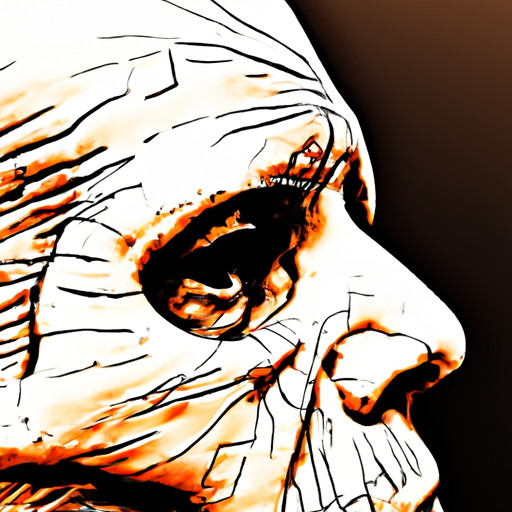
Example of visual style of Gerald Brom

Gerald Brom

Gerald Brom is a renowned dark fantasy artist known for his haunting and macabre imagery. His visual style gained popularity in the 1990s and continues to be influential today. Brom's work is characterized by its detailed and evocative portrayal of dark and fantastical subjects such as demons, monsters, vampires, and post-apocalyptic worlds. His unique combination of imaginative storytelling, skillful technique, and richly textured illustrations has made him famous in the genre.

View StyleExplore Style
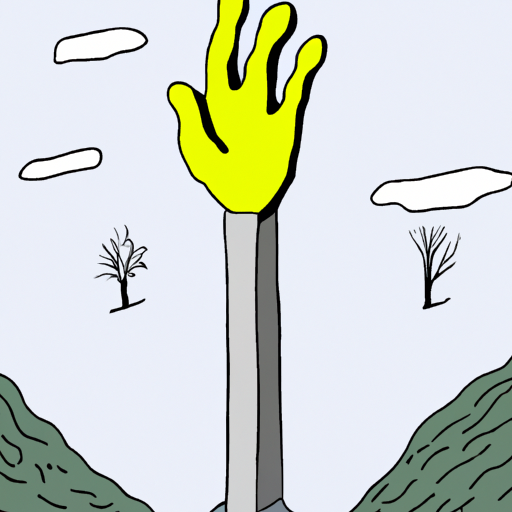
Example of visual style of Gothic Horror

Gothic Horror

Gothic Horror is a visual style that emerged in the late 18th and early 19th centuries. It became famous through literature and later extended to other art forms. This style is characterized by its macabre and gloomy atmosphere, combining elements of horror, suspense, and the supernatural. Gothic Horror often features eerie castles, dark forests, graveyards, and haunted mansions as settings. It explores themes of death, decay, madness, and the unknown, making use of dramatic lighting, exaggerated shadows, and grotesque or supernatural creatures. Prominent examples include Mary Shelley's 'Frankenstein' published in 1818 and Bram Stoker's 'Dracula' published in 1897.

View StyleExplore Style
Example of visual style of Horror Art

Horror Art

Horror Art is a visual style that emerged in the late 18th century and gained popularity in the 19th and 20th centuries. It is characterized by its dark and macabre themes, often depicting supernatural elements, monsters, and eerie atmospheres. The style became famous through the works of renowned artists like Francisco Goya, Hieronymus Bosch, and H.R. Giger, who explored the darker aspects of human nature and the unknown. Horror Art delves into our deepest fears, presenting them in a visually unsettling and evocative manner.

View StyleExplore Style
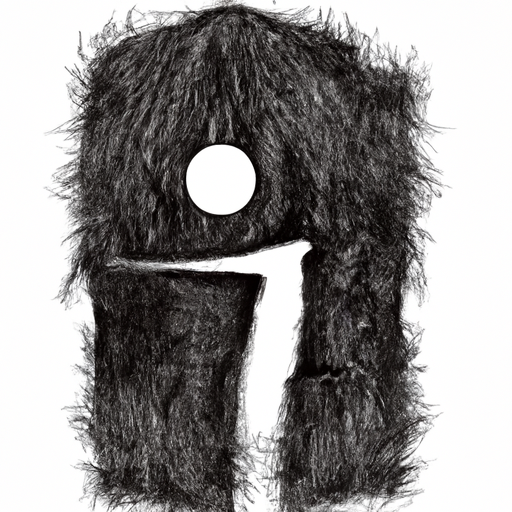
Example of visual style of Horror Fiction

Horror Fiction

Horror Fiction is a visual style that aims to depict fear, terror, and the supernatural in a captivating and unsettling manner. It gained popularity in the late 18th century with the emergence of Gothic literature, with influential works like Mary Shelley's 'Frankenstein' and Bram Stoker's 'Dracula'. This style became particularly famous during the 20th century with the rise of horror movies and iconic authors such as H.P. Lovecraft and Stephen King. Horror Fiction often employs dark and intense color palettes, dramatic lighting, grotesque and macabre imagery, and eerie atmospheres to evoke feelings of suspense and horror.

View StyleExplore Style
Example of visual style of HP Lovecraft

HP Lovecraft

HP Lovecraft is known for his unique style of cosmic horror. Born in 1890 and active in the early 20th century, Lovecraft's writings became famous for their eerie and macabre themes. His works centered around the idea that human knowledge and understanding is insignificant in the face of ancient and alien beings. Lovecraft's writing style often included detailed descriptions of bizarre and nightmarish creatures, landscape, and architecture, creating a sense of unease and dread.

View StyleExplore Style
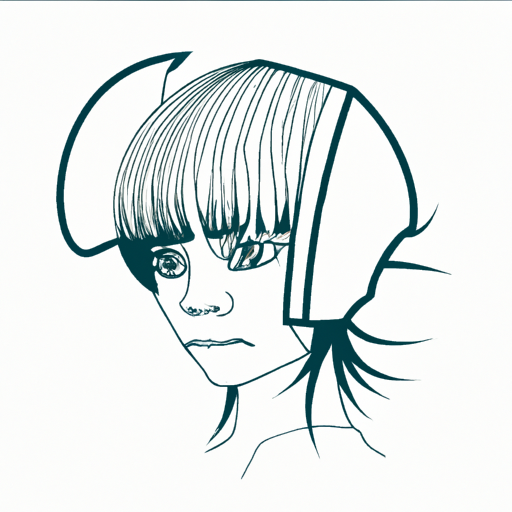
Example of visual style of Mark Ryden

Mark Ryden

Mark Ryden is an American painter and one of the prominent figures in the Pop Surrealism movement. His style combines elements of pop culture, old master techniques, and surrealism to create intricate and detailed paintings. Ryden's work gained significant attention in the early 2000s for its juxtaposition of innocence and darkness, often featuring young girls with enigmatic expressions surrounded by whimsical and macabre imagery. His attention to detail, use of soft colors, and meticulous craftsmanship have made him famous in the art world.

View StyleExplore Style
Example of visual style of The Munsters

The Munsters

The Munsters is a visual style that became famous in the 1960s. It is characterized by a mix of Gothic horror and slapstick comedy. The style is known for its macabre and Halloween-inspired aesthetics, featuring dark and eerie settings, spooky decorations, and characters with exaggerated features like pointed ears and sharp teeth. It gained popularity due to its unique blend of the horror genre with humor, as well as its satirical take on the typical American family sitcom.

View StyleExplore Style
Home