StylopediaStylopedia

Juxtaposition styles on Stylopedia

A visual encyclopedia of Juxtaposition styles – use as prompt inspiration for Midjourney, Gemini, or ChatGPT AI when making Juxtaposition images

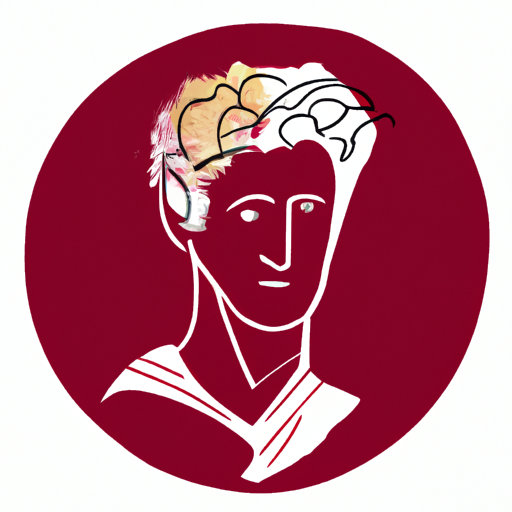
Example of visual style of Andre Breton

Andre Breton

Andre Breton is a visual style that originated in the 1920s with the Surrealist movement. It is characterized by dreamlike and imaginative imagery, often inspired by the subconscious. Breton, along with other artists and writers, sought to explore the realms of the unconscious mind to create works that challenged conventional ideas and norms. The style became famous for its use of juxtaposition, unexpected combinations, and strange or distorted forms. It was a revolution in artistic expression that transformed the art world.

View StyleExplore Style
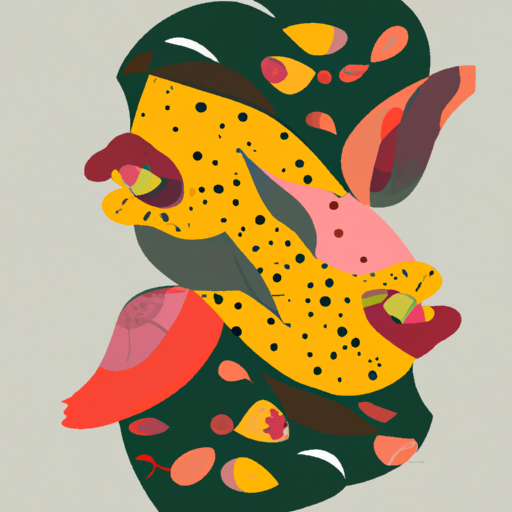
Example of visual style of Anselm Kiefer Exhibition

Anselm Kiefer Exhibition

Anselm Kiefer Exhibition is characterized by a unique and powerful visual style that combines elements of painting, sculpture, and installation art. It emerged in the late 20th century and became famous for its exploration of complex historical, mythological, and philosophical themes. Anselm Kiefer's works often evoke a sense of melancholy and contemplation, with large-scale and heavily textured pieces that incorporate a wide range of materials, such as lead, ash, straw, and glass. The exhibition showcases Kiefer's masterful use of symbolism, juxtaposition, and layering to convey deep emotional and intellectual messages.

View StyleExplore Style
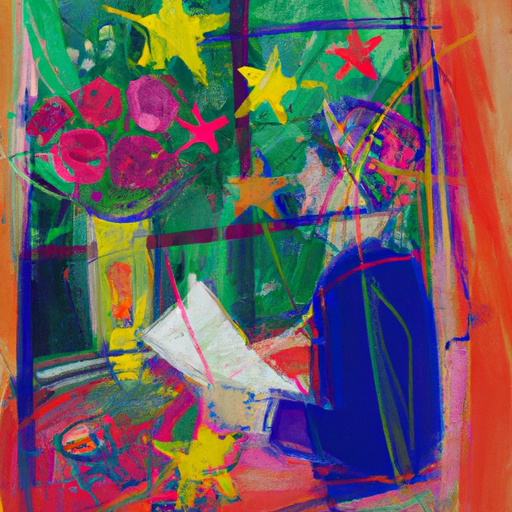
Example of visual style of Camille Rose Garcia

Camille Rose Garcia

Camille Rose Garcia is known for her dark and whimsical style, often depicting surreal and fantastical scenes with a combination of innocence and darkness. Her art is heavily influenced by fairy tales, vintage cartoons, and popular culture. Garcia gained recognition in the early 2000s, particularly with her illustrations for the book "Alice's Adventures in Wonderland". Her unique style, characterized by vibrant colors, intricate details, and juxtaposition of elements, has since gained a cult following.

View StyleExplore Style
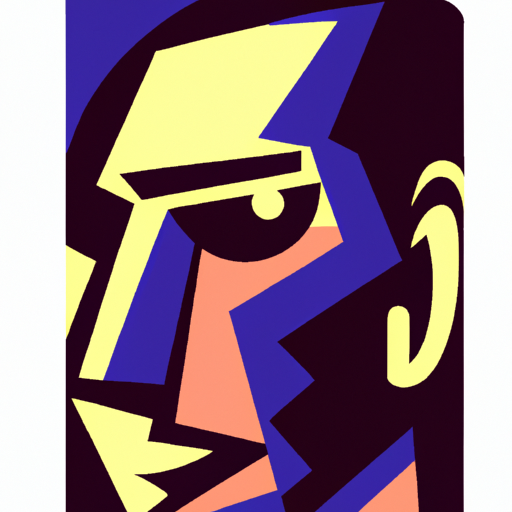
Example of visual style of David Byrne

David Byrne

The visual style of David Byrne is characterized by its bold, eclectic and unconventional nature. It emerged in the late 1970s and gained prominence during the 1980s. Known for his work as a musician, artist, and performer, David Byrne's visual style became famous through his collaborations with various artists and designers. Byrne's style is a fusion of avant-garde, post-punk, and pop art, incorporating elements of surrealism and minimalism. His use of vibrant colors, geometric patterns, and the juxtaposition of seemingly unrelated objects create visually captivating and thought-provoking compositions. This style gained a significant following due to its innovative and boundary-pushing approach to visual expression.

View StyleExplore Style
Example of visual style of David Lynch

David Lynch

David Lynch is a visionary filmmaker known for his unique and enigmatic visual style. His style emerged in the 1980s and gained widespread recognition through his acclaimed film 'Eraserhead' released in 1977 and the TV series 'Twin Peaks' in the early 1990s. Lynch's visual style is characterized by surrealism, psychological depth, and a sense of mystery. He often juxtaposes light and dark elements, creating a dreamlike atmosphere that blurs the lines between reality and imagination. Through the use of unconventional camera angles, eerie lighting, and haunting sound design, Lynch's work embodies a haunting and unsettling beauty.

View StyleExplore Style
Example of visual style of David Salle

David Salle

David Salle is known for his eclectic and postmodern visual style that emerged in the 1980s. His style incorporates a mix of images from various sources, including art history, advertising, and popular culture. Salle gained fame for his large-scale paintings that juxtapose and layer diverse visual elements, creating complex and often visually overwhelming compositions. His works are characterized by their fragmented narratives, vibrant colors, and a sense of dissonance and juxtaposition. David Salle's style became famous during the 1980s and continues to influence contemporary artists.

View StyleExplore Style
Example of visual style of Ray Gun Magazine

Ray Gun Magazine

Ray Gun Magazine was a visually striking and innovative music and pop culture magazine that gained popularity in the 1990s. Renowned for its provocative and experimental design, Ray Gun revolutionized the way magazines were perceived and created. It was founded in 1992 by art director David Carson, who became famous for his unconventional approach to typography and layout. The magazine was known for its chaotic yet cohesive design, combining bold and unpredictable typography, vibrant colors, and juxtaposed images. Ray Gun Magazine pushed the boundaries of traditional graphic design, inspiring a new generation of designers and influencing the visual style of the era.

View StyleExplore Style
Example of visual style of Sigmar Polke

Sigmar Polke

Sigmar Polke was a German painter known for his unconventional and experimental approach to art. His style emerged in the 1960s and became prominent in the following decades. Polke's work combined elements of Pop Art, Minimalism, and Conceptual Art. He often incorporated found images, newspaper prints, and unconventional materials into his paintings. His use of vibrant colors, juxtaposition of contrasting elements, and layering techniques became his signature. Sigmar Polke's style challenged traditional artistic conventions and explored themes of consumerism, politics, and social critique. His ability to blend different visual styles and techniques made him famous for his innovative and influential contributions to contemporary art.

View StyleExplore Style
Example of visual style of Surrealist Filmmakers

Surrealist Filmmakers

Surrealist Filmmakers is a visual style that emerged in the early 1920s, primarily associated with the surrealist movement led by André Breton. This style became famous for its exploration of dreams, subconscious mind, and irrational imagery in cinema. Surrealist Filmmakers challenged conventional storytelling techniques, embracing unconventional narrative structures, dream-like sequences, and juxtapositions of unrelated elements. Notable years for this style include the 1920s to the 1950s, with significant contributions from filmmakers such as Luis Buñuel, Salvador Dalí, and Jean Cocteau. The style gained popularity for its ability to create visually striking and thought-provoking films that aimed to free the audience from the constraints of logic and reason.

View StyleExplore Style
Home