StylopediaStylopedia

Japanese painting styles on Stylopedia

A visual encyclopedia of Japanese painting styles – use as prompt inspiration for Midjourney, Gemini, or ChatGPT AI when making Japanese painting images

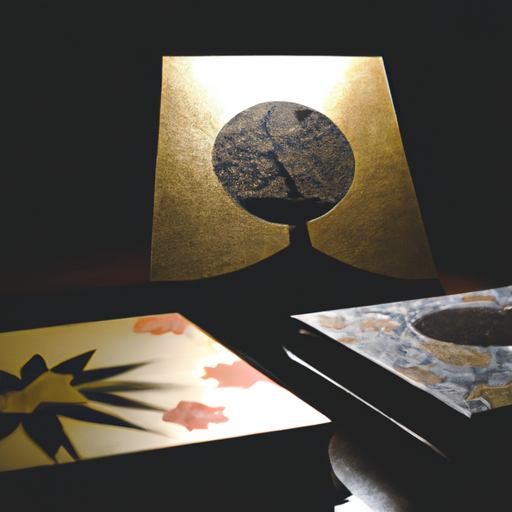
Example of visual style of Hishida Shunso

Hishida Shunso

Hishida Shunso was a Japanese painter known for his unique and innovative approach to traditional Japanese painting. Active during the late 19th and early 20th century, Hishida Shunso's style was marked by its delicate and intricate brushwork, as well as his use of vivid colors and a sense of realism. He is famous for his landscapes, especially his depictions of cherry blossoms and natural scenes of Japan. His work gained recognition and popularity during the Taisho period (1912-1926). Hishida Shunso's ability to capture the essence of a subject and convey emotions through his brushstrokes made him one of the most influential artists of his time and an important figure in Japanese art history.

View StyleExplore Style
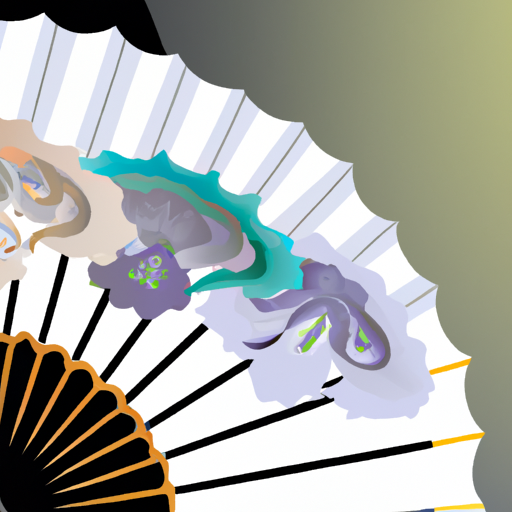
Example of visual style of Kano School

Kano School

The Kano School is a Japanese school of painting that flourished from the 16th to the 19th centuries. It became famous for its distinctive visual style blending traditional Japanese techniques with Chinese-inspired motifs. The style reached its peak during the Momoyama period (late 16th century) and the early Edo period (17th century), gaining recognition for its influence in the art world. The Kano School is renowned for its use of bold, vibrant colors, intricate details, and realistic depictions of nature. They often created large-scale works, including screens and sliding doors for temples, castles, and residences.

View StyleExplore Style
Example of visual style of Maruyama Kyo

Maruyama Kyo

Maruyama Kyo was a Japanese painter who lived from 1733 to 1795. He was a prominent figure in the Maruyama-Shijo school of painting during the late Edo period. Maruyama Kyo is known for his realistic and naturalistic style, which was a departure from the traditional formalism of the Kanō school. His art often depicted everyday scenes and ordinary people, capturing their expressions and emotions with great sensitivity. Maruyama Kyo's style became famous for its attention to detail and the ability to portray lifelike figures in a manner that was relatable to the viewers. His work had a significant influence on the development of modern Japanese painting.

View StyleExplore Style
Example of visual style of Maruyama Okyo

Maruyama Okyo

Maruyama Okyo was a prominent Japanese painter of the late 18th century. He is best known for founding the Maruyama-Shijo school, which made significant contributions to the development of nanga (literati painting) and ukiyo-e (woodblock prints) in Japan. Okyo's style combined traditional Japanese painting techniques with influences from Western realism, resulting in a unique and innovative approach to art. His works often depicted naturalistic subjects such as birds, animals, and landscapes, characterized by meticulous attention to detail and a sense of dynamism. Maruyama Okyo bridged the gap between traditional Japanese art and modern techniques, setting a new standard for Japanese painting.

View StyleExplore Style
Example of visual style of Tani Buncho

Tani Buncho

Tani Buncho was a prominent Japanese painter and poet during the Edo period (late 18th to early 19th century). His style of painting, known as 'Tani School', became famous for its bold brushwork and vibrant colors. Buncho was greatly influenced by Chinese literati painting, which emphasized capturing the essence of a subject rather than its realistic depiction. He blended this influence with his own innovative techniques, including the use of calligraphic brushstrokes and expressive lines. Tani Buncho's works often portrayed landscapes, birds, flowers, and mythical themes. His artistic contributions and unique style left a lasting impact on the Japanese art scene.

View StyleExplore Style
Example of visual style of Tawaraya Statu

Tawaraya Statu

Tawaraya Statu is a traditional Japanese painting style that emerged during the Heian period (794-1185). It is famous for its intricate and detailed representation of court nobles and aristocrats. The style became popular in the 11th century and was associated with the Tawaraya family, a renowned group of court painters. Tawaraya Statu is characterized by its delicate brushwork, vibrant colors, and exquisite attention to detail, capturing the elegance and grace of the aristocracy. The style flourished during the peak of Heian culture, reflecting the refined aesthetics and social hierarchy of the time.

View StyleExplore Style
Example of visual style of Tosa Mitsuoki

Tosa Mitsuoki

Tosa Mitsuoki was a Japanese painter from the Tosa school during the Edo period. Active from the late 17th century to the early 18th century, Tosa Mitsuoki is best known for his intricate and highly detailed paintings, which often depicted historical and mythological subjects. His works focused on traditional Japanese themes and were executed in a meticulous and sophisticated style. Tosa Mitsuoki's fame was largely due to his ability to incorporate both Chinese and Japanese painting techniques, creating a unique fusion that appealed to a wide audience. His work greatly influenced subsequent generations of artists and his legacy continues to be celebrated in the world of Japanese art.

View StyleExplore Style
Example of visual style of Tosa School

Tosa School

Tosa School refers to a distinctive style of Japanese painting that emerged in the late 14th century and continued to flourish until the early 19th century. This style originated in the Tosa Province, present-day Kochi Prefecture, and gained recognition during the Muromachi period (1336–1573). Tosa School paintings were primarily influenced by the yamato-e genre, known for its colorful and narrative representations of Japanese history, legends, courtly life, and classic literature. The Tosa School became famous for its refined and delicate depictions, with intricate details, elegant brushwork, and the use of gold leaf, creating a sense of luxury and sophistication.

View StyleExplore Style
Home