StylopediaStylopedia

Japanese art styles on Stylopedia

A visual encyclopedia of Japanese art styles – use as prompt inspiration for Midjourney, Gemini, or ChatGPT AI when making Japanese art images

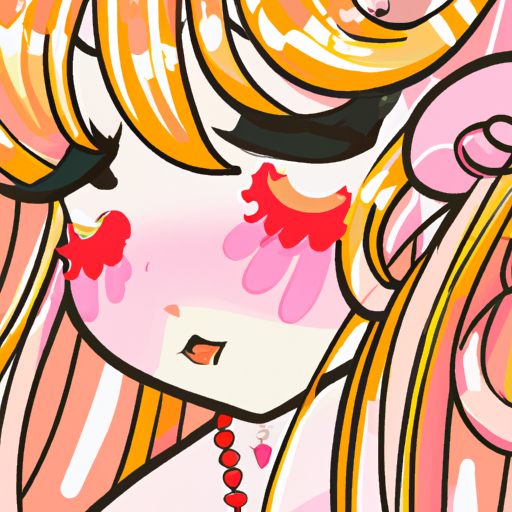
Example of visual style of Anime Style Graphics

Anime Style Graphics

Anime Style Graphics is a distinctive and popular style of animation originating from Japan. This style rose to prominence in the 1960s and has since become a global phenomenon. Known for its vibrant colors, exaggerated features, and expressive facial expressions, anime has captivated audiences with its unique storytelling and imaginative worlds. It combines elements of traditional Japanese art with influences from Western animation. Anime Style Graphics gained widespread recognition through iconic series like Dragon Ball, Sailor Moon, and Naruto, as well as films by renowned directors like Hayao Miyazaki. Its fusion of fantasy, action, and emotional depth continues to make it a celebrated and influential visual style worldwide.

View StyleExplore Style
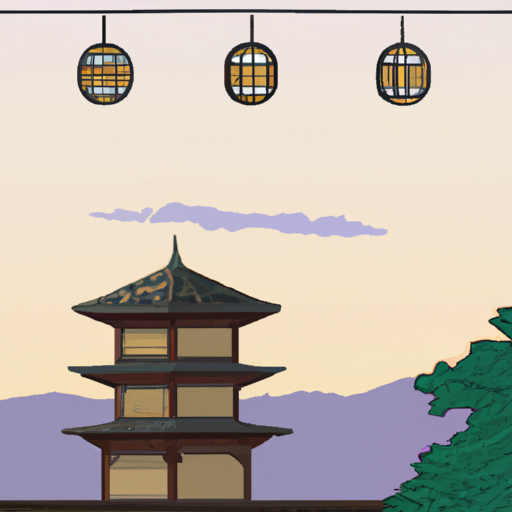
Example of visual style of Hasui Kawase

Hasui Kawase

Hasui Kawase was a Japanese artist known for his woodblock prints. Active during the early 20th century, particularly from the 1910s to the 1950s, Hasui's prints captured the beauty of landscapes and cityscapes in Japan. His style is characterized by delicate lines, vibrant colors, and a strong sense of atmosphere. He often depicted scenes during different seasons and weather conditions, showcasing the changing moods and ambiance of the landscapes. Hasui's prints became famous for their ability to evoke a sense of tranquility and nostalgia, making them highly sought after by art collectors and enthusiasts.

View StyleExplore Style
Example of visual style of Hirofumi Taniguchi

Hirofumi Taniguchi

Hirofumi Taniguchi is a Japanese artist known for his unique and vibrant visual style. His works emerged in the late 20th century and gained popularity in the 1990s. Taniguchi's style is characterized by bold and colorful compositions, intricate patterns, and a fusion of traditional Japanese art techniques with modern elements. His use of vibrant colors and intricate details captivates viewers and brings a sense of energy to his artwork. Taniguchi's work often explores themes of nature, mythology, and spirituality, creating a vivid and surreal visual experience.

View StyleExplore Style
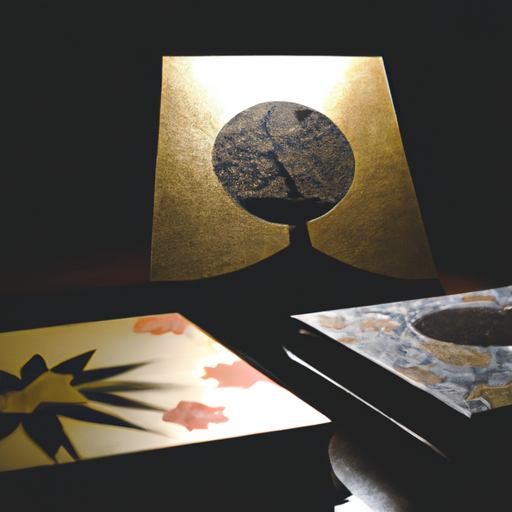
Example of visual style of Kako Ueda

Kako Ueda

Kako Ueda is a Japanese contemporary artist known for her intricate paper cut artworks. She gained popularity in the early 2000s for her unique approach to paper cutting that incorporates elements of traditional Japanese art and folklore. Her works are characterized by delicate and intricate details, often depicting natural motifs and mythological creatures. Ueda's paper cut artworks have been exhibited internationally and have been the subject of numerous solo and group exhibitions.

View StyleExplore Style
Example of visual style of Kamisaka Sekka

Kamisaka Sekka

Kamisaka Sekka was a prominent Japanese artist and designer who played a major role in the late 19th and early 20th-century design movements in Japan. His style, known as 'Rimpa', combined traditional Japanese painting techniques with modern elements, creating bold and vibrant compositions. Sekka's works became famous for their striking use of colors and intricate patterns influenced by nature, such as flowers, birds, and landscapes. His art gained international recognition when he participated in the 1900 Paris Exposition, where he showcased his unique interpretation of the Rimpa style.

View StyleExplore Style
Example of visual style of Masanobu Torii

Masanobu Torii

Masanobu Torii is a Japanese artist known for his vibrant and detailed woodblock prints. Active in the late 19th and early 20th century, Torii became famous for his depictions of daily life, actors, and landscapes in the ukiyo-e style. His prints often featured bold colors, intricate patterns, and dynamic compositions, reflecting the liveliness and energy of the Meiji era in Japan. Masanobu Torii's works made a significant impact on the development of ukiyo-e and continue to be admired for their technical skill and aesthetic beauty.

View StyleExplore Style
Example of visual style of Tadanori Yokoo

Tadanori Yokoo

Tadanori Yokoo is a Japanese graphic designer and artist known for his psychedelic and surreal visual style. His work emerged in the 1960s and became famous for its vibrant colors, bold compositions, and intricate details. Yokoo's designs often combine traditional Japanese art motifs with Western pop culture references, creating a unique and dynamic aesthetic. His use of collage, typography, and symbolism became iconic and influential in the world of graphic design.

View StyleExplore Style
Example of visual style of Tawaraya Sotatsu

Tawaraya Sotatsu

Tawaraya Sotatsu was a Japanese artist active during the early 17th century. He is best known for his innovative and influential style which combined traditional Japanese techniques with new artistic approaches. Sotatsu's works often featured bold and vivid colors, intricate patterns, and a sense of dynamic movement. His distinctive style gained popularity during the Momoyama period (late 16th to early 17th centuries) and continued to be influential during the Edo period (17th to 19th centuries). Sotatsu's unique fusion of traditional Japanese aesthetics with experimental techniques made him famous both during his time and in later years.

View StyleExplore Style
Example of visual style of Tawaraya Statsu

Tawaraya Statsu

Tawaraya Statsu is a traditional Japanese art style that emerged in the Heian period (794-1185). It is famous for its intricate and highly detailed illustrations, characterized by the use of vibrant colors, exaggerated features, and elements of fantasy. The style gained prominence during the Edo period (1603-1868) when Tawaraya Sotatsu, a renowned Japanese painter, started incorporating the style into his works. Tawaraya Statsu became famous for its distinctive depictions of mythical creatures, deities, and scenes from Japanese folklore. The style continues to inspire contemporary artists and designers.

View StyleExplore Style
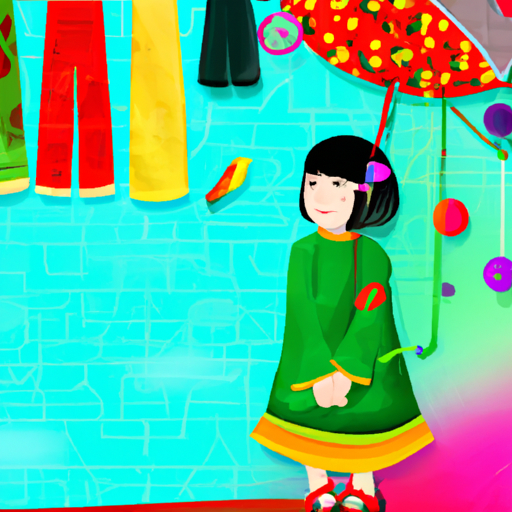
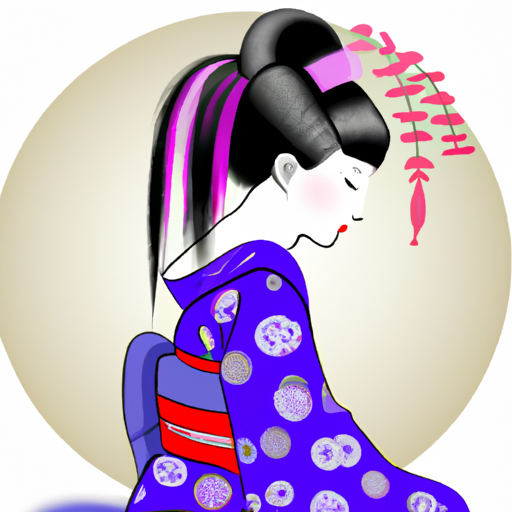
Example of visual style of Utamaro Kitagawa

Utamaro Kitagawa

Utamaro Kitagawa was a Japanese ukiyo-e artist who rose to prominence during the late 18th century. His visual style is characterized by intricate details, delicate lines, and a focus on portraying the beauty of women. Utamaro's fame is attributed to his skill in capturing the essence and grace of his subjects, particularly courtesans and geisha. His works, created mainly between 1775 and 1806, became widely popular and influential in the world of ukiyo-e prints.

View StyleExplore Style
Example of visual style of Yoshiyuki Sadamoto

Yoshiyuki Sadamoto

Yoshiyuki Sadamoto is a Japanese artist and character designer known for his distinct visual style. His style emerged in the 1980s and became particularly famous through his work on the anime series 'Neon Genesis Evangelion' (1995-1996). Sadamoto's style is characterized by clean lines, vibrant colors, and a unique blend of realism and stylization. His ability to capture emotions and express them through his character designs has contributed to his popularity and recognition in the industry.

View StyleExplore Style
Example of visual style of Yuko Shimizu

Yuko Shimizu

Yuko Shimizu is a renowned Japanese illustrator known for her distinctive, bold, and intricate illustrations. Her style emerged in the early 2000s and quickly gained recognition for its unique blend of traditional Japanese art and contemporary graphic design. Shimizu's work is characterized by its dynamic compositions, vibrant color palettes, and attention to detail. Her illustrations often feature strong female protagonists and incorporate elements of Japanese folklore, pop culture, and urban aesthetics. Yuko Shimizu's artistic talent and innovative approach have made her a prominent figure in the world of illustration and design.

View StyleExplore Style

Home