StylopediaStylopedia

Japanese animation styles on Stylopedia

A visual encyclopedia of Japanese animation styles – use as prompt inspiration for Midjourney, Gemini, or ChatGPT AI when making Japanese animation images

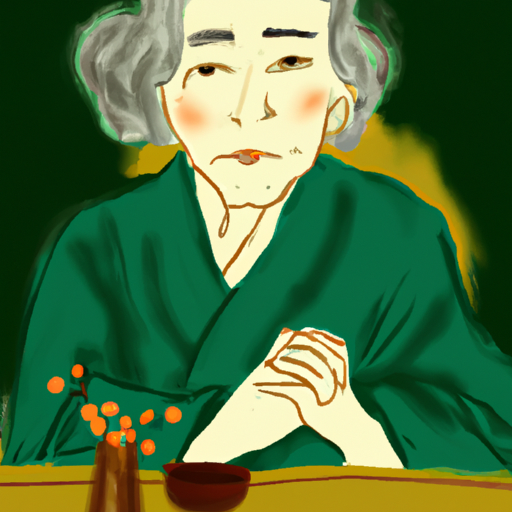
Example of visual style of Anime Artists

Anime Artists

Anime Artists is a visual style that originated in Japan in the early 20th century and became popular worldwide by the mid-20th century. This style is characterized by its distinctive exaggerated features, vibrant colors, and often fantastical themes. Anime Artists gained popularity through the rise of Japanese animation and manga, with notable years being around the 1950s and 1960s. What made this style famous is its ability to capture emotions and dynamic movements in a visually striking manner, as well as its unique storytelling techniques. It has since become a global phenomenon, inspiring countless artists and animators around the world.

View StyleExplore Style
Example of visual style of Anime Directors

Anime Directors

Anime Directors is a visual style rooted in the world of Japanese animation. It emerged in the mid-20th century and gained global recognition in the late 20th and early 21st centuries. Anime Directors are known for their unique storytelling techniques, distinct character designs, vibrant color palettes, and often fantastical and imaginative worlds. This style became famous for its ability to captivate audiences with emotionally-driven narratives, complex themes, and visually stunning animation. Some notable years for Anime Directors include the 1980s and 1990s, featuring works by influential directors like Hayao Miyazaki and Mamoru Oshii. This style continues to evolve and inspire artists and filmmakers worldwide.

View StyleExplore Style
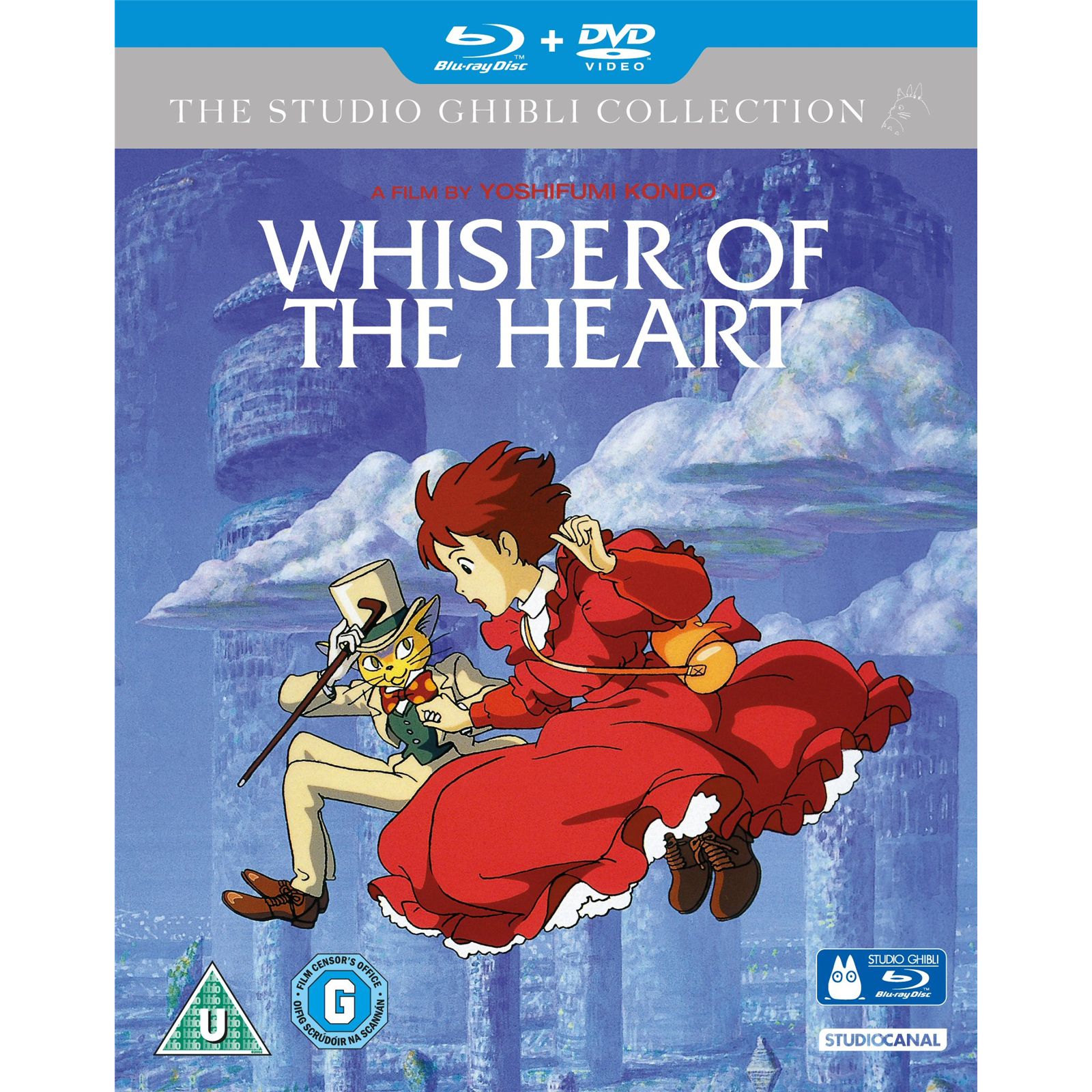
Example of visual style of Ghibli Studio

Ghibli Studio

Ghibli Studio is a renowned Japanese animation studio that became popular in the late 20th century. It was founded in 1985 by Hayao Miyazaki and Isao Takahata. Ghibli Studio is famous for its visually stunning and emotionally captivating animated films. Their movies, such as 'My Neighbor Totoro', 'Princess Mononoke', and 'Spirited Away', have gained worldwide recognition for their creative storytelling, imaginative worlds, and attention to detail. The studio's unique animation style combines hand-drawn and digital techniques to create a distinct and enchanting visual experience. The films often explore themes of nature, identity, and human relationships, captivating audiences of all ages.

View StyleExplore Style
Example of visual style of Magical Girl Genre

Magical Girl Genre

The Magical Girl Genre is a visual style that emerged in Japanese animation and manga in the 1960s and became famous in the 1990s. It features young girls who transform into powerful heroines to combat evil. The style is characterized by vibrant and colorful artwork, cute and youthful character designs, and elaborate costumes. The genre gained popularity with iconic series like Sailor Moon and Cardcaptor Sakura, which showcased the magical transformation sequences, friendship themes, and strong female protagonists.

View StyleExplore Style
Example of visual style of Mecha Anime

Mecha Anime

Mecha Anime is a visual style that is characterized by giant robotic machines, known as mecha, as a prominent feature. It originated in Japan and became popular in the late 1970s and 1980s. Mecha Anime gained fame through its intricate and detailed designs of these machines, often piloted by human characters. The style became famous for its thrilling action sequences, futuristic settings, and exploration of moral and ethical dilemmas. Mecha Anime has since become a staple in Japanese animation, inspiring numerous series, films, and video games.

View StyleExplore Style
Example of visual style of Yichi Kotabe

Yichi Kotabe

Yichi Kotabe is a Japanese animator known for his distinctive visual style that emerged in the 1980s. His work became famous for its vibrant colors, detailed backgrounds, and expressive character designs. Kotabe's animation became instantly recognizable due to its delicate hand-drawn aesthetic and emphasis on fluid movements. His collaborations with renowned directors and studios, such as Hayao Miyazaki and Studio Ghibli, further contributed to the popularity of his unique style.

View StyleExplore Style
Home