
StylopediaStylopedia

Japan styles on Stylopedia

A visual encyclopedia of Japan styles – use as prompt inspiration for Midjourney, Gemini, or ChatGPT AI when making Japan images

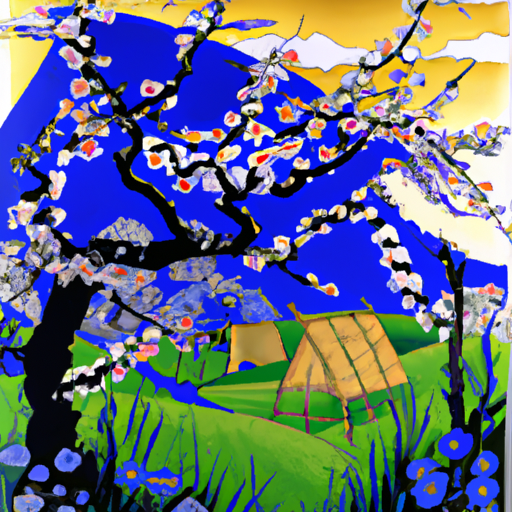
Example of visual style of Edo Period Art

Edo Period Art

Edo Period Art refers to the artistic style that emerged during the Edo period in Japan, which spanned from 1603 to 1868. This period is also known as the Tokugawa period, named after the ruling Tokugawa shogunate. Edo Period Art is famous for its vivid and detailed depictions of various subjects such as landscapes, nature, daily life, kabuki theater, and ukiyo-e (woodblock prints). These artworks often showcased a combination of meticulous craftsmanship, vibrant colors, and a keen observation of the natural world. Edo Period Art played a crucial role in shaping the cultural and aesthetic identity of Japan during this time.

View StyleExplore Style
Example of visual style of Lady Murasaki Shikibu

Lady Murasaki Shikibu

Lady Murasaki Shikibu is known for her exquisite calligraphy and intricate hand-painted illustrations. This visual style emerged during the Heian period in Japan, particularly between the years 1008 and 1010, when Lady Murasaki Shikibu wrote 'The Tale of Genji'. The art in this style is characterized by delicate brushwork, rich color palettes, and meticulous attention to detail. Lady Murasaki Shikibu's illustrations elevated the art of storytelling, and her work continues to be celebrated for its beauty and elegance.

View StyleExplore Style
Example of visual style of Manga Artists

Manga Artists

Manga Artists is a visual style that originates from Japan and is characterized by its unique comic book-like illustrations. It became popular in the late 20th century and continues to be influential today. Manga Artists gained fame through the publication of popular manga series such as Dragon Ball, One Piece, and Naruto which introduced dynamic characters, exaggerated expressions, and intricate storytelling. This style often features large, expressive eyes, vibrant colors, and stylized hair and costumes.

View StyleExplore Style
Example of visual style of Tshsai Sharaku

Tshsai Sharaku

Tshsai Sharaku is a style of woodblock print that emerged in Japan during the late 18th century. It is known for its striking and unconventional portraits of kabuki actors. The style was popular for a brief period, from 1794 to 1795, and then disappeared for nearly two centuries. The distinctive features of Tshsai Sharaku prints are exaggerated facial expressions, exaggerated body proportions, and a focus on capturing the unique characteristics and emotions of the actors. The style gained fame due to its bold and stylized approach to portraiture, and it remains highly regarded in the history of Japanese art.

View StyleExplore Style
Home