StylopediaStylopedia

Italian Renaissance styles on Stylopedia

A visual encyclopedia of Italian Renaissance styles – use as prompt inspiration for Midjourney, Gemini, or ChatGPT AI when making Italian Renaissance images

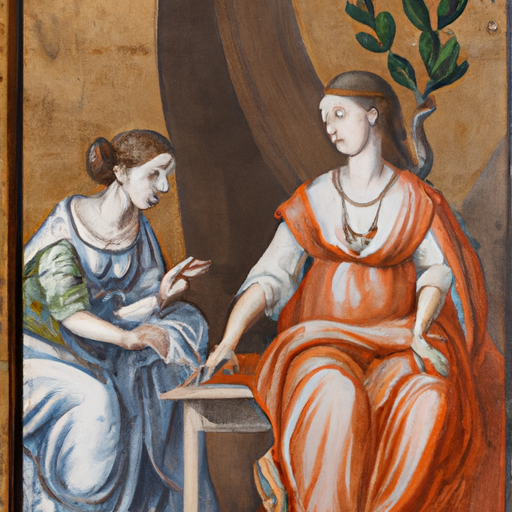
Example of visual style of Botticelli

Botticelli

Botticelli is a visual style associated with the Italian Renaissance painter Sandro Botticelli. It flourished during the 15th century in Florence, Italy. Botticelli's art is characterized by delicate and graceful figures, ethereal beauty, flowing drapery, and idealized landscapes. His most famous works, such as 'The Birth of Venus' and 'Primavera,' showcase his meticulous attention to detail and vibrant use of colors, capturing the essence of Renaissance humanism and mythology.

View StyleExplore Style
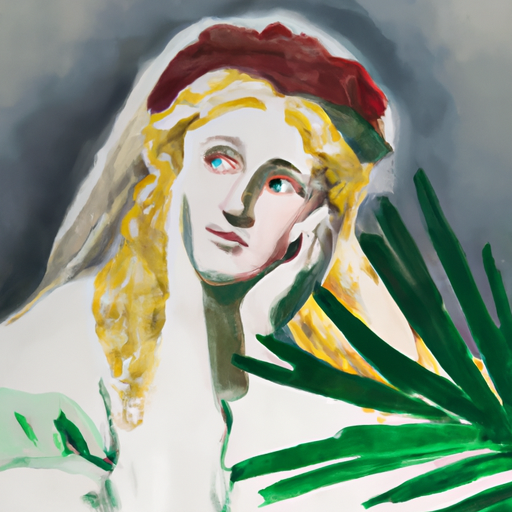
Example of visual style of Donatello

Donatello

Donatello is a visual style that emerged during the Italian Renaissance in the 15th century. This style is named after the renowned Italian sculptor Donatello, who was one of the leading artists of the period. Donatello's innovative techniques and exceptional attention to detail made his works famous and influential. His sculptures displayed a remarkable sense of realism and a deep understanding of anatomy. Donatello's works were characterized by their grace, naturalism, and emotive expressions, which set a new standard for artistic representation during the Renaissance.

View StyleExplore Style
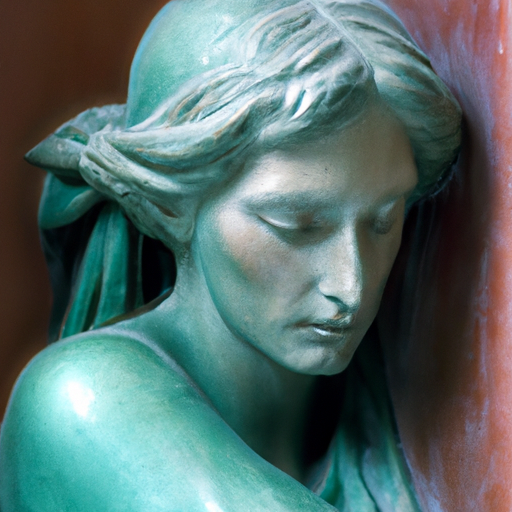
Example of visual style of Giotto Di Bondone

Giotto Di Bondone

Giotto Di Bondone was an Italian painter during the late Middle Ages. He is considered one of the pioneers of the Renaissance art movement. Giotto's style marked a significant departure from the flatness and stylization of Byzantine art that dominated the period. He introduced a more naturalistic approach and three-dimensional space in his paintings, which had a profound influence on subsequent artists. Giotto's frescoes in the Scrovegni Chapel in Padua, completed around 1305, brought him great recognition and are renowned for their emotional depth and realism.

View StyleExplore Style
Example of visual style of Giovanni Bellini

Giovanni Bellini

Giovanni Bellini was an Italian Renaissance painter known for his luminous and atmospheric style. Active during the late 15th and early 16th centuries, Bellini's works are characterized by his exquisite attention to detail, vibrant colors, and skillful use of light and shadow. He is renowned for his religious paintings, particularly his Madonnas, which often feature rich landscapes as backdrops. Bellini's ability to create a sense of depth and spirituality through his use of color and composition has made him one of the most influential painters of his time.

View StyleExplore Style
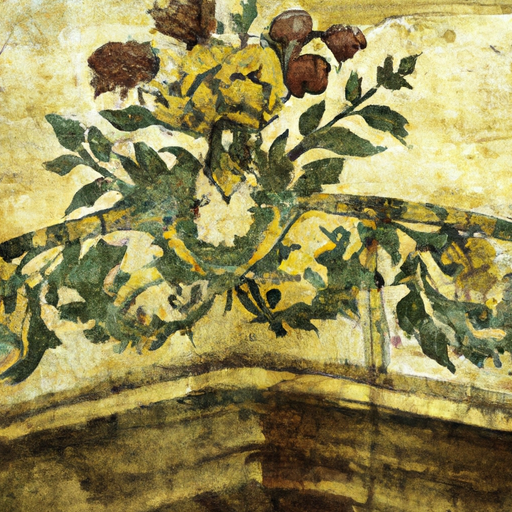
Example of visual style of Masaccio

Masaccio

Masaccio was an Italian Renaissance painter known for his realistic depiction of figures, his use of perspective, and his focus on naturalism and emotional expression. Active in the early 15th century, Masaccio's works revolutionized the art world with his innovative use of perspective and his emphasis on human anatomy, light, and shadow. His famous frescoes in the Brancacci Chapel, such as 'The Expulsion from the Garden of Eden' and 'The Tribute Money', showcased his mastery in creating three-dimensional space and his ability to convey dramatic narratives.

View StyleExplore Style
Example of visual style of Raphael

Raphael

Raphael is an Italian Renaissance visual style that emerged in the early 16th century. It is named after the renowned Italian painter and architect, Raffaello Sanzio da Urbino, commonly known as Raphael. This style was particularly famous during the High Renaissance period (1500-1520) in Italy. Raphael's style was characterized by its harmonious compositions, idealized figures, and naturalistic representations. His use of perspective, classical influences, and attention to detail brought a sense of balance, beauty, and grace to his paintings, which made him one of the most celebrated artists of his time.

View StyleExplore Style
Home