StylopediaStylopedia

Italian styles on Stylopedia

A visual encyclopedia of Italian styles – use as prompt inspiration for Midjourney, Gemini, or ChatGPT AI when making Italian images

Example of visual style of Giallo Films

Giallo Films

Giallo Films is an Italian genre of thriller and horror movies that emerged in the late 1960s and gained popularity in the 1970s. It is characterized by its intense use of stylized visuals, bright and vivid colors, intricate and convoluted plots, psychological and supernatural elements, as well as shocking scenes of violence and eroticism. Giallo Films often feature a masked killer and explore themes of mystery, murder, and detective investigation. The genre is known for its distinctive blend of suspenseful storytelling, atmospheric cinematography, and haunting musical scores. Giallo Films were highly influential in shaping the modern slasher and psychological horror genres.

View StyleExplore Style
Example of visual style of Jacopo Pontormo

Jacopo Pontormo

Jacopo Pontormo was an Italian painter from the late Renaissance period. He was active in the early 16th century, particularly between 1512 and 1557. Pontormo's style is characterized by his use of vibrant and intense colors, elongated proportions, complex compositions, and a sense of emotional intensity and drama. His works often depict religious and mythological subjects, with a focus on expressing inner turmoil and psychological tension. Pontormo's art is famous for its innovative approach to form and composition, which had a profound influence on the development of Mannerism.

View StyleExplore Style
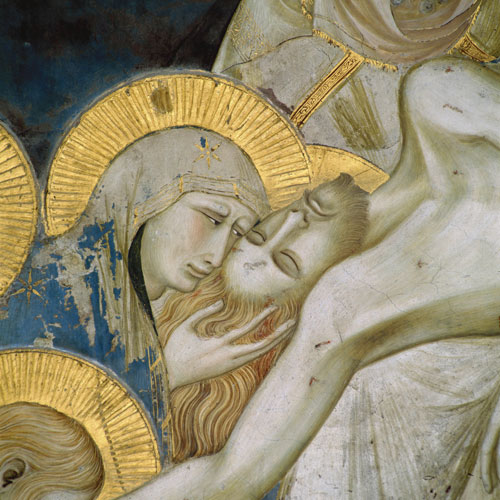
Example of visual style of Michelangelo Antonioni

Michelangelo Antonioni

Michelangelo Antonioni was an Italian film director known for his distinctive visual style. His style is characterized by long, static shots, careful composition, and meticulous attention to detail. Antonioni's films often explored themes of alienation, isolation, and the disconnection between individuals in modern society. He gained fame in the 1960s with films such as L'Avventura (1960), La Notte (1961), and L'Eclisse (1962), which challenged traditional narrative structures and emphasized mood and atmosphere over plot. Antonioni's style became iconic for its use of wide-angle lenses, color symbolism, and architectural framing. His films are known for their exquisite cinematography and their ability to capture emotional and existential complexity.

View StyleExplore Style
Example of visual style of Milo Manara

Milo Manara

Milo Manara is an Italian comic book artist known for his highly detailed and realistic style. His work is characterized by intricate linework, bold use of shadows, and meticulous attention to anatomy. Manara gained widespread recognition in the 1980s for his erotic and sensual illustrations, particularly in collaborations with writer Federico Fellini and filmmaker Alejandro Jodorowsky. His provocative and boundary-pushing art has made him a prominent figure in the erotic comics genre.

View StyleExplore Style
Example of visual style of Titian

Titian

Titian is a visual style developed by the Italian painter Tiziano Vecellio, known as Titian (1488-1576). This style emerged during the High Renaissance and continued to evolve during the Mannerist period. Titian's innovative use of color and brushwork, along with his ability to capture the human form with depth and emotion, made him one of the most influential artists of his time. His famous works include 'Bacchus and Ariadne' (1520-1523), 'Venus of Urbino' (1534), and 'The Assumption of the Virgin' (1516-1518). Titian's style is characterized by vibrant and luminous colors, skillful use of light and shadow, and a dynamic composition that creates a sense of movement and drama.

View StyleExplore Style
Example of visual style of Transavanguardia

Transavanguardia

Transavanguardia was an art movement in the 1980s that emerged in Italy. It gained prominence as a reaction against the conceptual art and minimalism of the previous decade. The style was famous for combining various artistic traditions with a bold and expressive approach. It emphasized a return to figurative painting and the use of vibrant colors, often with a primitive or naive aesthetic. Transavanguardia played a significant role in reviving interest in painting and reintroducing emotion and subjectivity into contemporary art.

View StyleExplore Style
Home