StylopediaStylopedia

Islamic art styles on Stylopedia

A visual encyclopedia of Islamic art styles – use as prompt inspiration for Midjourney, Gemini, or ChatGPT AI when making Islamic art images

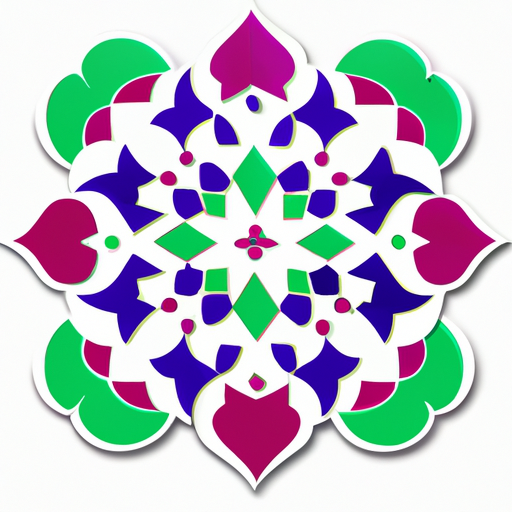
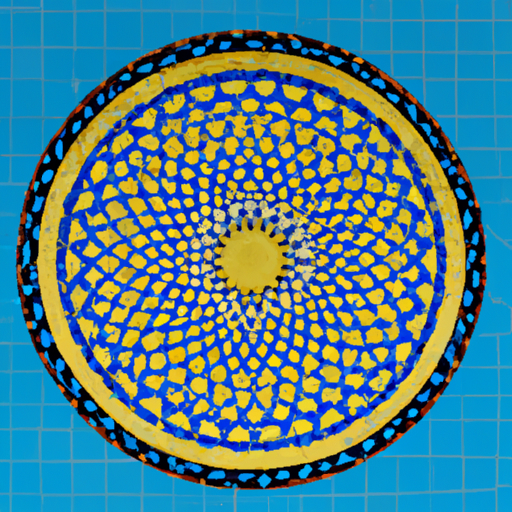
Example of visual style of Arabesque Design

Arabesque Design

Arabesque Design is a style characterized by intricate and ornate patterns influenced by Islamic art. It emerged during the Islamic Golden Age from the 8th to the 15th centuries. Arabesque patterns are famous for their elaborate intertwining vines, leaves, and floral motifs, often combined with geometric shapes. These designs became increasingly popular in architecture, textiles, pottery, and book illumination. Arabesque Design is known for its symmetrical and repetitive patterns, emphasizing the interplay of light and shadow on surfaces. It is considered one of the most important and enduring visual styles of Islamic art and has influenced numerous other artistic movements throughout history.

View StyleExplore Style
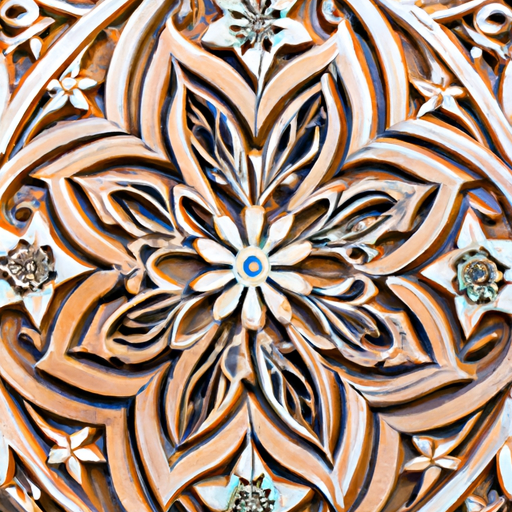
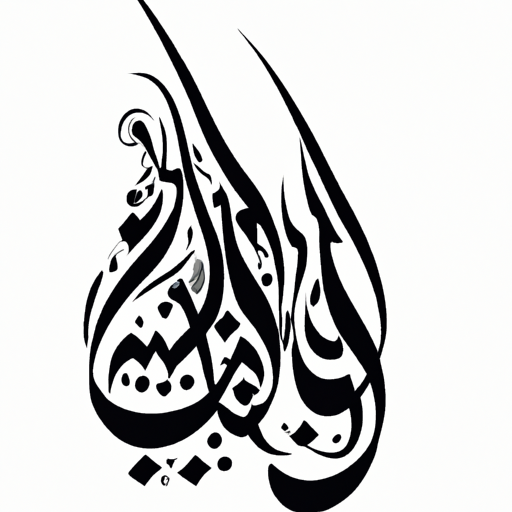
Example of visual style of Geometry In Islamic Art

Geometry In Islamic Art

Geometry in Islamic art refers to the use of intricate geometric patterns and designs in various art forms such as architecture, ceramics, and textiles. These geometric patterns are an important element of Islamic art and have been used since the 8th century. The use of geometry in Islamic art became famous due to its mathematical precision and aesthetic beauty. The symmetrical repetition of geometric shapes and the intricate interlacing patterns became iconic in Islamic art, representing the harmony and unity of the Islamic world.

View StyleExplore Style
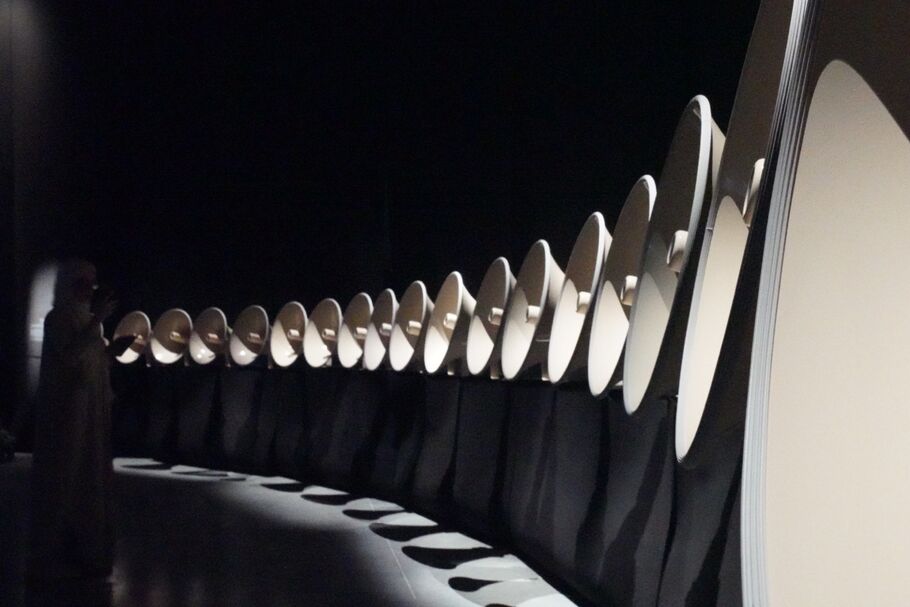
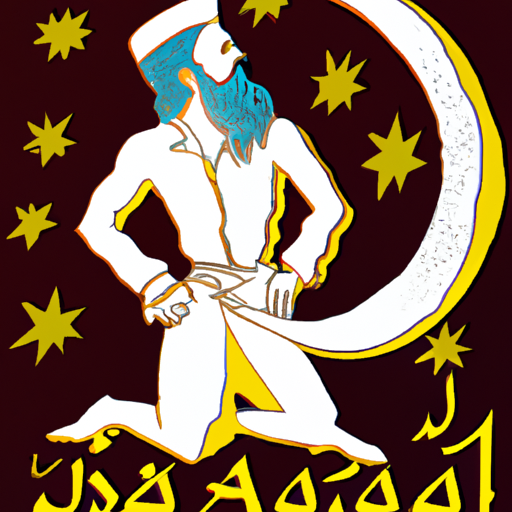
Example of visual style of Jafar Aladdin

Jafar Aladdin

The visual style ‘Jafar Aladdin’ emerged in the 1990s and gained popularity through its distinctive blend of Middle Eastern and Disney animations. This style is famous for its vibrant colors, intricate patterns, and exotic motifs, which were heavily influenced by Islamic art and architecture. It became widely recognized after the release of the Disney animated film 'Aladdin' in 1992, which prominently featured this style throughout its visuals, particularly in scenes involving the villainous character Jafar.

View StyleExplore Style
Home