StylopediaStylopedia

Islamic styles on Stylopedia

A visual encyclopedia of Islamic styles – use as prompt inspiration for Midjourney, Gemini, or ChatGPT AI when making Islamic images

Example of visual style of Akbar

Akbar

Akbar is a visual style that emerged in the late 16th century during the reign of Emperor Akbar in the Mughal Empire. It reached its peak between 1556 and 1605. This style is renowned for its intricate and detailed artwork, blending Persian, Indian, and Islamic influences. It is characterized by its vibrant colors, intricate patterns, and exquisite craftsmanship. The Akbar style became famous for its fusion of diverse artistic traditions and its emphasis on naturalistic details.

View StyleExplore Style
Example of visual style of Aladdin Film

Aladdin Film

The visual style of the Aladdin film is a vibrant and magical blend of Arabian and Islamic influences, characterized by intricate ornamentation, rich color palettes, and exotic landscapes. Released in 1992, Aladdin gained fame for its captivating animation and stunning visual effects, pushing the boundaries of traditional hand-drawn animation. The film's distinctive style was inspired by Islamic art and architecture, transporting viewers to a whole new world of fantasy and wonder.

View StyleExplore Style
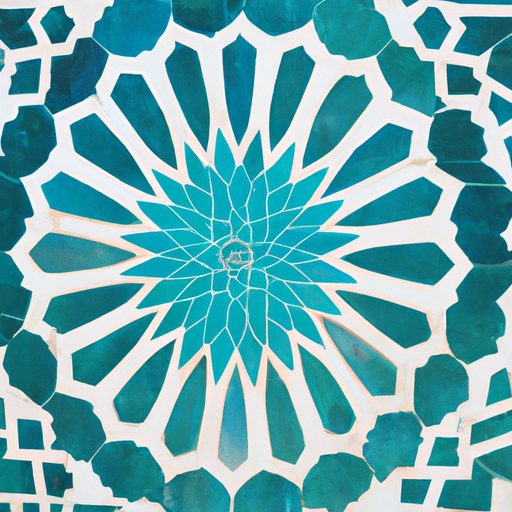
Example of visual style of Central Asian Art

Central Asian Art

Central Asian Art refers to the visual style that emerged in the Central Asian region, encompassing countries such as Kazakhstan, Kyrgyzstan, Tajikistan, Turkmenistan, and Uzbekistan. This style developed over centuries and reached its peak during the Islamic Golden Age (8th to 14th centuries) and the Timurid Empire (14th to 15th centuries). Central Asian Art is famous for its intricate geometric patterns, vibrant colors, and richly ornamented composition. It is heavily influenced by the Islamic artistic traditions, combining elements of Persian, Arab, and Turkic cultures. This art style is known for its use of calligraphy, ceramics, metalwork, textiles, and architecture.

View StyleExplore Style
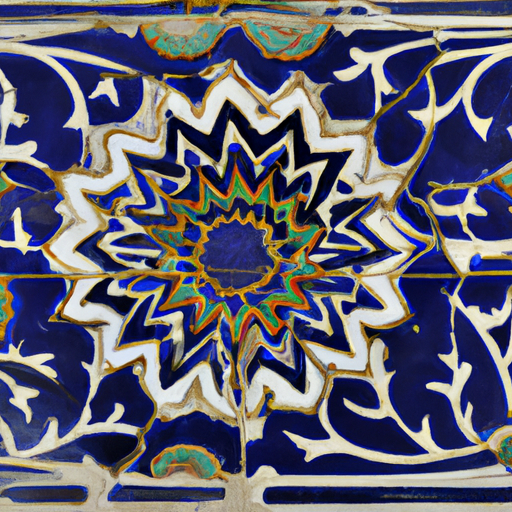
Example of visual style of Islamic Architecture

Islamic Architecture

Islamic Architecture is a distinct architectural style that emerged in the 7th century and continues to be influential today. It is characterized by its emphasis on geometric patterns, ornate calligraphy, and intricate tilework. The architectural style became famous during the golden age of Islamic civilization from the 9th to the 13th century, when magnificent structures such as the Great Mosque of Cordoba and the Alhambra were built. Islamic Architecture is known for its use of domes, arches, and minarets, as well as its unique blend of artistic and architectural elements from various regions such as the Middle East, North Africa, and Spain.

View StyleExplore Style
Example of visual style of Islamic Art

Islamic Art

Islamic Art refers to the artistic traditions and designs that emerged in the Islamic world from the 7th century onwards and continue to be created today. This diverse style encompasses a wide range of mediums, including calligraphy, geometric patterns, arabesques, and intricate floral motifs. Islamic Art is characterized by its emphasis on intricate ornamentation, exquisite craftsmanship, and the prohibition of depicting human figures. Significant periods in Islamic Art include the Umayyad, Abbasid, Mughal, and Safavid eras. The art form gained worldwide recognition through its use in architectural wonders such as the Alhambra in Spain and the Taj Mahal in India.

View StyleExplore Style
Example of visual style of Islamic Calligraphy

Islamic Calligraphy

Islamic Calligraphy is a beautiful and intricate style of writing that has been an important art form in Islamic cultures for centuries. It emerged around the 7th century AD and reached its peak during the 9th to 14th centuries. This style of calligraphy became famous through its use in religious texts such as the Quran, as well as in architectural decorations, manuscripts, and other art forms. Islamic Calligraphy is known for its strong emphasis on geometric patterns, fluidity of strokes, and intricate design. The skillful combination of letters and words creates a visual representation of the divine word. Through its rich history and cultural significance, Islamic Calligraphy has become an iconic symbol of Islamic art and is revered for its beauty and spirituality.

View StyleExplore Style
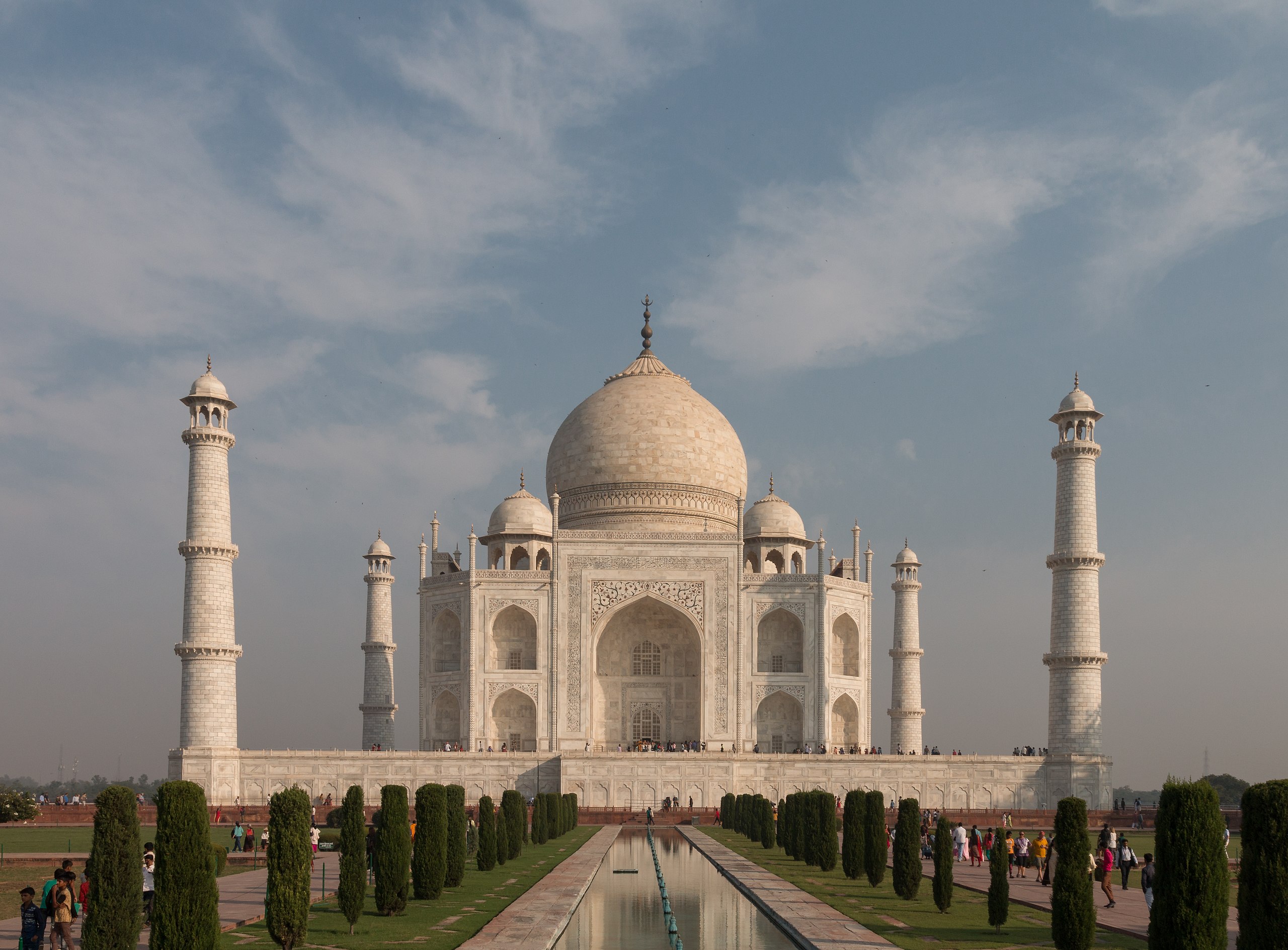
Example of visual style of Middle Eastern Art

Middle Eastern Art

Middle Eastern Art refers to the visual style of art that originates from the Middle East region. It encompasses various forms of art including traditional Islamic art, calligraphy, miniature painting, mosaic art, and more. Middle Eastern Art has a rich history and dates back to ancient civilizations like Mesopotamia and Egypt. It reached its peak during the Islamic Golden Age (8th to 14th centuries) when Islamic art and architecture flourished, characterized by intricate geometric patterns, arabesque designs, and ornate calligraphy. It has been highly influential in shaping the art world, known for its vibrant colors, detailed craftsmanship, and the fusion of religious, cultural, and regional influences.

View StyleExplore Style
Example of visual style of Mughal Empire

Mughal Empire

The Mughal Empire visual style encompasses the art and architecture of the Mughal dynasty in South Asia during the 16th to 19th centuries. This style reached its peak during the reign of Emperor Akbar (1556-1605) and Emperor Shah Jahan (1628-1658). The Mughal Empire is famous for its intricate ornamentation, refined craftsmanship, and fusion of Persian, Islamic, and indigenous Indian styles. Notable features include symmetrical layouts, exquisite calligraphy, detailed miniature paintings, monumental architecture such as the Taj Mahal, and the use of precious materials like marble and semi-precious stones.

View StyleExplore Style
Home