
Arthur Streeton
Arthur Streeton was an Australian Impressionist painter who was known for his use of light and color to capture the Australian landscape. His work gained popularity in the late 19th and early 20th centuries.
View StyleExplore Style Stylopedia
A visual encyclopedia of Impressionism styles – use as prompt inspiration for Midjourney, Gemini, or ChatGPT AI when making Impressionism images
Arthur Streeton was an Australian Impressionist painter who was known for his use of light and color to capture the Australian landscape. His work gained popularity in the late 19th and early 20th centuries.
View StyleExplore Style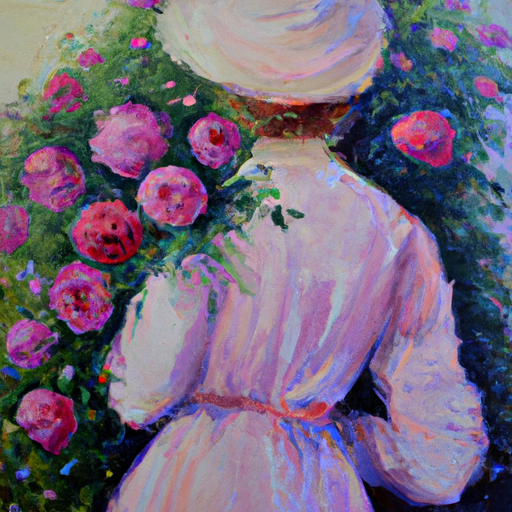
Auguste Renoir was a French Impressionist painter known for his vibrant and expressive style. His most famous works were created in the late 19th and early 20th century. Renoir's style became famous for its use of loose brushstrokes, bright colors, and an emphasis on capturing the fleeting moments of everyday life and natural light.
View StyleExplore Style
Australian Impressionism, also known as the Heidelberg School, emerged in Australia in the late 19th century. Artists focused on capturing the effects of light and atmosphere, often painting en plein air. The style became famous for its emphasis on natural landscapes and everyday scenes.
View StyleExplore Style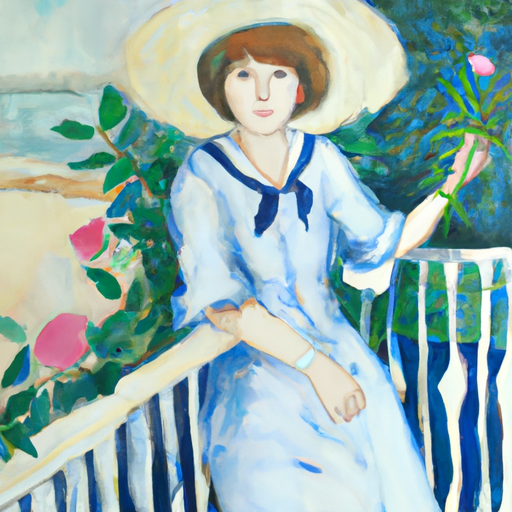
Berthe Morisot was one of the leading figures of Impressionism during the late 19th and early 20th centuries. Her style is characterized by the use of loose brushwork, bright colors, and an emphasis on capturing the fleeting effects of light. Morisot's work often depicted intimate scenes of domestic life and landscapes, showcasing her ability to convey a sense of atmosphere and emotion through her brushstrokes. She gained fame for her unique perspective as a female artist in a male-dominated field and for her significant contributions to the Impressionist movement.
View StyleExplore Style
Camille Corot was a French landscape painter who was a pivotal figure in the early development of Impressionism. His style is characterized by soft, delicate brushwork and a subtle tonal range. Corot's paintings often depict tranquil scenes of nature, capturing the fleeting effects of light and atmosphere. His influential works from the mid-19th century contributed to the rise of the Impressionist movement in the following decades.
View StyleExplore Style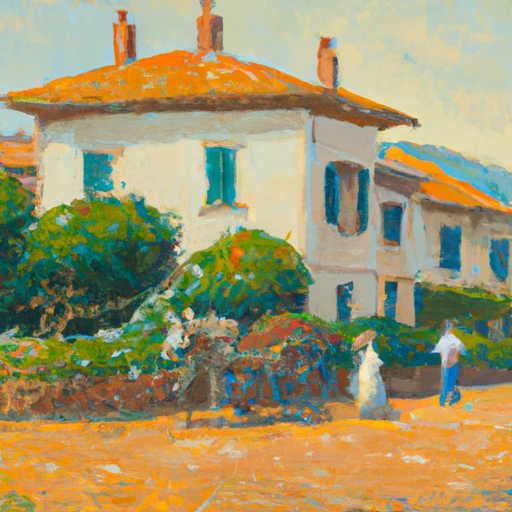
Camille Pissarro was a French Impressionist and Neo-Impressionist artist known for his landscape and urban scenes. Active during the late 19th century, Pissarro's work depicted the natural beauty of rural and urban settings with loose brushstrokes and luminous colors. He often captured the changing atmospheric conditions and light effects of different seasons. Pissarro's innovative artistic style and his role as a mentor to younger artists played a significant role in the development and popularization of Impressionism.
View StyleExplore Style
Charles Franois Daubigny was a French painter known for his landscapes and outdoor scenes, primarily painted en plein air. He was a precursor to the Impressionist movement, influencing artists like Monet and Pissarro.
View StyleExplore Style
Childe Hassam was a prominent American Impressionist painter known for his use of bright colors, loose brushstrokes, and capturing the essence of light. His work was popular in the late 19th and early 20th centuries.
View StyleExplore Style
Claude Monet was a prominent figure in Impressionism, a revolutionary artistic movement that emerged in the late 19th century. His style is characterized by loose brushwork, vibrant colors, and an emphasis on capturing the fleeting effects of light and atmosphere. Monet's famous works, such as 'Impression, Sunrise' (1872), showcased his unique ability to depict the ever-changing nature of landscapes and seascapes. His innovative approach to painting made him a pioneer of modern art.
View StyleExplore Style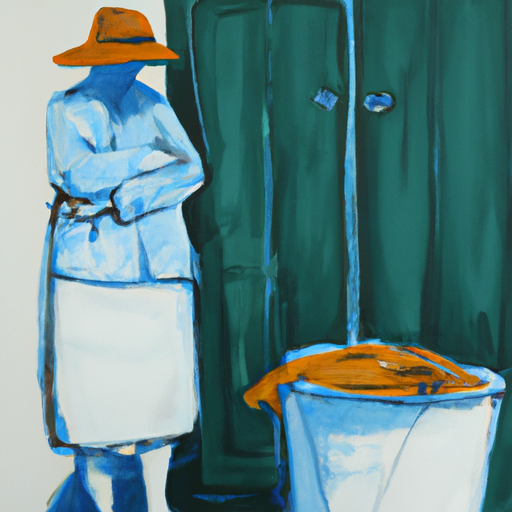
Edouard Manet was a French modernist painter of the 19th century. He was one of the most influential artists in the transition from Realism to Impressionism. Manet's visual style, prominent during the 1860s and 1870s, was characterized by loose brushwork, unconventional compositions, and a keen observation of contemporary life in Paris. His works often depicted scenes of urban leisure, including cafes, dance halls, and boating parties. Manet's paintings, such as Luncheon on the Grass and Olympia, sparked controversy and shocked the conservative art establishment. His ability to capture the essence of modern society and challenge traditional art conventions made him a renowned figure in the art world.
View StyleExplore Style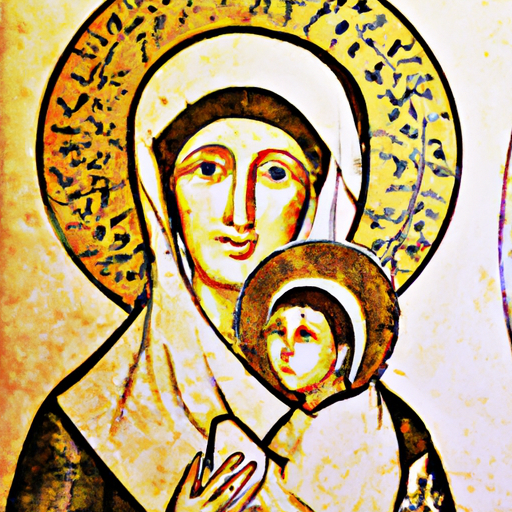
Fine Art is a style of visual art that emerged during the Renaissance in the 14th century and continues to the present day. It encompasses a wide range of artistic expressions, including painting, sculpture, printmaking, and drawing. Fine Art is characterized by its emphasis on aesthetic and intellectual qualities rather than practical or utilitarian concerns. It is often associated with the pursuit of beauty, creativity, and self-expression. Some famous fine art movements include the Renaissance, Baroque, Impressionism, and Abstract Expressionism.
View StyleExplore Style
Frits Thaulow was a Norwegian Impressionist painter known for his atmospheric and light-filled landscapes. Active in the late 19th century, Thaulow's work is characterized by loose brushwork, vibrant colors, and a focus on capturing the effects of light and weather.
View StyleExplore Style
Harriet Backer was a Norwegian Impressionist painter known for her use of light and color to capture everyday scenes. Active in the late 19th and early 20th centuries, she is renowned for her intimate interiors and portraits.
View StyleExplore Style
The Heidelberg School was an Australian art movement of the late 19th century, known for its Impressionist style, en plein air painting, and focus on capturing the unique light and color of the Australian landscape.
View StyleExplore Style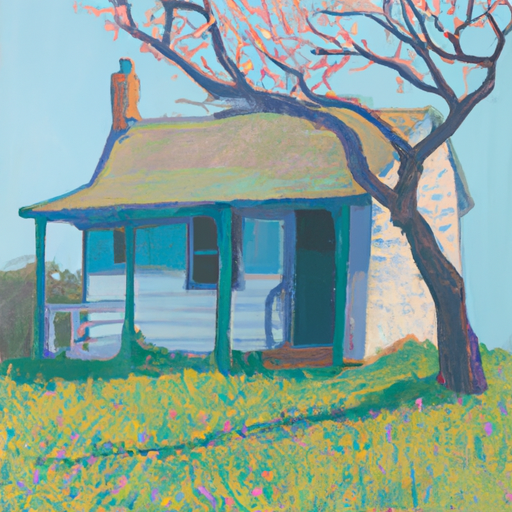
James Wyeth is an American realist painter known for his detailed and evocative depictions of rural American life. His style combines elements of realism and impressionism, with a particular focus on capturing the essence of his subjects. Wyeth became famous in the late 20th century for his portraits of prominent figures and ordinary people alike, showcasing his ability to infuse his paintings with authenticity and emotion.
View StyleExplore Style
John Butler Yeats was known for his portraits and figure paintings that focused on capturing the unique character and mood of his subjects. His style was influenced by Impressionism and Post-Impressionism, and he was famous for his loose, expressive brushwork and use of vibrant colors.
View StyleExplore Style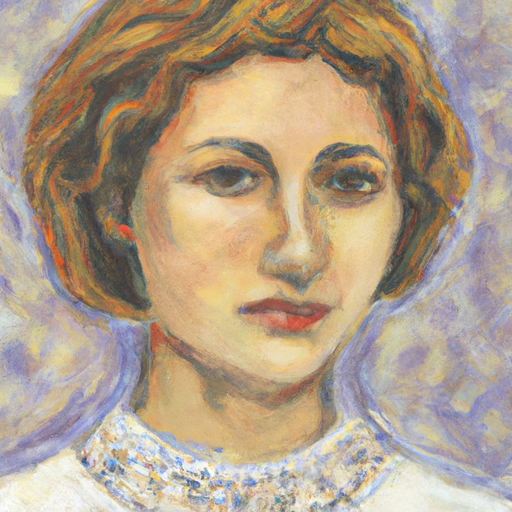
John Singer Sargent was an American artist known for his portraits and figurative paintings. His style was characterized by a blend of realism and impressionism, capturing the essence of his subjects with bold brushwork and a keen eye for detail. Active in the late 19th and early 20th centuries, Sargent's works showcased his mastery of light, color, and composition, often using dramatic lighting effects to create stunning visual impact. His portraits of high society individuals and landscapes gained him fame and recognition as one of the leading portrait painters of his time.
View StyleExplore Style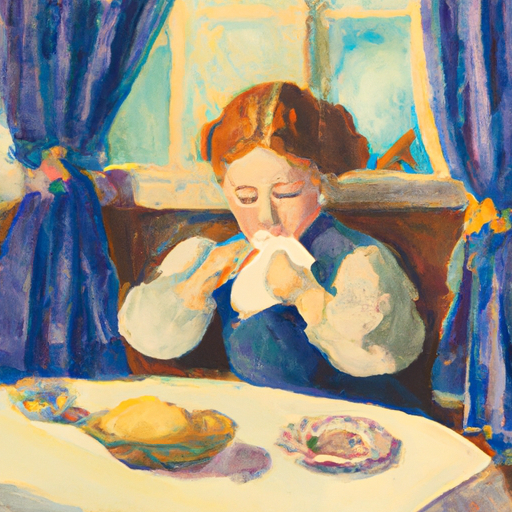
Mary Cassatt was an American painter and printmaker known for her depiction of the intimate lives of women, particularly mothers and children. She was active during the late 19th and early 20th centuries and is famous for her association with the Impressionist movement. Cassatt's style is characterized by its soft, pastel colors, delicate brushwork, and emphasis on the everyday lives of women and children. She often focused on capturing the tender moments and relationships between mothers and their children. Cassatt's work gained recognition for its sensitive portrayal of maternal bonds and her ability to depict the human figure with great skill and emotion.
View StyleExplore Style
Maurice Ravel's visual style was characterized by intricate details, vibrant colors, and a blend of traditional and modern elements. Popular during the early 20th century, his work showcased a unique fusion of Impressionism and Neo-Classicism.
View StyleExplore Style
Peder Severin Kroyer was a leading Danish Impressionist painter during the late 19th and early 20th centuries. Known for his bright, colorful paintings of landscapes and figures, Kroyer captured the effects of light and atmosphere with loose brushwork and a vibrant palette.
View StyleExplore Style
Soren Kroyer was a Danish painter known for his Impressionist style, particularly his outdoor scenes and intimate portraits. Active in the late 19th and early 20th centuries, Kroyer's use of light and color captivated audiences and helped define the Impressionist movement in Denmark.
View StyleExplore Style
Western Artistic Styles encompass a variety of art movements that originated in Western countries such as Europe and the United States. These styles typically include Realism, Impressionism, Cubism, Surrealism, and Abstract Expressionism, among others. Each movement was characterized by its unique approach to subject matter, technique, and style.
View StyleExplore Style
William Glackens was an American realist painter known for his colorful and expressive depictions of urban life in the early 20th century. His work was influenced by Impressionism and Post-Impressionism, capturing the vitality and diversity of New York City street scenes.
View StyleExplore Style
Zygmunt Ajdukiewicz was a Polish painter known for his Impressionistic style, popular in the late 19th and early 20th centuries. His use of vibrant colors and loose brushwork captured the essence of his subjects with a sense of immediacy and movement.
View StyleExplore Style