StylopediaStylopedia

High Renaissance styles on Stylopedia

A visual encyclopedia of High Renaissance styles – use as prompt inspiration for Midjourney, Gemini, or ChatGPT AI when making High Renaissance images

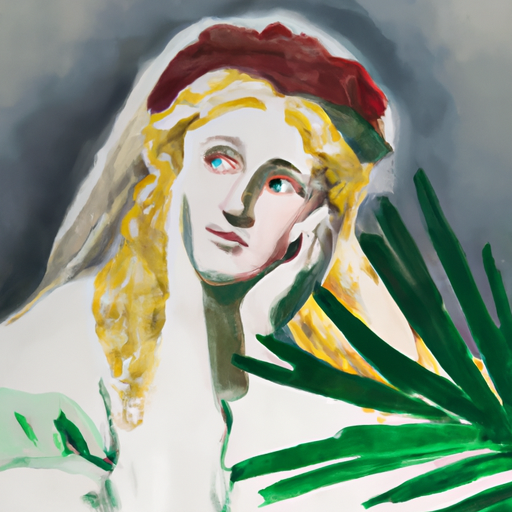
Example of visual style of Michelangelo

Michelangelo

Michelangelo is a style characterized by grandeur, dramatic compositions, and meticulous detail. It emerged during the High Renaissance in the late 15th century and remained influential through the 16th century. Michelangelo Buonarroti, the renowned Italian artist, was the epitome of this style. His sculptures and frescoes, such as the sculptures of David and Pieta and the ceiling of the Sistine Chapel, made this style famous for its monumental scale, anatomical precision, and emotive power.

View StyleExplore Style
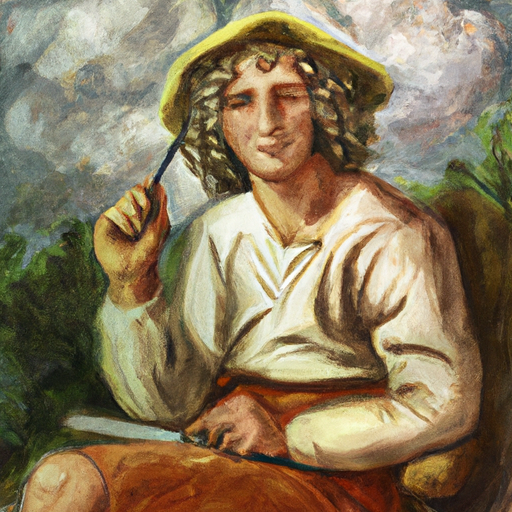
Example of visual style of Raphael

Raphael

Raphael is an Italian Renaissance visual style that emerged in the early 16th century. It is named after the renowned Italian painter and architect, Raffaello Sanzio da Urbino, commonly known as Raphael. This style was particularly famous during the High Renaissance period (1500-1520) in Italy. Raphael's style was characterized by its harmonious compositions, idealized figures, and naturalistic representations. His use of perspective, classical influences, and attention to detail brought a sense of balance, beauty, and grace to his paintings, which made him one of the most celebrated artists of his time.

View StyleExplore Style
Example of visual style of Rosso Fiorentino

Rosso Fiorentino

Rosso Fiorentino is a visual style that emerged in the 16th century in Florence, Italy. It is characterized by its vibrant colors, dramatic compositions, and emotional intensity. The style gained fame during the High Renaissance period and is known for its bold, dynamic brushwork and expressive figures. Rosso Fiorentino's works often feature exaggerated gestures, intense facial expressions, and a sense of movement. The artist's use of bright reds and deep shadows creates a highly dramatic and atmospheric effect.

View StyleExplore Style
Example of visual style of Titian

Titian

Titian is a visual style developed by the Italian painter Tiziano Vecellio, known as Titian (1488-1576). This style emerged during the High Renaissance and continued to evolve during the Mannerist period. Titian's innovative use of color and brushwork, along with his ability to capture the human form with depth and emotion, made him one of the most influential artists of his time. His famous works include 'Bacchus and Ariadne' (1520-1523), 'Venus of Urbino' (1534), and 'The Assumption of the Virgin' (1516-1518). Titian's style is characterized by vibrant and luminous colors, skillful use of light and shadow, and a dynamic composition that creates a sense of movement and drama.

View StyleExplore Style
Home