
Fujiwara Clan
The Fujiwara Clan was a powerful family in Japan during the Heian period (794-1185) known for their elegant and refined visual style in art, fashion, and architecture.
View StyleExplore Style Stylopedia
A visual encyclopedia of Heian period styles – use as prompt inspiration for Midjourney, Gemini, or ChatGPT AI when making Heian period images
The Fujiwara Clan was a powerful family in Japan during the Heian period (794-1185) known for their elegant and refined visual style in art, fashion, and architecture.
View StyleExplore Style
Heian Culture refers to the visual style that emerged during the Heian period in ancient Japan, which lasted from 794 to 1185. This period was marked by a flourishing artistic and cultural scene. The Heian Culture is famous for its exquisite and lavish displays of art, literature, and fashion. It was during this time that the Tale of Genji, considered the first novel in the world, was written by Lady Murasaki Shikibu. The elegant and refined aesthetic of the Heian Culture continues to inspire and captivate people to this day.
View StyleExplore Style
Japanese Art is a style of visual arts that has a rich and diverse history. It encompasses various art forms such as painting, calligraphy, ceramics, and woodblock prints. Japanese Art is renowned for its unique aesthetic and meticulous craftsmanship. It has been influenced by both the traditional Japanese culture and outside influences, such as Chinese and Western art. Important periods in Japanese Art include the Heian period (794-1185) known for its elegant court painting and the Edo period (1603-1868) where ukiyo-e, a genre of woodblock prints, became immensely popular both within Japan and internationally.
View StyleExplore Style
Japanese Courtly Art refers to the artistic traditions from Japan's Heian period (794-1185) characterized by elegant and refined depictions of courtly life, nature, and poetic themes. Emphasis on detail and use of vibrant colors made this style famous.
View StyleExplore Style
Japanese painting, also known as Yamato-e, developed in the Heian period (794-1185) and features traditional Japanese themes, techniques, and materials such as ink wash painting and silk panels. It became famous for its depiction of nature, landscapes, and narrative scenes.
View StyleExplore Style
Kana is a traditional Japanese calligraphy style that became well-known during the Heian period (794-1185). It is characterized by flowing, expressive brush strokes and intricate details. Kana is famous for its use in writing Japanese syllabic characters.
View StyleExplore Style
Kukai is a visual style that emerged in Japan during the Heian period (794-1185). It is known for its intricate and colorful patterns inspired by nature, which can be seen in architecture, textiles, and art.
View StyleExplore Style
Lady Murasaki Shikibu is known for her exquisite calligraphy and intricate hand-painted illustrations. This visual style emerged during the Heian period in Japan, particularly between the years 1008 and 1010, when Lady Murasaki Shikibu wrote 'The Tale of Genji'. The art in this style is characterized by delicate brushwork, rich color palettes, and meticulous attention to detail. Lady Murasaki Shikibu's illustrations elevated the art of storytelling, and her work continues to be celebrated for its beauty and elegance.
View StyleExplore Style
Murasaki Shikibu is a traditional Japanese visual style that emerged during the Heian period (794-1185) in Japan. Known for its delicate and intricate design, it is inspired by the aesthetics of courtly life, nature, and literature. This style is named after the renowned Japanese novelist of the same name, who wrote 'The Tale of Genji' during this period.
View StyleExplore Style
Sei Shnagon is a Japanese visual style originating from the Heian period (794-1185). It is characterized by delicate and elegant aesthetic, detailed craftsmanship, and a focus on beauty and simplicity in design and composition.
View StyleExplore Style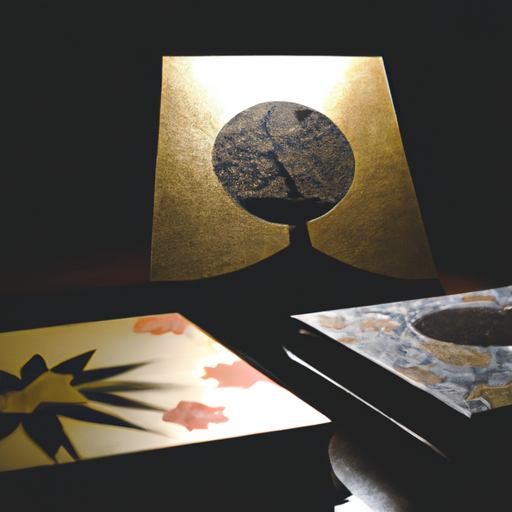
Tawaraya Statsu is a traditional Japanese art style that emerged in the Heian period (794-1185). It is famous for its intricate and highly detailed illustrations, characterized by the use of vibrant colors, exaggerated features, and elements of fantasy. The style gained prominence during the Edo period (1603-1868) when Tawaraya Sotatsu, a renowned Japanese painter, started incorporating the style into his works. Tawaraya Statsu became famous for its distinctive depictions of mythical creatures, deities, and scenes from Japanese folklore. The style continues to inspire contemporary artists and designers.
View StyleExplore StyleTawaraya Statu is a traditional Japanese painting style that emerged during the Heian period (794-1185). It is famous for its intricate and detailed representation of court nobles and aristocrats. The style became popular in the 11th century and was associated with the Tawaraya family, a renowned group of court painters. Tawaraya Statu is characterized by its delicate brushwork, vibrant colors, and exquisite attention to detail, capturing the elegance and grace of the aristocracy. The style flourished during the peak of Heian culture, reflecting the refined aesthetics and social hierarchy of the time.
View StyleExplore Style
Yamato E is a traditional Japanese painting style that flourished during the Heian period in the late 8th to early 9th century. It is known for its elegant and detailed depictions of nature, court scenes, and figures, often featuring flat compositions with limited use of perspective.
View StyleExplore Style