StylopediaStylopedia

Gothic Revival styles on Stylopedia

A visual encyclopedia of Gothic Revival styles – use as prompt inspiration for Midjourney, Gemini, or ChatGPT AI when making Gothic Revival images

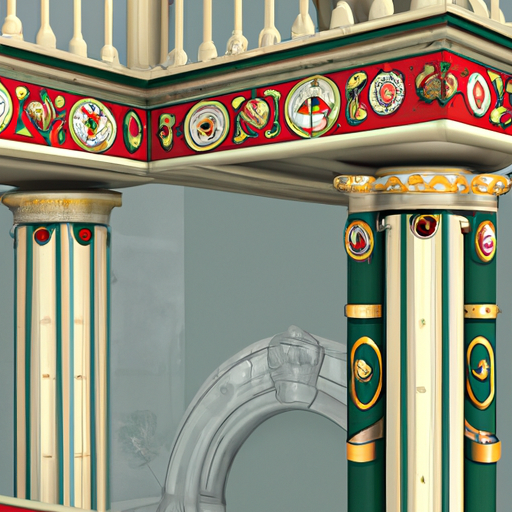
Example of visual style of Augustus Pugin

Augustus Pugin

Augustus Pugin was a prominent British architect and designer in the 19th century. He is best known for his role in the Gothic Revival and his influence on Victorian architecture. Pugin's style emerged in the 1830s and was characterized by the use of medieval architectural elements, intricate ornamentation, and a strong emphasis on craftsmanship and historical references. His designs played a significant role in shaping the visual aesthetic of the Victorian era, particularly in relation to ecclesiastical and government buildings.

View StyleExplore Style
Example of visual style of Charles Barry

Charles Barry

Charles Barry was a prominent British architect known for his work in the 19th century. He was famous particularly for his neoclassical and Gothic Revival designs. His most notable project was the rebuilding of the Houses of Parliament in London, completed in 1870. Barry's style blended classical elements with intricate Gothic details, creating grand and imposing structures. His works embodied Victorian architectural ideals and played a significant role in shaping the architectural landscape of the era.

View StyleExplore Style
Example of visual style of Medieval Revival Style

Medieval Revival Style

Medieval Revival Style, also known as Gothic Revival, was a 19th-century architectural and artistic movement that drew inspiration from the medieval period. It became famous for its popularity in Europe and America during the years 1820-1900. The style was characterized by the use of pointed arches, ribbed vaults, and ornate tracery, reflecting the aesthetic of Gothic cathedrals and castles. It was celebrated for its romantic nostalgia and association with the Middle Ages.

View StyleExplore Style
Example of visual style of Victorian Architecture

Victorian Architecture

Victorian Architecture emerged in the United Kingdom during the reign of Queen Victoria, from 1837 to 1901. It is characterized by intricate details, ornate decoration, and a mixture of different architectural styles. This style became famous for its grandiose and lavish designs, influenced by Gothic Revival, Neoclassical, and Renaissance styles. The Victorian era marked a period of technological advancements in construction, allowing for the creation of elaborate facades, intricate carvings, and the use of new materials such as cast iron. The style is known for its asymmetry, steep roofs, pointed arches, and decorative elements like stained glass windows, intricate woodwork, and ornamental ironwork.

View StyleExplore Style
Home