StylopediaStylopedia

Gothic styles on Stylopedia

A visual encyclopedia of Gothic styles – use as prompt inspiration for Midjourney, Gemini, or ChatGPT AI when making Gothic images

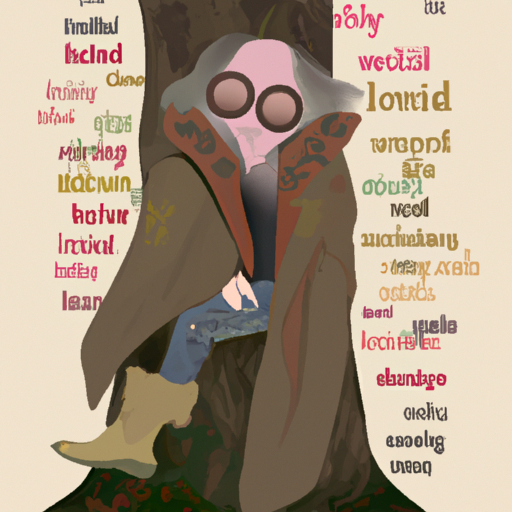
Example of visual style of Ayami Kojima

Ayami Kojima

Ayami Kojima is a Japanese illustrator known for her gothic and ethereal visual style. Her distinct art style became famous through her work on the Castlevania series, particularly on Castlevania: Symphony of the Night released in 1997. Kojima's art is characterized by its dark, romantic and highly detailed nature, often featuring intricate clothing, elaborate backgrounds, and beautiful characters with long flowing hair. Her artwork creates a sense of mystery and melancholy, drawing inspiration from European Gothic art and literature.

View StyleExplore Style
Example of visual style of Batman

Batman

The visual style of Batman is a dark and gritty aesthetic inspired by the popular DC Comics character. It became well-known in the late 1980s and early 1990s with the release of the iconic comic book series 'Batman: The Dark Knight Returns' by Frank Miller and the Tim Burton-directed film 'Batman' starring Michael Keaton. This style is characterized by dramatic use of shadows, atmospheric lighting, Gothic architecture, and a predominantly black color palette. The Batman visual style is famous for its brooding and mysterious atmosphere, reflecting the dark persona of the Caped Crusader.

View StyleExplore Style
Example of visual style of Beksinski

Beksinski

Beksinski is a gothic and surrealist visual style that emerged in the late 20th century. It is named after the Polish artist Zdzislaw Beksinski, who gained prominence in the 1980s and 1990s. Beksinski's works are characterized by dark, atmospheric landscapes, abstract forms, and distorted figures. Known for his dystopian and apocalyptic themes, Beksinski's art often evokes feelings of melancholy and despair. His unique style combines elements of surrealism, expressionism, and fantasy, creating haunting and otherworldly imagery.

View StyleExplore Style
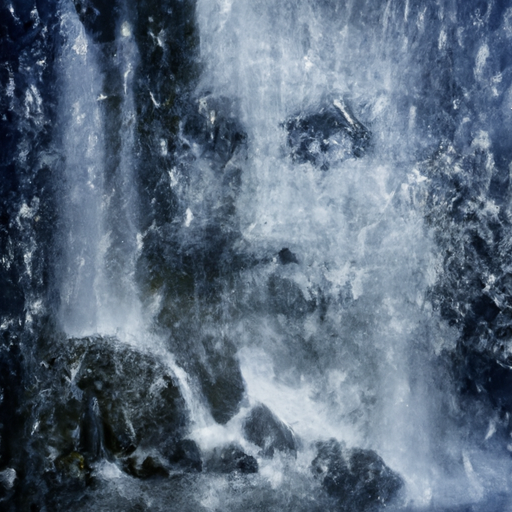
Example of visual style of Charles Addams

Charles Addams

Charles Addams style is a unique brand of macabre and dark humor. He is best known for his cartoons and illustrations in The New Yorker magazine from the late 1930s until his death in 1988. Addams' style became famous for its dark and unsettling imagery, often featuring gothic mansions, eccentric characters, and morbid situations. His work gained popularity due to its clever and distinct blend of humor and horror. Addams' illustrations have since influenced various mediums, including movies, TV shows, and graphic novels.

View StyleExplore Style
Example of visual style of Charlotte Bronte

Charlotte Bronte

The Charlotte Bronte visual style is characterized by its romantic and gothic elements, often depicted through moody and atmospheric landscapes, dark color palettes, and strong emotional depth. This style emerged in the 19th century and is closely associated with the works of the English author Charlotte Bronte, particularly her novel 'Jane Eyre'. The style became famous for its portrayal of complex female characters and its exploration of social and psychological issues of the time.

View StyleExplore Style
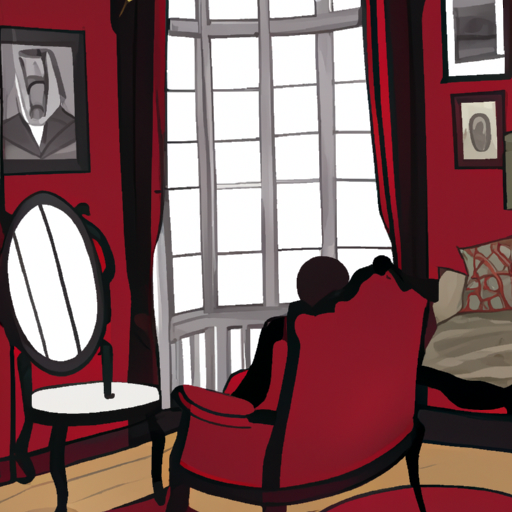
Example of visual style of Crimson Peak

Crimson Peak

Crimson Peak is a visual style that blends elements of Gothic literature and Victorian era aesthetics. It gained prominence in the 19th century and became famous for its eerie and atmospheric settings characterized by decaying mansions, dark hallways, and haunting landscapes. This style is best known for its striking use of deep reds, purples, and dark hues to create an unsettling and haunting ambiance. The visual style of Crimson Peak was popularized by the film of the same name, directed by Guillermo del Toro in 2015.

View StyleExplore Style
Example of visual style of Dark Fantasy

Dark Fantasy

Dark Fantasy is a visual style characterized by its eerie and mysterious atmosphere, combining elements of fantasy and horror. It emerged in the late 18th century with the Gothic literature movement, gaining popularity in the 19th and early 20th centuries. Dark Fantasy is often associated with macabre and supernatural themes, featuring haunted landscapes, grotesque creatures, and dramatic lighting. Its fame grew through the works of authors like Edgar Allan Poe and artists like Hieronymus Bosch.

View StyleExplore Style
Example of visual style of Edward Gorey

Edward Gorey

Edward Gorey is famous for his distinctive black and white pen-and-ink illustrations. His style emerged in the mid-20th century and is known for its macabre and whimsical themes, often depicting mysterious narratives with a Victorian and Gothic influence. Gorey's work gained popularity through his book illustrations, notably 'The Gashlycrumb Tinies' (1963), which features darkly humorous rhymes about the untimely deaths of children. His detailed cross-hatched drawings and uncanny characters have made his style instantly recognizable and influential in the field of dark humor and Gothic art.

View StyleExplore Style
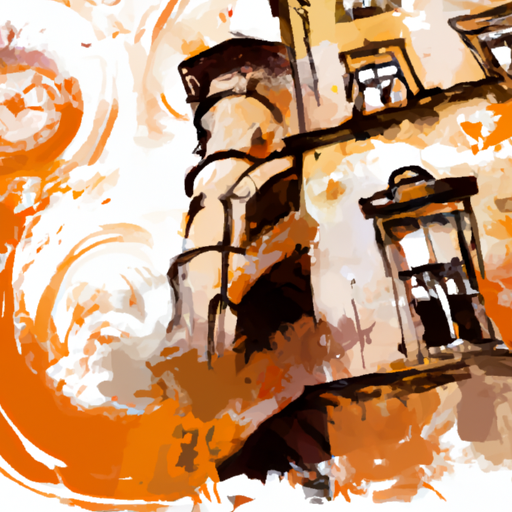
Example of visual style of Italian Horror

Italian Horror

Italian Horror, also known as Italian Gothic Horror, is a subgenre of horror films that emerged in Italy in the late 1950s and gained popularity in the 1960s and 1970s. It is characterized by its distinct visual style, combining elements of gothic horror, supernatural themes, and psychological terror. Italian horror films became famous for their atmospheric settings, intricate and suspenseful plots, and graphic violence. Directors such as Mario Bava, Dario Argento, and Lucio Fulci played a significant role in establishing this genre and making it globally recognized.

View StyleExplore Style
Home