StylopediaStylopedia

German Expressionism styles on Stylopedia

A visual encyclopedia of German Expressionism styles – use as prompt inspiration for Midjourney, Gemini, or ChatGPT AI when making German Expressionism images

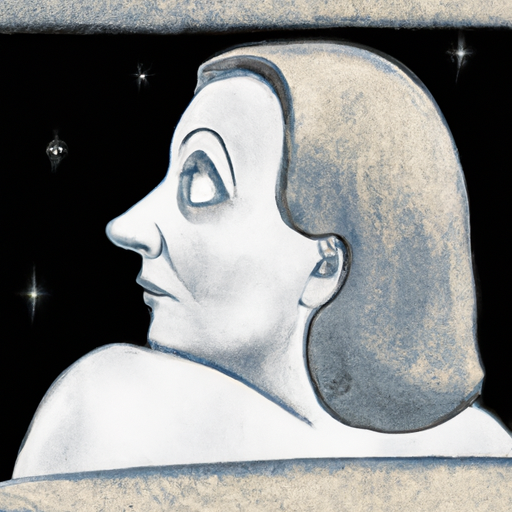
Example of visual style of Die Brücke

Die Brücke

Die Brücke, meaning 'The Bridge' in German, was an influential visual style that emerged in the early 20th century. Founded by Ernst Ludwig Kirchner, Karl Schmidt-Rottluff, and other artists in Dresden, Germany in 1905, Die Brücke is famous for its bold and expressive style. It is regarded as one of the founding movements of German Expressionism. The artists of Die Brücke sought to break free from traditional academic art and explore themes of emotional intensity, inner turmoil, and the alienation of modern society. Their works often featured vibrant colors, distorted forms, and rough brushstrokes, conveying a raw and primal energy. Die Brücke became widely recognized for its contributions to the development of modern art in Germany and beyond.

View StyleExplore Style
Example of visual style of Erich Heckel

Erich Heckel

Erich Heckel was a German painter and printmaker who co-founded the influential artistic group Die Brücke in 1905. His visual style is characterized by bold colors, expressive brushwork, and a primitive and distorted representation of human figures. Heckel's style gained fame during the early 20th century and was known for its emphasis on emotion, intensity, and rawness. He played a significant role in the development of German Expressionism, which aimed to convey subjective and emotional experiences through art.

View StyleExplore Style
Example of visual style of Otto Dix

Otto Dix

Otto Dix was a German painter and printmaker who is known for his realistic and sometimes grotesque portrayal of society during the Weimar Republic period in Germany. Active from the 1910s to the 1960s, Dix's visual style is characterized by its sharp lines, exaggerated forms, and dark palette. He often depicted scenes of war, poverty, and the decadence of post-war society, capturing the disillusionment and decay of the time. Dix's work gained fame for its social criticism and provocative subject matter.

View StyleExplore Style
Home