StylopediaStylopedia

Franco-Belgian styles on Stylopedia

A visual encyclopedia of Franco-Belgian styles – use as prompt inspiration for Midjourney, Gemini, or ChatGPT AI when making Franco-Belgian images

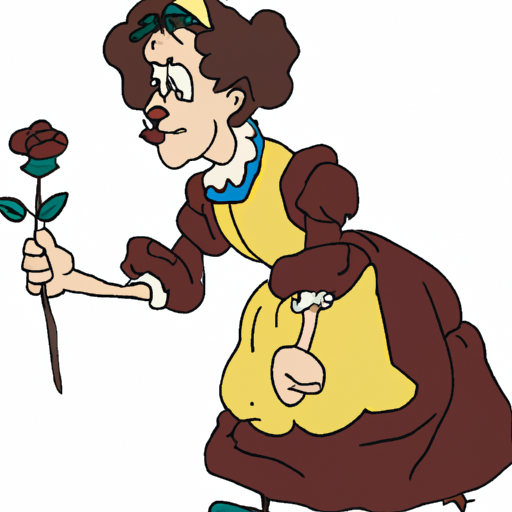
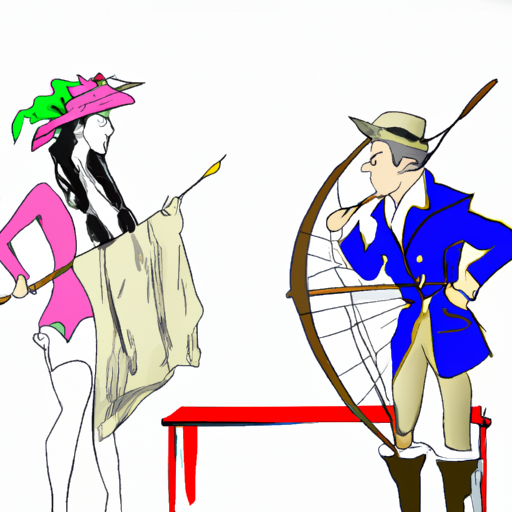
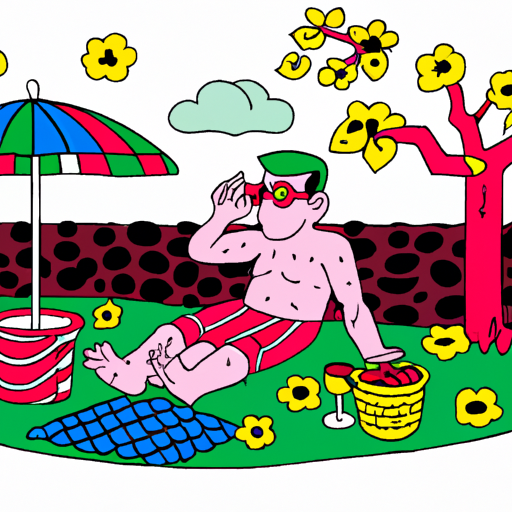
Example of visual style of Belgian Comic Art

Belgian Comic Art

Belgian Comic Art, also known as Franco-Belgian Comic Art, is a visual style that emerged in Belgium in the early 20th century. It gained popularity in the 1920s and 1930s with the publication of iconic comic series such as Tintin by Hergé and Spirou et Fantasio by Rob-Vel. This style became famous for its distinctive combination of detailed line work, vibrant colors, and whimsical storytelling. Belgian Comic Art is known for its strong emphasis on character development, intricate backgrounds, and dynamic action sequences.

View StyleExplore Style
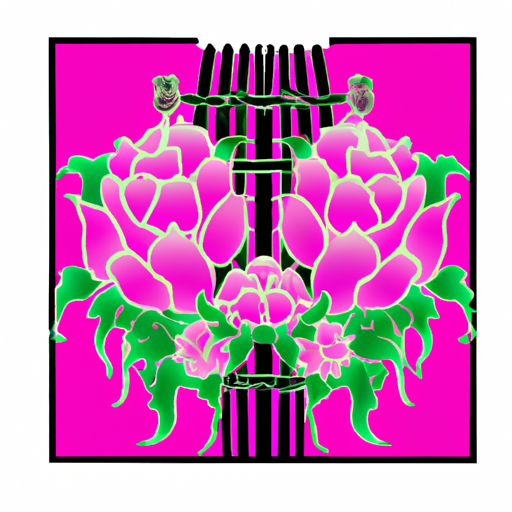
Example of visual style of Franco Belgian Comic Industry

Franco Belgian Comic Industry

The Franco Belgian Comic Industry style emerged in the mid-20th century and is characterized by its distinctive storytelling format and artistic techniques. It gained prominence in the 1950s and 1960s with the works of renowned artists like Hergé and René Goscinny. These comics became famous for their expressive visual storytelling, captivating narratives, and detailed, ligne claire (clear line) art style. The iconic comic series 'The Adventures of Tintin' by Hergé, published from 1929 to 1976, and the humorous 'Asterix' series by Goscinny and Albert Uderzo, beginning in 1959, played significant roles in popularizing this style internationally.

View StyleExplore Style
Home