
StylopediaStylopedia

Expressionism styles on Stylopedia

A visual encyclopedia of Expressionism styles – use as prompt inspiration for Midjourney, Gemini, or ChatGPT AI when making Expressionism images

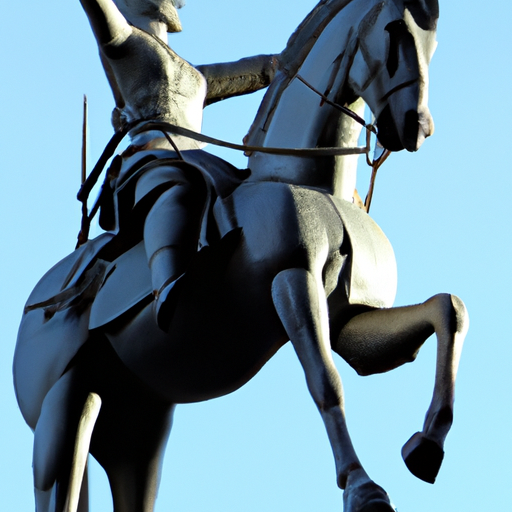
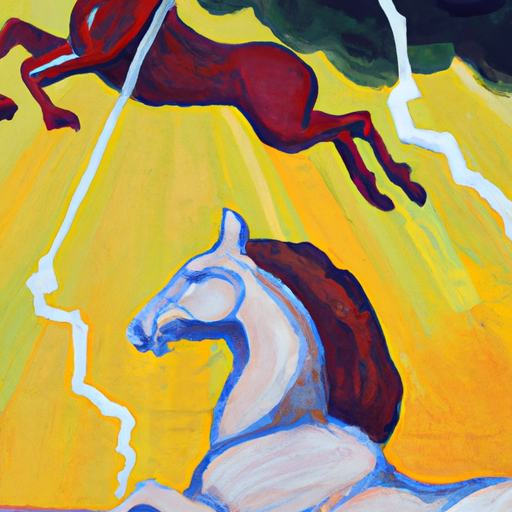
Example of visual style of Beksinski

Beksinski

Beksinski is a gothic and surrealist visual style that emerged in the late 20th century. It is named after the Polish artist Zdzislaw Beksinski, who gained prominence in the 1980s and 1990s. Beksinski's works are characterized by dark, atmospheric landscapes, abstract forms, and distorted figures. Known for his dystopian and apocalyptic themes, Beksinski's art often evokes feelings of melancholy and despair. His unique style combines elements of surrealism, expressionism, and fantasy, creating haunting and otherworldly imagery.

View StyleExplore Style
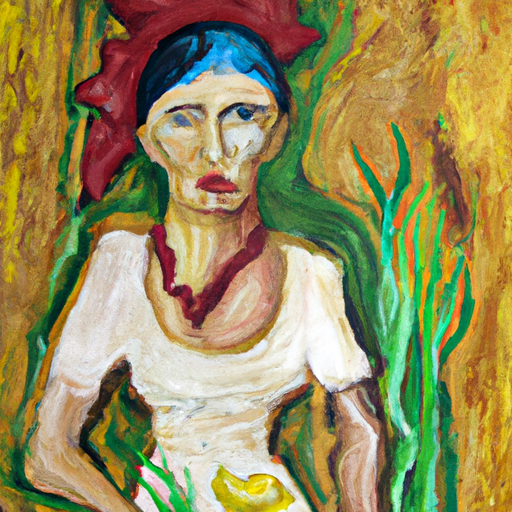
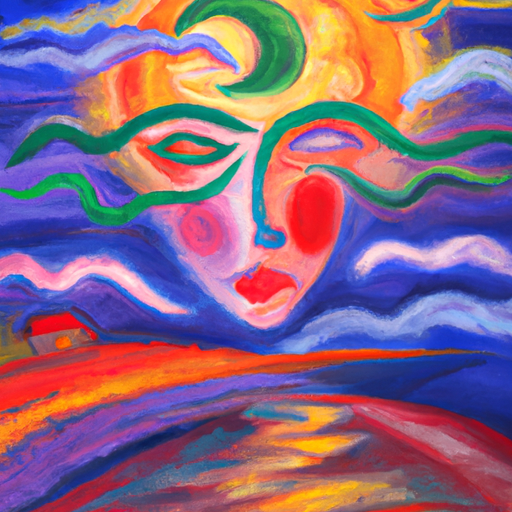
Example of visual style of Der Blaue Reiter

Der Blaue Reiter

Der Blaue Reiter, meaning The Blue Rider, was an art movement that emerged in the early 20th century, particularly in Germany from 1911 to 1914. It was founded by Wassily Kandinsky and Franz Marc as an expressionist and avant-garde movement. The style was characterized by a vibrant use of colors, particularly blue, and abstract forms. Der Blaue Reiter aimed to transcend materialism and explore the spiritual and emotional power of art. The movement gained fame for its groundbreaking exhibitions and its significant impact on the development of abstract art.

View StyleExplore Style
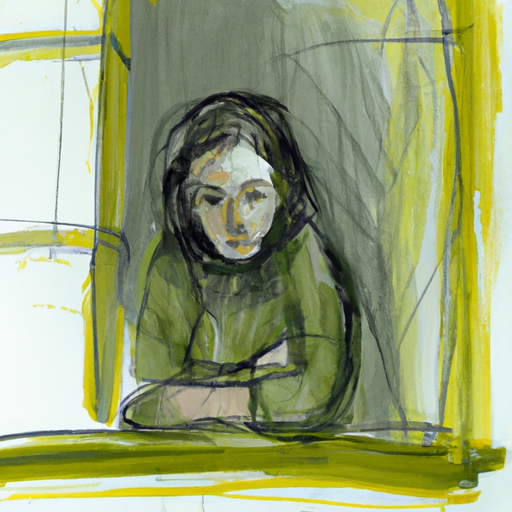
Example of visual style of Edvard Munch

Edvard Munch

Edvard Munch was a Norwegian painter and printmaker who was the pioneer of Expressionism in the early 20th century. He is best known for his iconic painting 'The Scream' (1893), which portrays the existential angst and emotional turmoil of the modern human condition. Munch's style is characterized by his vivid use of color, bold brushstrokes, and distorted and exaggerated forms, which were used to convey a heightened sense of emotion and psychological intensity. His works often explore themes of love, death, anxiety, and the duality of human existence. Munch's style gained recognition and fame due to his raw and subjective portrayal of human emotions, making his art relatable and resonant to a wide audience.

View StyleExplore Style
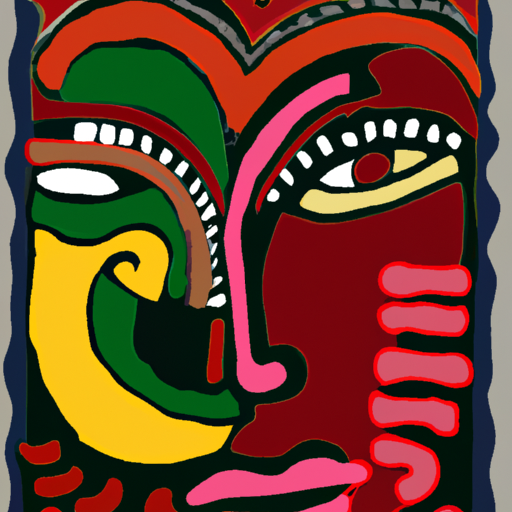
Example of visual style of Ernst Ludwig Kirchner

Ernst Ludwig Kirchner

Ernst Ludwig Kirchner was a German expressionist artist who co-founded Die Brücke (The Bridge) movement in 1905. Kirchner's visual style is characterized by bold, vibrant colors, angular forms, and a distorted, exaggerated portrayal of figures. His works from the early 1910s, such as 'Street, Berlin', made him famous for his ability to capture the vitality and energy of urban city life. Kirchner's depiction of emotionally charged scenes and his use of unconventional perspectives contributed to the popularity of German expressionism.

View StyleExplore Style
Example of visual style of Franz Marc

Franz Marc

Franz Marc was a German painter and one of the key figures of the Expressionist movement. His visual style, developed in the early 20th century, is characterized by vibrant and bold colors, abstracted forms, and a strong emphasis on the emotional and spiritual qualities of his subject matter. Marc is famous for his paintings of animals, particularly horses, which he used as symbols of purity, spirituality, and the untamed energy of nature. His style reached its peak between 1911 and 1914, but was tragically cut short by his premature death during World War I. Nevertheless, his contributions to Expressionism and his unique visual language continue to influence artists to this day.

View StyleExplore Style
Example of visual style of Kees Van Dongen

Kees Van Dongen

Kees Van Dongen was a Dutch-French painter known for his vibrant and provocative style. His style emerged during the early 20th century and became famous for its bold use of color, exaggerated brushstrokes, and sensuous portrayals of women. Van Dongen's paintings often depicted fashionable and glamorous individuals, capturing the essence of the vibrant nightlife and artistic scene in Paris during the 'Les Années Folles' (the Roaring Twenties). His ability to infuse his works with a sense of allure and intrigue made him a prominent figure in the Fauvism and Expressionism movements.

View StyleExplore Style
Example of visual style of Max Pechstein

Max Pechstein

Max Pechstein was a German painter and printmaker, known for his distinctive expressionistic style. Active in the early 20th century, Pechstein was a prominent member of the artist group 'Die Brücke' (The Bridge). His visual style can be characterized by bold use of color, dynamic brushwork, and a raw emotional intensity. Pechstein's works often depicted scenes of everyday life, landscapes, and portraits, capturing the essence of the human experience. His fame rose during the 1910s and 1920s due to his innovative use of color and expressive techniques.

View StyleExplore Style
Example of visual style of Oskar Kokoschka

Oskar Kokoschka

Oskar Kokoschka was an Austrian expressionist painter and writer who is known for his intense and emotional style. Active during the early 20th century, his works are characterized by distorted figures, vibrant colors, and a raw, often unsettling energy. Kokoschka's art made a significant impact on the expressionist movement, particularly during his involvement with the Wiener Werkstätte and his association with the Blue Rider group. His portrayal of psychological states and exploration of human emotions through his brushwork and color choice have contributed to his overall fame.

View StyleExplore Style
Example of visual style of Paul Klee

Paul Klee

Paul Klee was a Swiss-German painter known for his distinct visual style that emerged during the early 20th century. Influenced by Expressionism, Cubism, and Surrealism, Klee's works are characterized by their abstract and highly imaginative nature. His art often features geometric shapes, intricate patterns, bold colors, and a whimsical quality. Klee's style gained fame throughout the 1920s and 1930s, and his emphasis on personal expression and symbolism made him an influential figure in modern art.

View StyleExplore Style
Home