StylopediaStylopedia

Early Renaissance styles on Stylopedia

A visual encyclopedia of Early Renaissance styles – use as prompt inspiration for Midjourney, Gemini, or ChatGPT AI when making Early Renaissance images

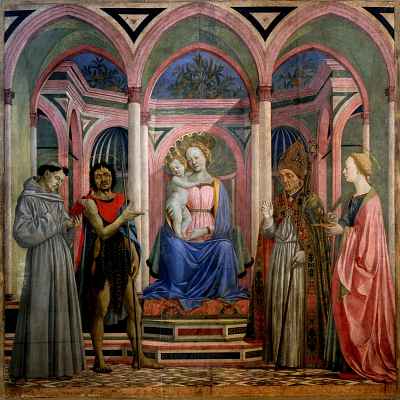
Example of visual style of Fra Angelico

Fra Angelico

Fra Angelico, also known as Beato Angelico, was an Italian painter of the early Renaissance. He is known for his delicate and harmonious paintings, characterized by bright colors and ethereal figures. His works from the 14th and 15th centuries are renowned for their spiritual and religious themes, depicting scenes from the Bible and the lives of saints. Fra Angelico's use of light and shadow, meticulous attention to detail, and his ability to convey a sense of transcendence made him one of the most famous artists of his time.

View StyleExplore Style
Example of visual style of Paolo Uccello

Paolo Uccello

Paolo Uccello was an Italian painter whose style emerged during the early Renaissance period. His works are characterized by their meticulous attention to detail and the use of perspective. Uccello was particularly famous for his innovative approach to representing geometric objects in his paintings, which greatly influenced artists of his time. He is best known for his masterpiece 'The Battle of San Romano,' created between 1438 and 1440. This artwork showcases Uccello's mastery of foreshortening and his ability to create a sense of depth and movement within a two-dimensional space.

View StyleExplore Style
Example of visual style of Sandro Botticelli

Sandro Botticelli

Sandro Botticelli was an Italian painter from the Early Renaissance period. His visual style is characterized by delicate, graceful figures, soft colors, and a poetic atmosphere. Active during the 15th century, Botticelli is famous for his iconic works such as 'The Birth of Venus' and 'Primavera'. His art often depicted mythological themes and Christian subjects, combining a sense of beauty, elegance, and spirituality. Botticelli's attention to detail and use of flowing lines created a distinctive aesthetic that continues to inspire artists to this day.

View StyleExplore Style
Home