StylopediaStylopedia

Dutch Golden Age styles on Stylopedia

A visual encyclopedia of Dutch Golden Age styles – use as prompt inspiration for Midjourney, Gemini, or ChatGPT AI when making Dutch Golden Age images

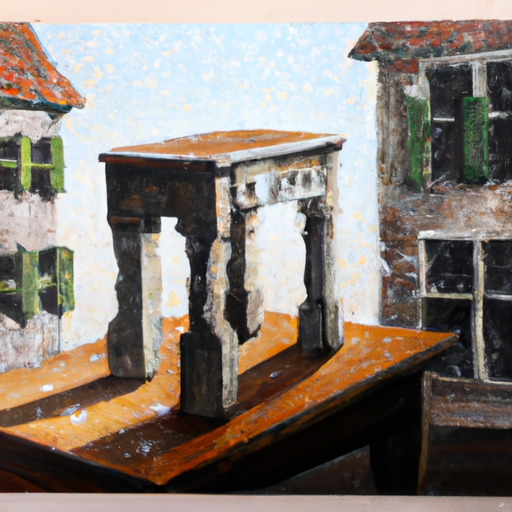
Example of visual style of Dutch 17th Century Architecture

Dutch 17th Century Architecture

Dutch 17th Century Architecture refers to the architectural style that was prevalent in the Netherlands during the 17th century, also known as the Dutch Golden Age. It is characterized by a unique combination of simplicity, elegance, and practicality. The style gained fame during this period due to the economic prosperity of the Dutch Republic, which allowed for the construction of numerous grand buildings and townhouses. These structures were designed with careful attention to detail and showcased the Dutch mastery of brick and gable work. The architecture of this era also emphasized natural light, large windows, and open floor plans.

View StyleExplore Style
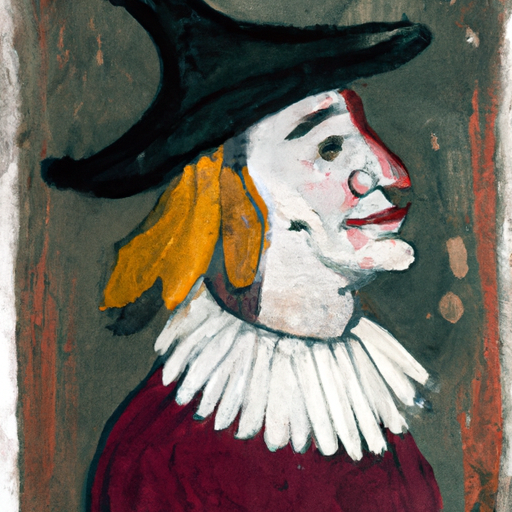
Example of visual style of Dutch Genre Painting

Dutch Genre Painting

Dutch Genre Painting, also known as Dutch Golden Age painting, emerged in the 17th century in the Netherlands. Characterized by realistic depictions of everyday life, it gained popularity during the Dutch Golden Age. The style flourished from approximately 1600 to 1700 and captured scenes from domestic life, landscapes, still lifes, and portraits. Dutch Genre Painting became famous for its attention to detail, lighting effects, and the ability to capture the essence of daily activities.

View StyleExplore Style
Example of visual style of Frans Hals

Frans Hals

Frans Hals was a Dutch Golden Age painter known for his loose brushwork and lively portrayal of his subjects. Active in the 17th century, Hals was famous for his portrait paintings, capturing the essence and personality of his sitters. His style was characterized by fast and expressive brushstrokes, capturing fleeting moments and the spontaneity of human expression. Hals' use of light and shadow, combined with his skillful handling of color, created a sense of depth and realism in his paintings. His unique approach to portraiture made him one of the most influential artists of his time.

View StyleExplore Style
Example of visual style of Jan Steen

Jan Steen

Jan Steen was a Dutch painter in the 17th century known for his lively and humorous scenes of daily life. His visual style is characterized by a combination of genre painting, vivid colors, and intricate details. Steen's work often depicted chaotic and festive gatherings, filled with boisterous characters engaged in humorous situations. His paintings were famous for their narrative storytelling and moral messages, portraying the vices and follies of human behavior. Jan Steen's style became popular during the Dutch Golden Age, particularly in the years 1660-1670, and his attention to detail and ability to capture human emotions made him a renowned artist of the time.

View StyleExplore Style
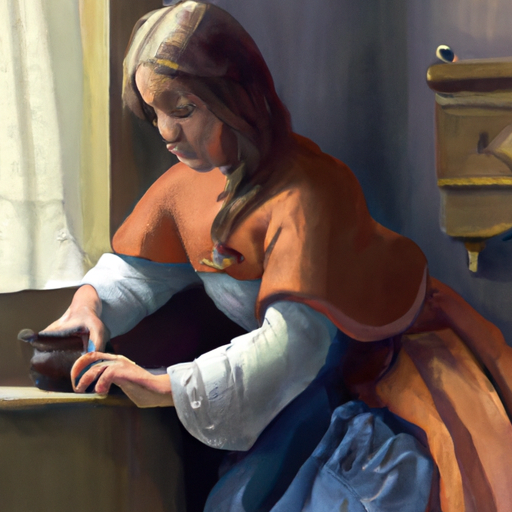
Example of visual style of Vermeer

Vermeer

The Vermeer style emerged during the Dutch Golden Age in the 17th century. It is characterized by meticulous attention to detail, use of soft lighting, and a focus on domestic interior scenes. Vermeer became famous for his ability to capture the play of light on different surfaces and his depiction of everyday life. His paintings often featured subjects such as women engaged in household activities or individuals in contemplative moments. The style gained recognition for its delicate and realistic portrayal of textures, carefully composed compositions, and the skillful use of color.

View StyleExplore Style
Home