
StylopediaStylopedia

Divisionism styles on Stylopedia

A visual encyclopedia of Divisionism styles – use as prompt inspiration for Midjourney, Gemini, or ChatGPT AI when making Divisionism images

Example of visual style of Carlo Carrà

Carlo Carrà

Carlo Carrà was an Italian painter and one of the founders of the Futurist movement. Active primarily during the early 20th century, Carrà's artistic style evolved from Divisionism to Cubism and finally settled into a distinctive form of Futurism known as 'Metaphysical Art.' He is famous for his introspective and dreamlike paintings that depict eerie and abstracted urban landscapes with sharp lines, geometric forms, and a limited color palette. Carlo Carrà's artistic career reached its peak between 1910 and 1920, making him one of the key figures in the development of Italian modern art.

View StyleExplore Style

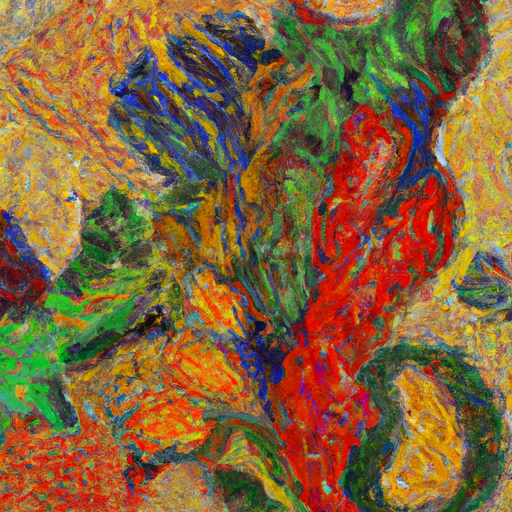
Example of visual style of Divisionism

Divisionism

Divisionism, also known as Pointillism, is a visual style that emerged in the late 19th century. Developed by a group of artists including Georges Seurat and Paul Signac, it gained prominence in the 1880s and 1890s. Divisionism employs the technique of using small dots or strokes of pure colors to create an optical mixture in the viewer's eye, rather than pre-mixing colors on the canvas. This scientific approach to color theory was influenced by the study of optics and light. Divisionism gained fame for its innovative use of color and its ability to capture atmospheric effects and the play of light.

View StyleExplore Style
Example of visual style of Umberto Boccioni

Umberto Boccioni

Umberto Boccioni was an Italian painter and sculptor who was a leading figure in the Futurism movement. Active during the early 20th century, Boccioni is known for his dynamic and vibrant artworks that captured the essence of modern life. His style evolved from Divisionism to Cubism and later to Futurism, reflecting the changing artistic trends of the time. Boccioni's iconic pieces often depicted fast-moving subjects, industrialization, and the intersection of man and machine. His influential manifesto 'Futurist Painting: Technical Manifesto' solidified his reputation and made him famous. Boccioni's work remains significant in the history of modern art.

View StyleExplore Style
Home