StylopediaStylopedia

Dada styles on Stylopedia

A visual encyclopedia of Dada styles – use as prompt inspiration for Midjourney, Gemini, or ChatGPT AI when making Dada images

Example of visual style of Hannah Hoch

Hannah Hoch

Hannah Hoch was a German artist associated with the Dada movement in the early 20th century. She is best known for her pioneering work in photomontage, which involved cutting and rearranging photographs to create collages that challenged traditional notions of gender, identity, and culture. Active during the 1920s and 1930s, Hoch's work reflected the political and social upheaval of the time, incorporating images from popular media and fashion magazines to critique societal norms and expose the contradictions of the Weimar Republic in Germany.

View StyleExplore Style

Example of visual style of Jean Tinguely

Jean Tinguely

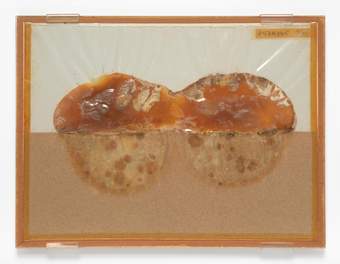
Jean Tinguely was a Swiss painter and sculptor known for his kinetic art, which emerged in the mid-1950s. His art was characterized by the use of everyday objects, machines, and found materials in his sculptures and installations. Tinguely's creations were often large-scale and incorporated movement and sound. He gained significant recognition for his participation in the Dada and Nouveau Réalisme movements. Tinguely's playful and innovative approach to art made him famous and influential in the art world.

View StyleExplore Style
Example of visual style of Kurt Schwitters

Kurt Schwitters

Kurt Schwitters was a German artist known for his innovative and influential collages. He developed the artistic movement Merz, which emerged in the early 20th century. Schwitters created collages by combining found objects, newspaper clippings, and other materials, often integrating text and typography. His work was characterized by its abstract and geometric compositions, as well as its use of everyday materials. Schwitters' art gained recognition in the 1920s and 1930s, and he is considered one of the most important figures in Dada and Constructivist movements.

View StyleExplore Style
Example of visual style of Max Ernst

Max Ernst

Max Ernst was a German artist and a leading figure of the Dada and Surrealist movements. He is best known for his dreamlike and fantastical imagery, created through a combination of collage, painting, and sculpture. Ernst's work often explored themes of the subconscious, incorporating elements of psychoanalysis and automatic writing. His most famous works were created during the 1920s and 1930s, during which time he developed his signature 'frottage' and 'grattage' techniques. These innovative approaches to creating texture and form contributed to his influential status in the art world.

View StyleExplore Style
Example of visual style of Tristan Tzara

Tristan Tzara

Tristan Tzara was a key figure in the Dada movement, which emerged during World War I. This visual style, popular between 1916 and the early 1920s, aimed to reject logic and reason, embracing chaos and absurdity instead. It encompassed various mediums including painting, collage, poetry, and performance art. Dada artists, including Tzara, sought to challenge traditional artistic conventions and social norms through their works, often incorporating found objects and nonsensical elements. The style gained fame for its outrageous and provocative nature, emphasizing anti-art and the deconstruction of established norms.

View StyleExplore Style
Home