
A Thousand Li Of Rivers And Mountains
A Chinese landscape painting style developed in the 12th century during the Song dynasty, known for its intricate details of rivers, mountains, and nature scenes.
View StyleExplore Style Stylopedia
A visual encyclopedia of Chinese styles – use as prompt inspiration for Midjourney, Gemini, or ChatGPT AI when making Chinese images
A Chinese landscape painting style developed in the 12th century during the Song dynasty, known for its intricate details of rivers, mountains, and nature scenes.
View StyleExplore Style
Chun Li is a visual style inspired by the character Chun-Li from the Street Fighter video game series. Known for her powerful and agile fighting abilities, Chun-Li is often depicted as a strong, confident woman with a traditional Chinese qipao dress and ox-horn buns hairstyle.
View StyleExplore Style
Dai Jin was a Ming dynasty painter known for his meticulous brushwork and traditional Chinese landscape painting. His work became famous in the 16th century for its harmonious compositions and detailed depictions of nature.
View StyleExplore Style
Daiqian Temple is a Chinese architectural style recognized for its intricate wooden carvings, colorful paintings, and curved rooflines. This style became popular during the Tang Dynasty (618-907 AD) and is known for its ornate details and religious significance.
View StyleExplore Style
Yan Cui is a Chinese visual artist known for his ink wash paintings that blend traditional Chinese techniques with modern elements. His work gained fame in the early 21st century for its unique combination of classic and contemporary aesthetics.
View StyleExplore Style
Fan Kuan was a Chinese landscape painter during the Song Dynasty. His style is characterized by vast and majestic landscapes with towering peaks, deep valleys, and dense forests. He is famous for his meticulous attention to detail and ability to capture the grandeur of nature.
View StyleExplore Style
The Forbidden City style is a blend of traditional Chinese architecture, featuring colorful rooftops, intricate wooden carvings, and symmetrical layout. This iconic style became famous during the Ming and Qing dynasties in China.
View StyleExplore Style
General Yue Fei is a visual style inspired by the legendary Chinese general Yue Fei, known for his loyalty and patriotism. This style often features intricate details, traditional Chinese motifs, and bold colors, reflecting the strength and honor associated with General Yue Fei.
View StyleExplore Style
Gu Kaizhi was a famous Chinese painter and poet who lived in the Jin Dynasty. He is known for his delicate and elegant style which influenced Chinese art for centuries to come.
View StyleExplore Style
Gu Wenda is a contemporary Chinese artist known for his pioneering use of human hair as a medium in his art. His work became famous in the 1980s and 1990s when he began incorporating human hair into large-scale installations, challenging traditional notions of beauty and cultural identity.
View StyleExplore Style
Guo Moruo was a Chinese poet, historian, and scholar known for his calligraphy style characterized by dynamic brush strokes, bold lines, and expressive energy. He gained fame during the 20th century for his contributions to Chinese literature and culture.
View StyleExplore Style
Huan Yong Ping is a contemporary Chinese visual artist known for his thought-provoking and politically charged installations. His work became famous in the 1980s for its critical commentary on China's political and social climate. One of his most notable installations, 'The Circle of Life,' created in 1989, reflects on the Tiananmen Square protests of that year. Huan's use of unconventional materials and provocative imagery has cemented his reputation as a leading figure in Chinese contemporary art.
View StyleExplore Style
Huang Gongwang was a prominent Chinese painter during the Yuan dynasty known for his distinctive landscape paintings characterized by misty and ethereal effects. His work in the early 14th century influenced the development of the literati painting tradition.
View StyleExplore Style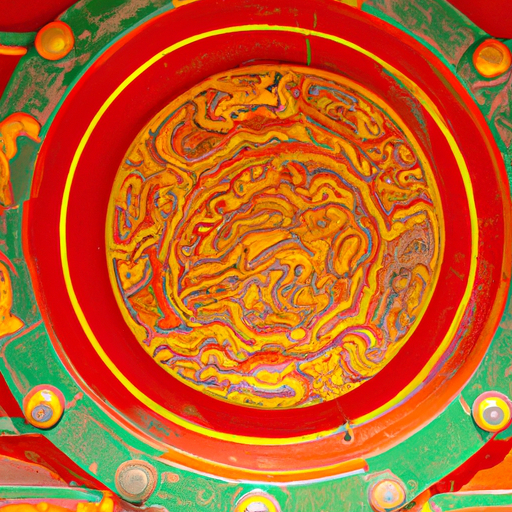
The Imperial Palace of Beijing, also known as the Forbidden City, is a grand architectural complex that served as the imperial palace for emperors of China for nearly 500 years, from 1420 to 1912. This style is characterized by its symmetrical layout, decorative roofs with yellow glazed tiles, intricate carvings, and traditional Chinese architectural elements.
View StyleExplore Style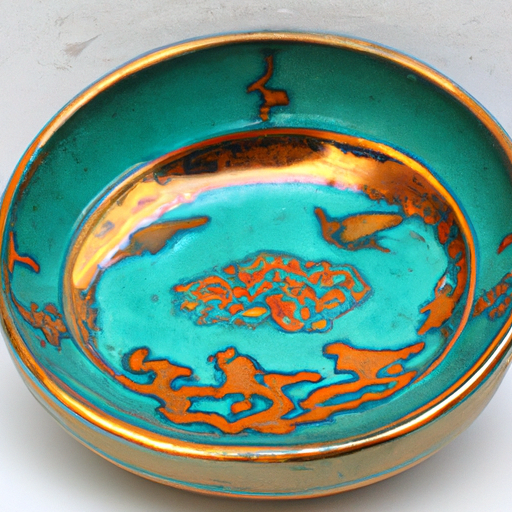
The Jingdezhen Kilns style is a distinctive porcelain style that originated in the Song Dynasty in China. It is known for its delicate craftsmanship, intricate patterns, and vibrant colors that have made it famous worldwide.
View StyleExplore Style
The Kangxi Emperor style emerged during the reign of the Kangxi Emperor of the Qing Dynasty in China (1661-1722). Known for its intricate designs, vibrant colors, and symbolic motifs, this style is famous for its influence on Chinese art and culture.
View StyleExplore Style
Kangxi Porcelain refers to Chinese ceramics produced during the reign of the Kangxi Emperor (1661-1722) of the Qing dynasty, known for its exquisite craftsmanship, intricate designs, and vibrant colors.
View StyleExplore Style
Li Tang was a Chinese painter during the Song dynasty known for his ink wash paintings of misty landscapes with towering mountains and winding rivers. His works from the 12th century are famous for their meticulous detail and atmospheric perspective.
View StyleExplore Style
The Li Bai Poet visual style is inspired by the famous Chinese poet Li Bai from the Tang dynasty. It features intricate brushwork, flowing lines, and soothing color palettes that evoke a sense of tranquility and contemplation. This style became famous during the Tang dynasty, around the 8th century, and continues to be celebrated today for its timeless beauty and elegance.
View StyleExplore Style
Li Cheng was a Chinese painter during the Tang dynasty known for his landscapes with towering mountains, misty valleys, and intricate brushwork. Active during the 10th century, his art set a standard for landscape painting in Chinese art history.
View StyleExplore Style
Li Gonglin was a Chinese painter known for his detailed brushwork and realistic depictions of animals, landscapes, and figures. Active during the Tang dynasty (618-907 AD), he was a master of ink and color painting, particularly in his depictions of horses.
View StyleExplore Style
Li Yingshe was a Chinese landscape painter known for his meticulous and elaborate style. Active during the Qing dynasty, Li Yingshe's art was characterized by detailed brushwork, intricate compositions, and a focus on natural scenery, particularly mountains and rivers.
View StyleExplore Style
A style of Chinese painting practiced by educated scholars and elite members of society in the Ming and Qing dynasties. Emphasizes intellectualism, simplicity, and spirituality.
View StyleExplore Style
Liu Kuo Sung is a renowned Chinese painter known for pioneering the integration of traditional Chinese ink painting techniques with modern abstract art in the 20th century. His unique style blends the ancient art form with contemporary aesthetics, creating dynamic and harmonious compositions.
View StyleExplore Style
Mi Fu was a renowned Chinese painter, calligrapher, and poet during the Song dynasty (960-1279). His style focused on subtle brushwork and expressive ink washes, capturing the essence of the subjects with minimalistic details.
View StyleExplore Style
Modern Chinese Art emerged in the late 19th century and gained prominence in the 20th century. It is characterized by a blend of traditional Chinese techniques with modern Western influences, exploring themes of culture, politics, and identity.
View StyleExplore Style
Ni Zan was a Chinese painter during the Yuan Dynasty known for his sparse, minimalistic landscapes with a focus on empty space and precise brushwork. His style became famous for its unique combination of simplicity and refinement, and he was active during the 14th century.
View StyleExplore Style
Qin Daoran was a Chinese painter known for his distinctive style of landscapes, often featuring misty mountains, flowing rivers, and solitary figures. His work gained popularity during the early 20th century, blending traditional Chinese painting techniques with modern influences.
View StyleExplore Style
Ren Yi was a famous Chinese painter known for his meticulous and realistic style. Active during the late Qing dynasty in the 19th century, Ren Yi's works are characterized by detailed brushwork and precise attention to detail, often depicting landscapes, birds, and flowers.
View StyleExplore Style
Ren Yu, a traditional Chinese painting style, emerged during the Northern Song Dynasty in the 10th century. Known for its intricate brushwork, delicate lines, and detailed depictions of nature, Ren Yu paintings often feature birds, flowers, and landscapes.
View StyleExplore Style
Inspired by the ancient trade route spanning from Asia to Europe, the Silk Road style combines elements of Chinese, Persian, and Central Asian art and design. Flourishing during the Han Dynasty in China and peaking during the Tang Dynasty, this style is characterized by intricate patterns, vibrant colors, and luxurious textiles.
View StyleExplore Style
Song Dynasty Painting refers to the traditional Chinese paintings created during the Song Dynasty (960-1279). These artworks were known for their meticulous detail, subtle colors, and emphasis on the natural world.
View StyleExplore Style
Sotatsu Tawaraya was a Japanese artist known for his unique blending of traditional Japanese and Chinese artistic techniques. Active in the early 17th century, his works are characterized by bold compositions, vibrant colors, and intricate details.
View StyleExplore Style
Su Shi, also known as Su Dongpo, was a renowned Chinese scholar, poet, and calligrapher during the Song dynasty. His calligraphy style is known for its elegance, fluidity, and rhythmic brushwork.
View StyleExplore Style
Takeuchi Seiho was a prominent Japanese painter during the late 19th and early 20th centuries. His style, influenced by traditional Chinese painting techniques, gained recognition for its depiction of nature and animals. Takeuchi Seiho became famous for his intricate brushwork and attention to detail, capturing the beauty and essence of his subjects. His works were highly sought after and he played a key role in the modernization of Japanese painting.
View StyleExplore StyleTang Haywen's visual style is characterized by his use of vibrant colors, fluid brush strokes, and a blend of traditional Chinese and Western painting techniques. His work became famous in the mid-20th century for its unique fusion of Eastern and Western artistic influences.
View StyleExplore Style
Tang Yin was a renowned Chinese painter, calligrapher, and poet during the Ming dynasty (1368–1644). Known for his intricate brushwork and innovative compositions, Tang Yin's style combined the boldness of the Song & Yuan traditions with the refinement of the Ming court aesthetics.
View StyleExplore Style
Traditional Chinese Landscape Painting is a style that emerged in ancient China, characterized by its use of brush strokes, ink, and watercolor to depict landscapes in a minimalist and poetic way. It became famous during the Tang and Song dynasties.
View StyleExplore Style
Wang Bu is a traditional Chinese painting style that originated during the Ming Dynasty (1368-1644) and became popular during the Qing Dynasty (1644-1912). Known for its meticulous and realistic depictions of nature, Wang Bu paintings often feature landscapes, flora, and fauna in a detailed and intricate manner.
View StyleExplore Style
Wang Ximeng was a Chinese painter known for his meticulous detail and unique composition which combined elements of Chinese landscape painting with a sense of depth and perspective. He is famous for his masterpiece 'A Thousand Li of Rivers and Mountains' which showcases his skill in creating intricate landscapes.
View StyleExplore Style
Wu Bin was a Chinese painter known for his detailed landscape paintings during the Ming dynasty. His works became famous in the late 16th and early 17th centuries for their intricate depictions of nature and architecture.
View StyleExplore Style
The Wu School of Painting, active during the Ming and Qing dynasties in China, is known for its meticulous brushwork, refined composition, and emphasis on capturing the spirit of the subject. It was famous for its association with literati painters and their scholarly pursuits.
View StyleExplore Style
Wu Zhen was a Chinese painter during the Yuan dynasty known for his elegant and simple ink wash paintings, focusing on landscapes and bamboo. His style became famous in the late 1200s for its minimalist beauty.
View StyleExplore Style
Wuxia Genre is a Chinese visual style that typically features fantastical martial arts, beautiful landscapes, and epic battles. Originating in the early 20th century, Wuxia became famous through literature, film, and television.
View StyleExplore Style
Xia Gui was a Chinese landscape painter during the Song dynasty. His style is known for its use of ink wash painting techniques and depiction of misty landscapes, influencing later artists such as Ma Yuan and Wang Meng.
View StyleExplore Style
Xue Ji was a Chinese painter known for his realistic depictions of flowers and birds during the Ming dynasty (1368-1644). His use of vibrant colors and meticulous attention to detail made his work famous.
View StyleExplore Style
Yuan Dynasty Art flourished during the Yuan Dynasty in China (1271-1368). It is known for its intricate and detailed traditional Chinese painting, calligraphy, and ceramics.
View StyleExplore Style
Yue Fei is a traditional Chinese painting style known for its detailed brushwork and vibrant colors. It originated in the Song dynasty (960-1279) and became famous for its depictions of historical figures and events, especially the revered General Yue Fei.
View StyleExplore Style
Zhang Xu was a Chinese calligrapher known for his cursive script style. Active during the Tang Dynasty (618-907), Zhang Xu's dynamic and free-flowing brushwork set him apart from his contemporaries and made him famous.
View StyleExplore Style
Zhang Zeduan was a famous Chinese painter during the Northern Song Dynasty known for his realistic and detailed depiction of daily life in the urban landscape. His masterpiece 'Along the River During the Qingming Festival' showcases a bustling riverfront scene with intricate details of people, buildings, and activities.
View StyleExplore Style