StylopediaStylopedia

CGI styles on Stylopedia

A visual encyclopedia of CGI styles – use as prompt inspiration for Midjourney, Gemini, or ChatGPT AI when making CGI images

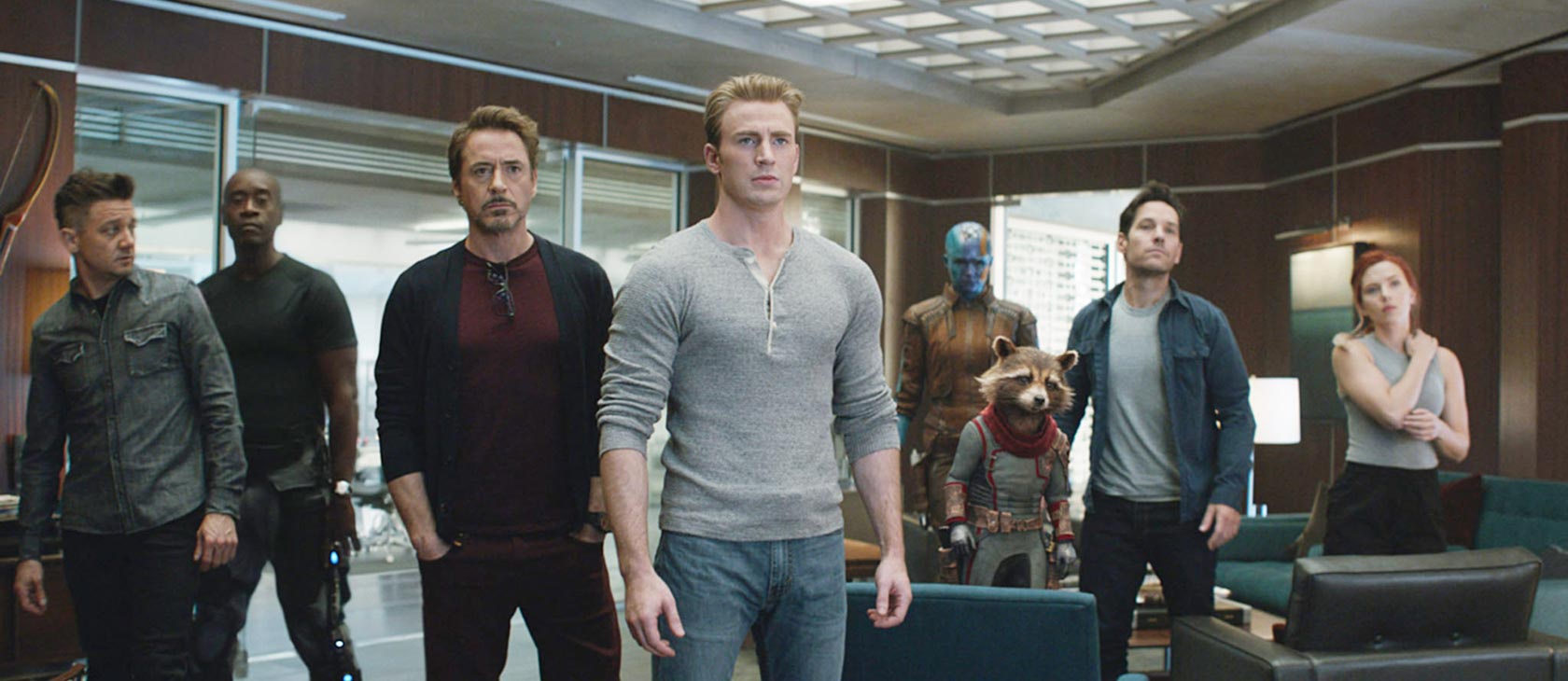
Example of visual style of Avatar

Avatar

Avatar is a visually stunning science fiction film that was released in 2009. Its groundbreaking use of 3D technology and extensive use of computer-generated imagery (CGI) made it famous. The film was directed by James Cameron and is set in the mid-22nd century on the moon Pandora. It follows the story of a paraplegic marine who inhabits an alien body, known as an Avatar, as part of a scientific experiment. Avatar's visual style is characterized by its vibrant and lush environments, innovative creature designs, and intricate attention to detail in creating the alien world of Pandora.

View StyleExplore Style
Example of visual style of Contemporary Animation

Contemporary Animation

Contemporary Animation refers to the current style of animation that has evolved from traditional hand-drawn and stop-motion techniques to computer-generated imagery (CGI) and digital animation. It became prominent in the late 20th century and continues to be a popular medium in the 21st century. The rise of advanced technology, software, and digital tools has significantly contributed to the fame of contemporary animation, allowing artists and filmmakers to create visually stunning and immersive animated works.

View StyleExplore Style
Example of visual style of Edwin Catmull

Edwin Catmull

Edwin Catmull is not specifically associated with a visual style, as he is a pioneer in the field of computer graphics and animation. He co-founded Pixar Animation Studios and contributed significantly to the development of computer-generated imagery (CGI). Catmull is known for his groundbreaking work in computer animation and his contributions to various films, including Toy Story (1995), Finding Nemo (2003), and Wall-E (2008). He played a crucial role in developing techniques such as texture mapping, motion blur, and subdivision surfaces, which revolutionized the field of computer graphics.

View StyleExplore Style
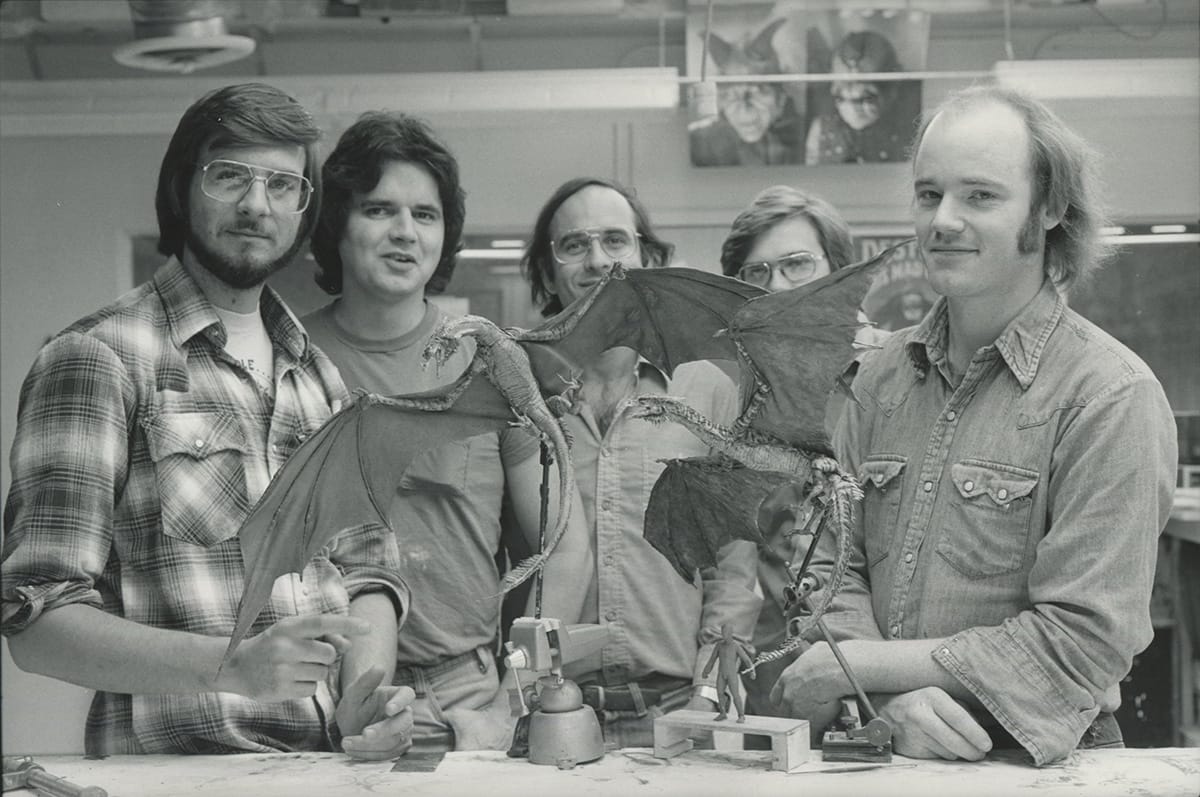
Example of visual style of Industrial Light Magic (ILM)

Industrial Light Magic (ILM)

Industrial Light & Magic (ILM) is a visual effects company founded in 1975 by George Lucas. It became famous for its groundbreaking work in the Star Wars franchise starting in the late 1970s. ILM revolutionized the film industry with its advanced visual effects techniques including motion control photography, computer-generated imagery (CGI), and digital editing. The company has continued to push boundaries in visual effects through the years, working on numerous blockbuster films and earning numerous awards for its contributions to the industry.

View StyleExplore Style
Example of visual style of Jennifer Yuh Nelson

Jennifer Yuh Nelson

Jennifer Yuh Nelson is a visual artist and director known for her distinct style in animated films. Her style gained recognition in the early 2010s through her work on the 'Kung Fu Panda' film series. Nelson brought a unique blend of traditional hand-drawn animation and computer-generated imagery (CGI) to create visually stunning and dynamic scenes. Her attention to detail and ability to capture expressive character performances made her work truly standout. Jennifer Yuh Nelson's contribution to the animation industry has influenced many aspiring artists and filmmakers.

View StyleExplore Style
Example of visual style of John Dykstra

John Dykstra

John Dykstra is a visual effects designer known for his groundbreaking work in the field of computer-generated special effects. He rose to fame in the 1970s for his work on the film 'Star Wars', where he pioneered the use of motion control camera systems and computer-generated imagery (CGI). Dykstra's innovative techniques revolutionized the industry and set new standards for visual effects in films. His work in 'Star Wars' earned him an Academy Award for Special Achievement in Visual Effects in 1978.

View StyleExplore Style

Example of visual style of John Gaeta

John Gaeta

John Gaeta is a visual effects artist known for his pioneering work in the field of bullet time. His work on the movie 'The Matrix' in 1999 introduced the famous slow-motion bullet dodging effect. Gaeta's bullet time technique revolutionized the industry and became an iconic visual style, blending live-action and computer-generated imagery to create breathtaking sequences. He continued to push the boundaries of visual effects in movies like 'The Matrix Reloaded' and 'The Matrix Revolutions'.

View StyleExplore Style
Example of visual style of John Musker

John Musker

John Musker is an American director, screenwriter, and producer known for his work in the animation industry. He is famous for his collaboration with Ron Clements, together known as 'Musker and Clements'. Their visual style became popular in the late 1980s and 1990s, with films like 'The Little Mermaid' (1989), 'Aladdin' (1992), and 'Hercules' (1997). Musker's style is characterized by vibrant colors, fluid animation, and a blend of traditional hand-drawn animation with computer-generated imagery. His films often incorporate musical numbers and feature visually stunning fantasy worlds.

View StyleExplore Style

Example of visual style of Mamoru Oshii

Mamoru Oshii

Mamoru Oshii is a Japanese filmmaker known for his distinct visual style characterized by atmospheric and philosophical storytelling. His works gained fame in the 1990s, particularly with the movie 'Ghost in the Shell' released in 1995. Oshii's style often features a blend of traditional animation and CGI, creating a unique and visually stunning experience. His films are characterized by their introspective and thought-provoking narratives, exploring themes of existentialism, identity, and the relationship between humans and technology.

View StyleExplore Style
Example of visual style of The Hobbit Trilogy

The Hobbit Trilogy

The visual style of The Hobbit Trilogy, released between 2012 and 2014, is known for its sweeping landscapes, vibrant colors, and intricate details. The style gained fame for its use of high frame rate (48 frames per second) and 3D technology, which brought the fantastical world of Middle-earth to life with unprecedented clarity and depth. The trilogy's visual style also relied heavily on CGI to create mythical creatures and epic battle scenes, while still maintaining a sense of realism.

View StyleExplore Style
Example of visual style of Visual Effects

Visual Effects

Visual Effects is a style that involves the integration of computer-generated imagery (CGI) with live-action footage to create realistic or fantastical visual elements. It gained prominence in the late 20th century with the advancement of digital technology and has since become a staple in the film industry. Famous for its ability to bring unimaginable worlds and creatures to life, Visual Effects have revolutionized storytelling and allowed filmmakers to push the boundaries of imagination. Important years for Visual Effects include the 1990s with the groundbreaking films Jurassic Park and Titanic, which set new standards for the use of CGI in movies.

View StyleExplore Style
Home