StylopediaStylopedia

Beaux-Arts styles on Stylopedia

A visual encyclopedia of Beaux-Arts styles – use as prompt inspiration for Midjourney, Gemini, or ChatGPT AI when making Beaux-Arts images

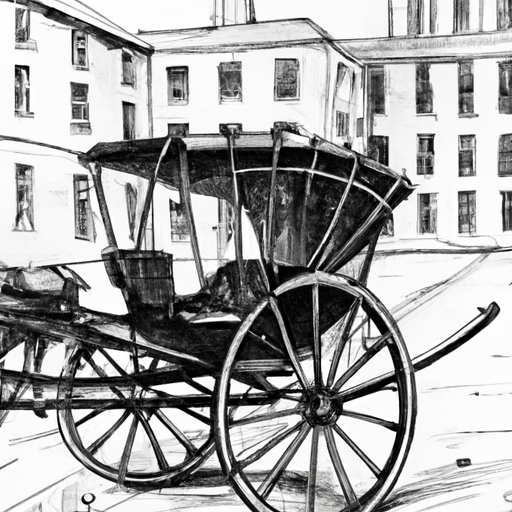
Example of visual style of Carrere And Hastings

Carrere And Hastings

Carrere And Hastings was a Beaux-Arts architectural firm founded in 1885 by John Merven Carrere and Thomas Hastings. They gained fame for their opulent and grandiose designs during the late 19th and early 20th centuries. Their architectural style embodied the Beaux-Arts movement, characterized by classical influences, symmetry, ornate detailing, and a sense of grandeur. Carrere And Hastings' designs were particularly prominent during the Gilded Age, with notable projects including the New York Public Library and the Standard Oil Building in New York City.

View StyleExplore Style

Example of visual style of Daniel Burnham

Daniel Burnham

The Daniel Burnham style is characterized by its grandeur and classical architectural elements. It emerged during the late 19th century and early 20th century in the United States. Daniel Burnham was a prominent architect and urban planner known for his neoclassical designs and monumental buildings. His works, such as the Flatiron Building in New York City and the Union Station in Washington D.C., became iconic symbols of the era. The style is characterized by its Beaux-Arts influence, incorporating symmetrical facades, elaborate ornamentation, and monumental scale. It represents the grand ambitions and progressiveness of the Gilded Age and its architectural feats have left a lasting impact on the American urban landscape.

View StyleExplore Style
Example of visual style of John Merven Carrere

John Merven Carrere

John Merven Carrere was an American architect known for his Beaux-Arts style which was popular during the late 19th and early 20th centuries. This style was famous for its grandeur and elegance, drawing inspiration from classical Greek and Roman architecture. Carrere's designs often featured symmetrical facades, ornate detailing, and a sense of monumentality. One of his most famous works is the New York Public Library, completed in 1911, which exemplifies the Beaux-Arts style and showcases Carrere's mastery.

View StyleExplore Style
Example of visual style of McKim Mead White

McKim Mead White

McKim Mead White is a Beaux-Arts architectural style that emerged in the late 19th century and remained popular until the early 20th century. Known for its grandeur and classical elegance, this style combines elements of French neoclassical design with American architectural traditions. The firm McKim Mead White, comprised of architects Charles Follen McKim, William Rutherford Mead, and Stanford White, played a significant role in popularizing this style through their iconic works such as the Boston Public Library and the original Pennsylvania Station in New York City.

View StyleExplore Style
Example of visual style of Standard Oil Building

Standard Oil Building

The Standard Oil Building style emerged in the late 19th and early 20th century, particularly between 1900 and 1930. It became famous for its architectural grandeur and robustness. The style was characterized by the use of steel structures and Beaux-Arts design principles. The Standard Oil Building in particular, built in 1885, showcased remarkable ornamentation and impressive height for its time. Its fame stemmed from being one of the first skyscrapers in the United States and a symbol of industrial prowess.

View StyleExplore Style
Example of visual style of Stanford White

Stanford White

Stanford White was an American architect known for his Beaux-Arts style, which flourished during the late 19th and early 20th centuries. This style epitomized the opulence and grandeur of the Gilded Age. White's designs featured classical elements such as columns, arches, and decorative motifs, combined with modern innovations in structural engineering. His work became famous for its elaborate ornamentation, intricate detailing, and the use of high-quality materials. Stanford White's visual style rose to prominence between the 1870s and 1900s and left a lasting impact on American architecture and design.

View StyleExplore Style
Example of visual style of Thomas Hastings

Thomas Hastings

Thomas Hastings was an American architect known for his Beaux-Arts style designs. He was active during the late 19th and early 20th centuries, with his most famous work being the New York Public Library. Hastings' style is characterized by grandeur, classical symmetry, and ornate detailing, inspired by the architectural traditions of ancient Greece and Rome. His buildings are often marked by their monumental facades, large-scale sculptures, and extravagant interiors. Hastings' work in the Beaux-Arts style became famous for its ability to convey a sense of permanence and civic pride, leading to its widespread usage in public and institutional buildings.

View StyleExplore Style
Example of visual style of William Rutherford Mead

William Rutherford Mead

William Rutherford Mead was a prominent American architect in the late 19th and early 20th centuries. He is best known as one of the founding partners of McKim, Mead & White, a renowned architectural firm that shaped the Beaux-Arts and Colonial Revival styles. Mead's work became famous during the years 1879-1915. He contributed to the popularization of the Beaux-Arts style in the United States, characterized by grandeur, ornamentation, and classical influences. Mead's designs often featured elaborate detailing, symmetrical facades, and a sense of grace and elegance.

View StyleExplore Style
Home