StylopediaStylopedia

Art Nouveau styles on Stylopedia

A visual encyclopedia of Art Nouveau styles – use as prompt inspiration for Midjourney, Gemini, or ChatGPT AI when making Art Nouveau images

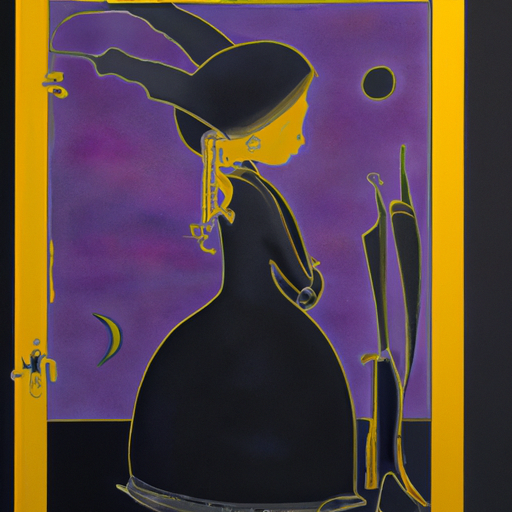
Example of visual style of Alphonse Mucha

Alphonse Mucha

Alphonse Mucha was an influential Art Nouveau artist in the late 19th and early 20th centuries. His distinctive style, characterized by intricate and ornamental designs, gained popularity through his iconic poster art. Mucha's work is known for its vibrant colors, elaborate floral motifs, and elegant female figures. This style became famous for capturing the essence of the Art Nouveau movement, which emphasized organic forms and decorative elements. Mucha's artistic contributions between 1890 and 1910 helped shape the visual landscape of the era.

View StyleExplore Style
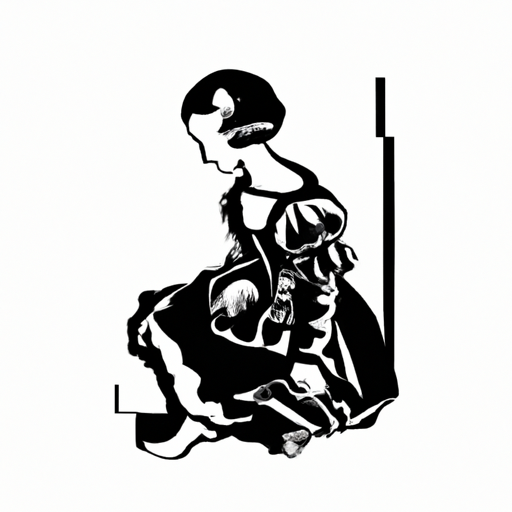
Example of visual style of Aubrey Beardsley

Aubrey Beardsley

Aubrey Beardsley was an English illustrator and author who had a significant influence on the development of Art Nouveau style in the late 19th century. His distinct black-and-white drawings featured intricate and highly stylized lines, often depicting themes of eroticism and the macabre. Beardsley's work gained fame in the 1890s and he became known for his illustrations in influential publications such as 'The Yellow Book' and 'Salomé'. His unique style and controversial subject matter made him a prominent figure in the Aesthetic movement.

View StyleExplore Style
Example of visual style of Audrey Kawasaki

Audrey Kawasaki

Audrey Kawasaki is a contemporary artist known for her distinctive and alluring visual style. Her work combines elements of Japanese manga, Art Nouveau, and traditional woodblock printing. Kawasaki's images typically feature ethereal female figures with pale skin, long flowing hair, and expressive eyes. Her art is characterized by a delicate blend of organic and geometric shapes, often surrounded by intricate patterns and intricate linework. Kawasaki started gaining recognition in the early 2000s through her online presence and participation in group exhibitions. Her work quickly became popular due to its sensual and enigmatic nature, which captivated audiences worldwide.

View StyleExplore Style
Example of visual style of Charles Rennie Mackintosh

Charles Rennie Mackintosh

Charles Rennie Mackintosh was a Scottish architect, artist, and designer who was active in the late 19th and early 20th centuries. He is well-known for his unique and influential style that combined elements of Art Nouveau and Japanese design with Scottish architecture. Mackintosh's style became famous for its emphasis on simplicity, geometric forms, and incorporation of natural motifs. His works, which included buildings, furniture, and decorative objects, were highly innovative and often featured clean lines, floral patterns, and the use of materials such as glass and iron. Mackintosh's designs had a lasting impact and helped shape the development of modern architecture and design.

View StyleExplore Style
Example of visual style of Clara Driscoll

Clara Driscoll

Clara Driscoll was an American artist and designer who worked for the Tiffany Studios in the late 1800s and early 1900s. She is best known for her contribution to the development of the iconic Tiffany lamp. Driscoll's notable works include intricate lampshade designs featuring vibrant colors, nature-inspired motifs such as flowers and dragonflies, and leaded glass craftsmanship. Her designs quickly gained popularity and brought significant acclaim to the Tiffany Studios during the Art Nouveau period.

View StyleExplore Style
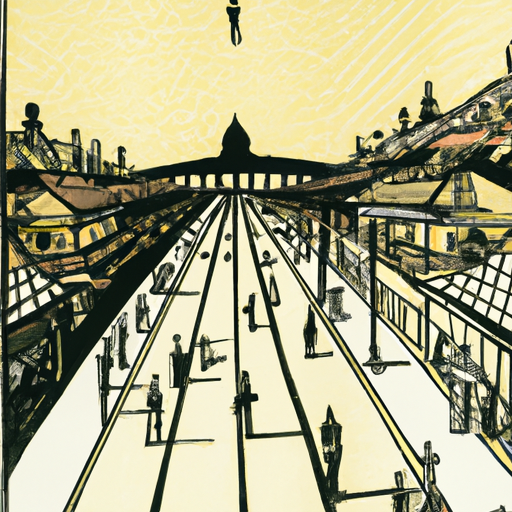
Example of visual style of Franois Schuiten

Franois Schuiten

Franois Schuiten is a Belgian comic book artist and illustrator known for his highly detailed and intricate architectural drawings. His unique visual style, which emerged in the 1980s, combines elements of Art Nouveau and Science Fiction, resulting in a blend of fantastical and futuristic urban landscapes. Schuiten's meticulously crafted illustrations often feature intricate cityscapes, towering buildings, and intricate mechanical structures, creating a sense of awe and wonder. His work became famous for its attention to detail, atmospheric lighting, and his ability to create immersive and otherworldly environments within his drawings.

View StyleExplore Style
Example of visual style of Georgia Green

Georgia Green

Georgia Green is a visual style that emerged in the early 20th century. It rose to prominence between the 1920s and 1950s. This style became famous for its vibrant use of the color green, inspired by the lush landscapes of Georgia. It features bold and organic shapes, incorporating elements from nature such as leaves, trees, and floral motifs. Georgia Green is often associated with Art Deco and the Art Nouveau movements, as it shares a similar emphasis on natural forms and decorative patterns.

View StyleExplore Style
Example of visual style of Glasgow School

Glasgow School

The Glasgow School emerged in the late 19th century in Glasgow, Scotland and reached its peak between 1890 and 1910. It was a distinct artistic movement characterized by a combination of Art Nouveau, Arts and Crafts, and Celtic Revival influences. The style became famous for its progressive approach and the integration of fine arts, design, and architecture. Artists of the Glasgow School, such as Charles Rennie Mackintosh and Margaret MacDonald, created unique and innovative works that challenged traditional artistic norms.

View StyleExplore Style
Example of visual style of Goldie

Goldie

Goldie is a visual style that emerged in the late 19th century and became popular during the Art Nouveau movement. It is characterized by its lavish use of gold accents and ornate designs. This style gained fame with artists and designers such as Gustav Klimt and Louis Comfort Tiffany, who incorporated gold leaf and intricate patterns in their creations. The opulence and attention to detail in Goldie exemplify the luxurious and extravagant aesthetic of the Art Nouveau era.

View StyleExplore Style
Example of visual style of Hector Guimard

Hector Guimard

Hector Guimard was a prominent French architect and designer, best known for his influential Art Nouveau style during the late 19th and early 20th centuries. His style, characterized by organic and curvilinear forms, was especially prominent in his architectural designs, such as the Paris Metro entrances. Guimard combined elements of nature, such as plants and insects, with innovative use of materials like cast iron and glass. His designs were revolutionary at the time and became iconic symbols of the Art Nouveau movement, representing the blending of art and architecture in a harmonious and decorative manner.

View StyleExplore Style
Example of visual style of Kay Nielsen

Kay Nielsen

Kay Nielsen was a Danish illustrator who gained fame for his intricate and enchanting art style in the early 20th century. His work became particularly renowned during the Golden Age of Illustration, a period from the late 19th century to the early 20th century, characterized by the proliferation of illustrated books. Nielsen's illustrations were known for their ethereal and otherworldly quality, often featuring fantastical creatures, elaborate costumes, and intricate details that captured the imagination of readers. His work was heavily influenced by Art Nouveau, with flowing lines, sinuous curves, and intricate patterns. Nielsen's art became famous for its ability to transport viewers into a world of magic and wonder.

View StyleExplore Style
Example of visual style of Koloman Moser

Koloman Moser

Koloman Moser was an Austrian artist and designer who played a crucial role in the development of the Vienna Secession movement. Active from the late 19th to early 20th century, Moser's style combined elements of Art Nouveau and modernist design. He was known for his precise geometric shapes, bold use of color, and intricate patterns. His work embraced various mediums including painting, graphic design, furniture, textiles, and ceramics. Moser's innovative approach to design and his involvement in the Wiener Werkstätte (Vienna Workshops) made him famous, contributing to the birth of a new modern aesthetic in Vienna.

View StyleExplore Style
Example of visual style of Line Art

Line Art

Line Art is a visual style characterized by the use of simple lines to create intricate and detailed illustrations. It emerged in the late 19th century with the advent of printmaking techniques that emphasized clean and precise lines. Line Art became particularly famous during the Art Nouveau movement in the late 1800s and early 1900s, with artists like Alphonse Mucha and Aubrey Beardsley incorporating it in their artworks. This style gained popularity due to its ability to depict intricate patterns, delicate details, and elegant figures using minimalistic lines.

View StyleExplore Style
Example of visual style of Louis Comfort Tiffany

Louis Comfort Tiffany

Louis Comfort Tiffany was an American artist and designer known for his work in the Art Nouveau and Aesthetic movements. He was active primarily in the late 19th and early 20th centuries. Tiffany became famous for his innovative use of stained glass, particularly in the creation of intricate and vibrant stained glass windows, lamps, and decorative objects. His unique style emphasized the use of opalescent glass, rich colors, and organic motifs, often inspired by nature. Tiffany's work, with its combination of beauty, craftsmanship, and innovation, has left a lasting impact on the world of art and design.

View StyleExplore Style
Example of visual style of Modernisme

Modernisme

Modernisme is an artistic and architectural style that emerged in the late 19th and early 20th centuries. It reached its peak of popularity between 1888 and 1911 in Catalonia, Spain. Modernisme is famous for its use of organic and sinuous forms, intricate ornamentation, and incorporation of natural motifs, such as flowers and vines. It was inspired by the unique combination of Catalan nationalism, an interest in medieval art and architecture, and the influence of European Art Nouveau. Modernisme is characterized by its emphasis on craftsmanship and the integration of various artistic disciplines, including architecture, sculpture, painting, and decorative arts.

View StyleExplore Style
Example of visual style of Rene Lalique

Rene Lalique

Rene Lalique is a visual style that emerged in the late 19th and early 20th centuries. It is known for its exquisite glasswork and jewelry designs. Lalique's style became famous for its innovative use of materials, such as glass, horn, and precious gemstones, combined with intricate designs inspired by nature. His works gained popularity during the Art Nouveau movement in the late 1800s and later flourished during the Art Deco period in the 1920s. Lalique's designs are characterized by their sensual curves, fluid lines, and motifs depicting flora, fauna, and mythical creatures. The delicate craftsmanship and attention to detail made Lalique's creations highly sought after by art collectors and enthusiasts.

View StyleExplore Style
Example of visual style of Victor Horta

Victor Horta

Victor Horta was an influential Belgian architect and designer known for his Art Nouveau style, particularly in the late 19th and early 20th centuries. Horta's style was characterized by organic forms, intricate detailing, and the integration of decorative elements into the structure itself. He is famous for his innovative use of iron and glass in architectural designs, as well as his creation of open, light-filled spaces. Horta's work marked a new era in architecture, combining functionality and aesthetics to create harmonious and visually stunning spaces.

View StyleExplore Style
Example of visual style of Willy Pogany

Willy Pogany

Willy Pogany was a Hungarian-American artist and illustrator known for his distinctive Art Nouveau and Art Deco style. Active in the late 19th and early 20th centuries, Pogany's work became famous for its intricate detail, graceful lines, and vibrant colors. His illustrations often featured fantastical and mythological themes, capturing the imagination of viewers. Pogany gained recognition for his illustrations in books such as 'The Rime of the Ancient Mariner' and 'The Rubaiyat of Omar Khayyam'. His style became influential and popular during the height of the Art Nouveau movement in the late 19th century and continued to be praised during the Art Deco era of the 1920s and 1930s.

View StyleExplore Style
Home