StylopediaStylopedia

American West styles on Stylopedia

A visual encyclopedia of American West styles – use as prompt inspiration for Midjourney, Gemini, or ChatGPT AI when making American West images

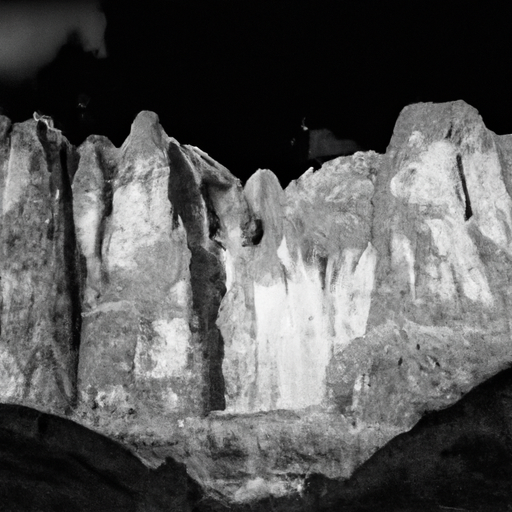
Example of visual style of Ansel Adams

Ansel Adams

Ansel Adams was a renowned American photographer who rose to prominence in the mid-20th century. His black and white landscape photographs, particularly of the American West, became iconic representations of the natural beauty of the United States. Adams is widely celebrated for his precise and meticulous approach to photography, which involved masterful composition, careful use of light and shadow, and extensive darkroom techniques. His works captured the grandeur and sublime qualities of nature, showcasing its vastness, detail, and inherent aesthetics. Ansel Adams' style became famous for its ability to evoke emotional responses from viewers, often leaving them in awe of the majestic landscapes he captured.

View StyleExplore Style
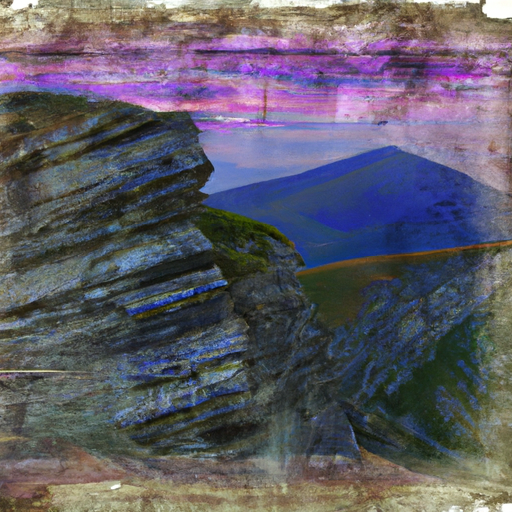
Example of visual style of Charles Marion Russell

Charles Marion Russell

Charles Marion Russell was an American artist who specialized in Western-themed paintings, sculptures, and illustrations. Active during the late 19th and early 20th centuries, Russell's work played a significant role in shaping the popular imagination of the American West. His realistic portrayals of cowboys, Native Americans, landscapes, and wildlife captured the ruggedness and romanticism associated with the frontier. Russell's keen attention to detail, use of vibrant colors, and ability to convey emotion made his work famous and iconic.

View StyleExplore Style
Example of visual style of Harvey Dunn

Harvey Dunn

Harvey Dunn was an American painter known for his realist style and portrayal of the American West. Active in the late 19th and early 20th centuries, his work became famous for its dramatic lighting, detailed depictions of landscapes and figures, and emotional storytelling. Dunn's art often depicted scenes of cowboys, Native Americans, and pioneers, capturing the spirit of the American frontier. His pivotal role as an illustrator for magazines and books, such as The Saturday Evening Post and Harper's Weekly, further contributed to his fame.

View StyleExplore Style
Example of visual style of Sam Peckinpah

Sam Peckinpah

Sam Peckinpah was a filmmaking style known for its gritty and violent portrayal of the American West. In the 1960s and 1970s, Peckinpah revolutionized the Western genre with films like 'The Wild Bunch' (1969) and 'Pat Garrett and Billy the Kid' (1973). His use of slow-motion, rapid editing, and graphic violence became his trademark and pushed the boundaries of traditional Western storytelling. Peckinpah's style was known for its realistic and often controversial portrayal of violence, providing a raw and visceral experience for the viewers.

View StyleExplore Style
Home