StylopediaStylopedia

American styles on Stylopedia

A visual encyclopedia of American styles – use as prompt inspiration for Midjourney, Gemini, or ChatGPT AI when making American images

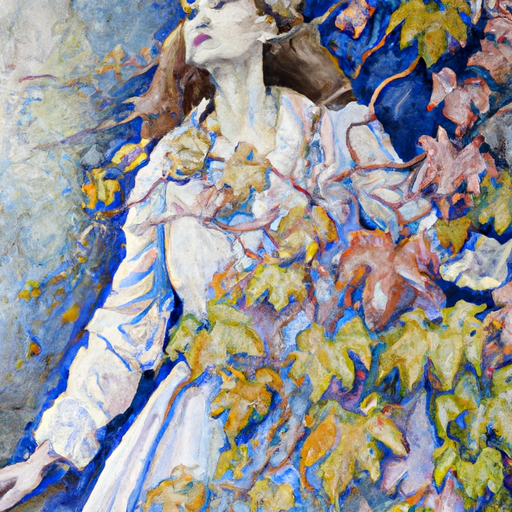
Example of visual style of John La Farge

John La Farge

John La Farge was an American painter, muralist, and stained-glass window designer who became renowned for his innovative use of color in art. Active during the late 19th and early 20th century, La Farge's style emerged as a reaction to the detailed realism of the Hudson River School. He focused on capturing the mood and atmosphere of a subject rather than exact representation. La Farge is best known for his landscapes, marine scenes, and captivating studies of light and color. His experimentation with opalescent glass in his stained-glass windows earned him popularity in this medium as well.

View StyleExplore Style
Example of visual style of John Musker

John Musker

John Musker is an American director, screenwriter, and producer known for his work in the animation industry. He is famous for his collaboration with Ron Clements, together known as 'Musker and Clements'. Their visual style became popular in the late 1980s and 1990s, with films like 'The Little Mermaid' (1989), 'Aladdin' (1992), and 'Hercules' (1997). Musker's style is characterized by vibrant colors, fluid animation, and a blend of traditional hand-drawn animation with computer-generated imagery. His films often incorporate musical numbers and feature visually stunning fantasy worlds.

View StyleExplore Style
Example of visual style of Nc Wyeth

Nc Wyeth

Nc Wyeth was an American painter and illustrator during the late 19th and early 20th centuries. His visual style is characterized by highly detailed and vibrant oil paintings with a focus on narrative storytelling. Wyeth became famous for his illustrations of adventure and historical books, particularly for his work on Treasure Island, Robin Hood, and The Last of the Mohicans. His use of dramatic lighting and bold composition techniques brought his subjects to life and established him as one of the most prominent illustrators of his time.

View StyleExplore Style
Example of visual style of Shelby Mustang

Shelby Mustang

The Shelby Mustang is a classic American muscle car that rose to fame in the 1960s. It is widely known for its powerful performance and aggressive design, which made it stand out from other cars of its time. The iconic Shelby Mustangs were produced from 1965 to 1970, with the 1967 Shelby GT500 being one of the most famous models. Its distinctive features included a prominent hood scoop, racing stripes, and a muscular body. The Shelby Mustang became famous for its dominance on the racetrack, especially in the Sports Car Club of America (SCCA) competitions. The combination of speed, style, and success on the track solidified its place in automotive history.

View StyleExplore Style

Example of visual style of Wyeth Family

Wyeth Family

Wyeth Family is an American artistic dynasty consisting of three generations of artists: N.C. Wyeth, Andrew Wyeth, and Jamie Wyeth. Active primarily in the 20th century, their style is characterized by a realistic and often melancholic portrayal of rural American life. N.C. Wyeth gained fame as an illustrator, particularly for his illustrations of adventure and historical books, while Andrew Wyeth and Jamie Wyeth focused on painting landscapes, portraits, and still lifes. Their works capture the beauty and solitude of the American countryside, evoking a sense of nostalgia and introspection.

View StyleExplore Style
Home