
Aaron Douglas
Aaron Douglas was an African American artist known for his distinctive blend of modernist aesthetics with themes of African American culture and history during the Harlem Renaissance in the 1920s and 1930s.
View StyleExplore Style Stylopedia
A visual encyclopedia of African American styles – use as prompt inspiration for Midjourney, Gemini, or ChatGPT AI when making African American images
Aaron Douglas was an African American artist known for his distinctive blend of modernist aesthetics with themes of African American culture and history during the Harlem Renaissance in the 1920s and 1930s.
View StyleExplore Style
Amy Sherald is an American artist known for her distinctive style of portrait painting that features vibrant colors, grayscale skin tones, and a unique combination of realism and abstraction. Her work gained international recognition in 2018 when her portrait of former First Lady Michelle Obama was unveiled at the National Portrait Gallery in Washington, D.C. Sherald's style is influenced by Realism and Postmodernism, and she often explores themes of African American identity, representation, and social justice in her artwork.
View StyleExplore Style
Barbara Chase Riboud is a visual style that emerged in the late 1960s and gained prominence in the 1970s. It is characterized by bold and dramatic sculptures and mixed-media artworks. Riboud's style became famous for integrating African and African American cultural motifs with geometric forms and organic materials, exploring themes of history, race, and feminism. Her use of materials like bronze, textiles, and wood, along with her attention to intricate details, creates a sense of tactile and visual richness.
View StyleExplore Style
Betye Saar is a visual artist known for her distinctive assemblage art. She gained recognition in the 1960s and 1970s for her powerful exploration of race, gender, and identity in American society. Saar's work often incorporates found objects, such as old photographs, dolls, and furniture, which she arranges into thought-provoking and thought-provoking compositions. Through her art, Saar addresses themes of racial inequality, cultural stereotypes, and the African American experience, highlighting the importance of social and political issues. Her works have become iconic symbols of the Black Arts Movement and continue to influence contemporary artists.
View StyleExplore Style
A visual style that emerged in the 1960s and 1970s, known for its powerful, politically charged imagery that celebrated African American culture and history.
View StyleExplore Style
Charles Alston was a prominent African American artist known for his dynamic and expressive depictions of black culture and history in the mid-20th century. He was a leader of the Harlem Renaissance and used a blend of modernist and traditional techniques to create powerful and emotive artwork.
View StyleExplore Style
The Gees Bend Quilters style is characterized by bold and vibrant geometric patterns created by African American women in the rural community of Gees Bend, Alabama. This style gained fame in the 20th century for its unique quilting techniques and innovative use of color and design.
View StyleExplore Style
Gordon Parks was an American photographer, filmmaker, and writer who became prominent in the mid-20th century. He was known for his unique visual style, characterized by powerful and evocative black and white imagery. Parks captured the realities of African American life and social issues, including poverty, segregation, and the civil rights movement. His work brought attention to these important issues and challenged societal norms, making him famous for his impactful storytelling through photography. His most famous work includes the photo essay 'Harlem Gang Leader' and his fashion photography for Vogue.
View StyleExplore Style
Harlem Renaissance was a cultural, social, and artistic movement that took place during the 1920s and 1930s in Harlem, New York City. It was known for celebrating African American culture and heritage through various art forms such as music, literature, and visual arts.
View StyleExplore Style
Harriet Powers was an African American folk artist known for her artistic quilts. She gained popularity in the late 19th century for her intricate storytelling quilts that depicted biblical stories and African American life.
View StyleExplore Style
Horace Pippin's visual style is characterized by bold colors, simplified forms, and a strong sense of narrative. His work, which became famous in the 1930s and 1940s, is known for its depictions of African American life and history.
View StyleExplore Style
James Van Der Zee was a renowned African-American photographer known for his iconic portraits and documentary photography during the Harlem Renaissance in the 1920s and 30s. His use of lighting, composition, and attention to detail captured the elegance and pride of his subjects.
View StyleExplore Style
John Singleton was known for his gritty and realistic portrayals of African American urban life in the 1990s. His films often explored themes of race, class, and masculinity, making him a pioneer in independent cinema.
View StyleExplore Style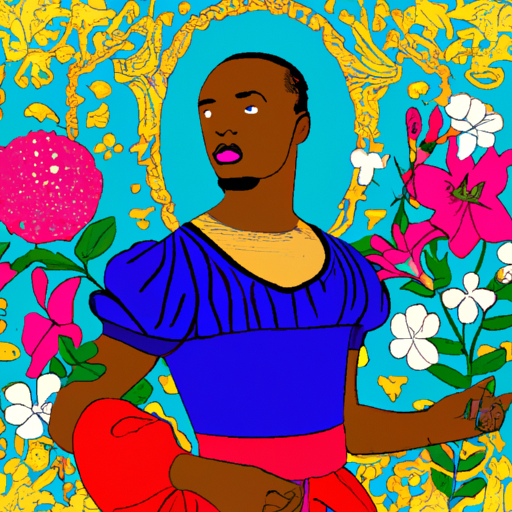
Kehinde Wiley is known for his portrait paintings that combine contemporary African American subjects with the aesthetics of traditional European portrait paintings. He rose to fame in the early 2000s for his highly realistic and monumental paintings that challenge the traditional notions of power, race, and identity. Wiley gained widespread recognition for his official portrait of former United States President Barack Obama in 2018.
View StyleExplore Style
Romare Bearden was an African American artist known for his vibrant collages depicting African American life and culture in the 20th century. His work incorporated elements of Cubism and abstraction, creating unique compositions that celebrated the Black experience.
View StyleExplore Style
A vibrant and energetic visual style that emerged in the 1970s, featuring colorful and funky designs inspired by African American culture and music. Soul Train, a popular TV show showcasing African American music and dance, played a significant role in promoting this style.
View StyleExplore Style
A visual style popular in the early 20th century, depicting the mass movement of African Americans from the rural South to urban cities in the North. Known for its powerful, emotive imagery capturing the struggles and triumphs of the migration.
View StyleExplore Style