StylopediaStylopedia

19th century styles on Stylopedia

A visual encyclopedia of 19th century styles – use as prompt inspiration for Midjourney, Gemini, or ChatGPT AI when making 19th century images

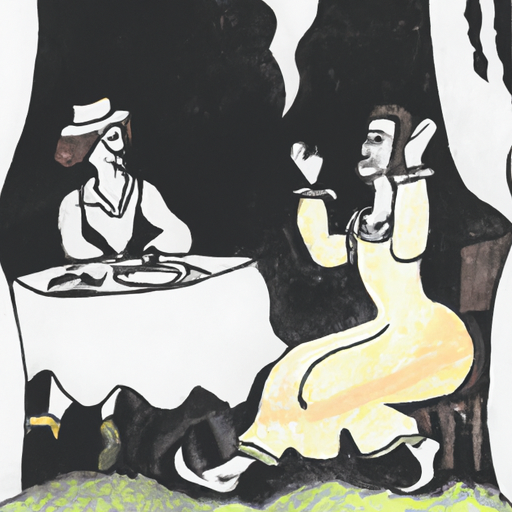
Example of visual style of Aubrey Beardsley

Aubrey Beardsley

Aubrey Beardsley was an English illustrator and author who had a significant influence on the development of Art Nouveau style in the late 19th century. His distinct black-and-white drawings featured intricate and highly stylized lines, often depicting themes of eroticism and the macabre. Beardsley's work gained fame in the 1890s and he became known for his illustrations in influential publications such as 'The Yellow Book' and 'Salomé'. His unique style and controversial subject matter made him a prominent figure in the Aesthetic movement.

View StyleExplore Style
Example of visual style of Celtic Revival

Celtic Revival

Celtic Revival is an artistic movement that emerged in the 19th century and reached its peak in the late 19th and early 20th centuries. It was a celebration and reawakening of Celtic culture, particularly in Ireland and Scotland. This style gained fame through its incorporation of Celtic motifs, symbolism, and mythology into various art forms such as architecture, painting, jewelry, and decorative arts. The widespread interest in Celtic heritage, fueled by archaeological discoveries and cultural movements, revived the appreciation for rich Gaelic traditions and influenced the visual arts of the time.

View StyleExplore Style
Example of visual style of Charles Barry

Charles Barry

Charles Barry was a prominent British architect known for his work in the 19th century. He was famous particularly for his neoclassical and Gothic Revival designs. His most notable project was the rebuilding of the Houses of Parliament in London, completed in 1870. Barry's style blended classical elements with intricate Gothic details, creating grand and imposing structures. His works embodied Victorian architectural ideals and played a significant role in shaping the architectural landscape of the era.

View StyleExplore Style
Example of visual style of Charles Minard

Charles Minard

Charles Minard was a 19th-century French civil engineer known for his innovative and influential visual displays of statistical data. His most famous work is the visual representation of Napoleon's Russian campaign, often referred to as 'Minard's Map'. This groundbreaking piece of data visualization showcases the devastating loss of life and the drastic decline in temperature experienced by Napoleon's army. It became famous for its ability to effectively communicate complex information and has since been hailed as one of the greatest examples of data visualization in history.

View StyleExplore Style
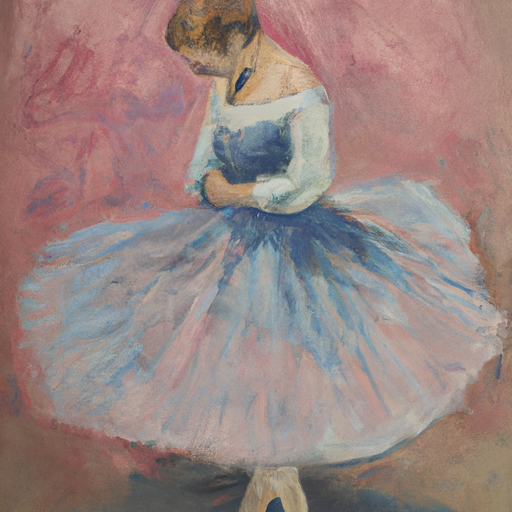
Example of visual style of Degas

Degas

Degas, an influential French artist, is known for his Impressionist paintings and sculptures that depicted everyday life scenes in late 19th-century Paris. He gained fame in the 1870s as a member of the Impressionist movement and continued to refine his style in the following decades. Degas is renowned for his use of color, light, and composition to capture the transient moments and the beauty of modernity. His works often explored dance and ballet, focusing on the movements and emotions of the dancers. Degas' style combined realism with a sense of abstraction, providing a unique perspective on the modern world.

View StyleExplore Style
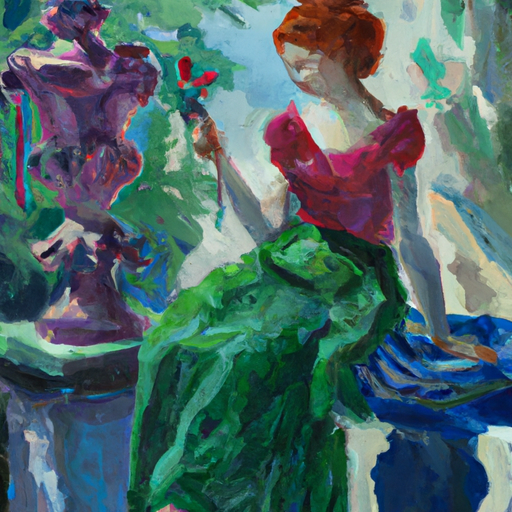
Example of visual style of Eugene Delacroix

Eugene Delacroix

Eugene Delacroix was a prominent French Romantic artist in the 19th century. His style is characterized by vibrant colors, dramatic compositions, and a passion for capturing strong emotions. Delacroix's famous works, such as 'Liberty Leading the People' (1830) and 'The Death of Sardanapalus' (1827), showcased his mastery in creating dynamic and visually captivating scenes. His use of vivid hues and energetic brushstrokes emphasized the intensity and movement within his paintings. Delacroix's style revolutionized traditional academic painting by infusing it with powerful emotional expression, laying the foundation for the Impressionist movement.

View StyleExplore Style
Example of visual style of Georges Seurat

Georges Seurat

Georges Seurat was a French painter who is best known for his technique called Pointillism. This style became famous in the late 19th century, particularly with Seurat's masterpiece 'A Sunday Afternoon on the Island of La Grande Jatte'. Seurat's unique approach involved creating an image using small dots or 'points' of pure color which, when viewed from a distance, blended together to form a cohesive image. This technique gave his paintings a distinct and vibrant visual style.

View StyleExplore Style
Example of visual style of Houses Of Parliament

Houses Of Parliament

Houses Of Parliament is a historical visual style that emerged in the 19th century. It became famous through the iconic paintings of the same name by Claude Monet. These paintings, created between 1899 and 1904, depict the Houses of Parliament in London with their grand Gothic architecture. Monet's use of loose brushwork and vibrant colors helps to capture the atmosphere and changing light conditions of the scenes. The series is renowned for its unique impressionistic style, presenting a new way of capturing urban landscapes.

View StyleExplore Style
Example of visual style of Ludwig Richter

Ludwig Richter

Ludwig Richter was a German painter and illustrator known for his detailed and realistic style. Active during the 19th century, he gained fame for his landscape paintings, portraits, and illustrations for fairy tales, folk stories, and literature. Richter's work is characterized by its meticulous attention to detail, vibrant colors, and strong emphasis on capturing the essence of everyday life. He often depicted scenes from rural settings, capturing the charm and beauty of the German countryside. Ludwig Richter's art became famous for its ability to transport viewers to the depicted time and place, evoking emotions and nostalgia.

View StyleExplore Style
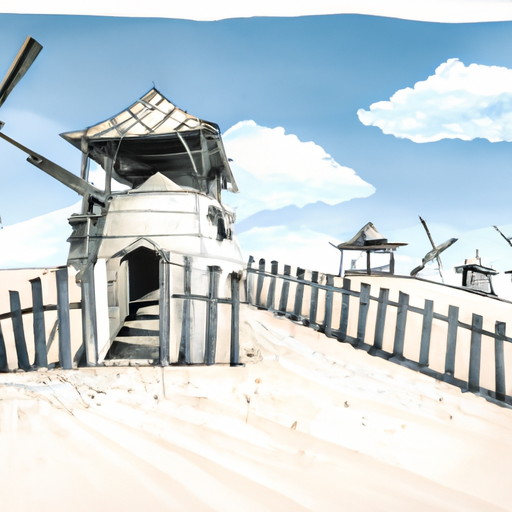
Example of visual style of McKim Mead White

McKim Mead White

McKim Mead White is a Beaux-Arts architectural style that emerged in the late 19th century and remained popular until the early 20th century. Known for its grandeur and classical elegance, this style combines elements of French neoclassical design with American architectural traditions. The firm McKim Mead White, comprised of architects Charles Follen McKim, William Rutherford Mead, and Stanford White, played a significant role in popularizing this style through their iconic works such as the Boston Public Library and the original Pennsylvania Station in New York City.

View StyleExplore Style
Example of visual style of Medieval Revival Style

Medieval Revival Style

Medieval Revival Style, also known as Gothic Revival, was a 19th-century architectural and artistic movement that drew inspiration from the medieval period. It became famous for its popularity in Europe and America during the years 1820-1900. The style was characterized by the use of pointed arches, ribbed vaults, and ornate tracery, reflecting the aesthetic of Gothic cathedrals and castles. It was celebrated for its romantic nostalgia and association with the Middle Ages.

View StyleExplore Style
Example of visual style of Tsugaru Shamisen Music

Tsugaru Shamisen Music

Tsugaru Shamisen Music is a traditional Japanese instrumental style that originated in the Tsugaru region of Aomori Prefecture in the late 19th century. It is characterized by its dynamic and powerful sound produced by a three-stringed instrument called shamisen. This style gained popularity in the 20th century, particularly during the 1960s and 1970s, when master players like Chikuzan Takahashi and Shinichi Kinoshita popularized it through their performances and recordings. Tsugaru Shamisen Music has become a symbol of Japanese traditional music, known for its virtuosic and energetic playing techniques.

View StyleExplore Style
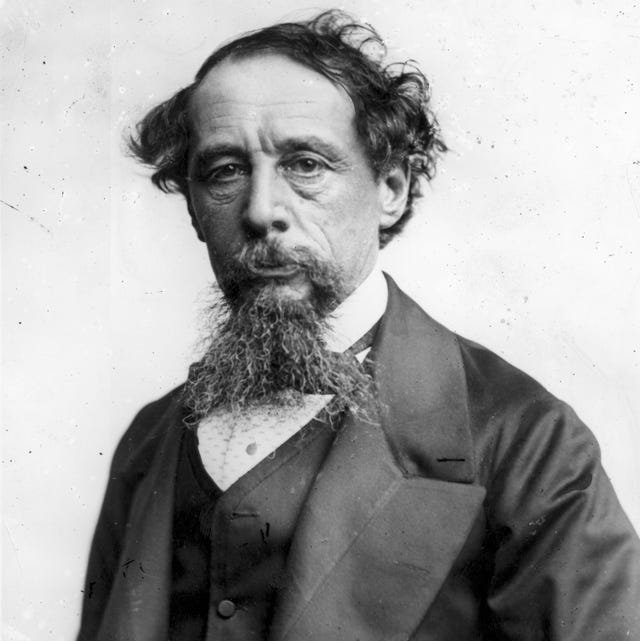
Example of visual style of Vintage Photography

Vintage Photography

Vintage Photography refers to the style of photography that was popular during the late 19th century to the mid-20th century. It encompasses photographs taken between the years 1839 and 1960. Vintage photography gained fame for its distinctive visual characteristics, which include sepia tones, soft focus, grainy textures, and vignetting. This style became famous due to its ability to capture a sense of nostalgia and evoke emotions by transporting viewers back to a specific period in history.

View StyleExplore Style
Home