
La Ronde
La Ronde is a style of visual storytelling made famous in the 1950s. Known for its circular narrative structure, this style presents interconnected stories through a series of vignettes.
View StyleExplore Style Stylopedia
A visual encyclopedia of 1950s styles – use as prompt inspiration for Midjourney, Gemini, or ChatGPT AI when making 1950s images
La Ronde is a style of visual storytelling made famous in the 1950s. Known for its circular narrative structure, this style presents interconnected stories through a series of vignettes.
View StyleExplore Style
Ben Laposky was a pioneer in electronic art, creating abstract and mesmerizing compositions using an oscilloscope. His work in the 1950s paved the way for digital art and electronic music visuals.
View StyleExplore Style
Bettie Page is a visual style inspired by the American model and pin-up girl Bettie Page. It gained popularity in the 1950s and is known for its combination of innocence and seduction. The style features retro fashion, playful poses, and a mix of sweet and sultry expressions. Bettie Page's influence on the style was due to her iconic and audacious photographs, which captured the imagination of many during that era.
View StyleExplore Style
The Betty Draper style is a glamorous and polished look inspired by the 1950s and 1960s. It is characterized by perfectly coiffed hair, tailored dresses, pearls, gloves, and feminine accessories, popularized by the character Betty Draper in the TV show Mad Men.
View StyleExplore Style
Bluto is a visual style that emerged in the 1950s and became famous for its bold and dynamic use of color, exaggerated forms, and strong compositions. It is characterized by its cartoonish and playful aesthetic, often depicting larger-than-life characters and exaggerated facial expressions.
View StyleExplore Style
The Buddy Holly visual style is defined by 1950s rock 'n' roll fashion, including slim-fit suits, skinny ties, horn-rimmed glasses, and clean-cut hairstyles. This style became famous through Buddy Holly's iconic look and music.
View StyleExplore Style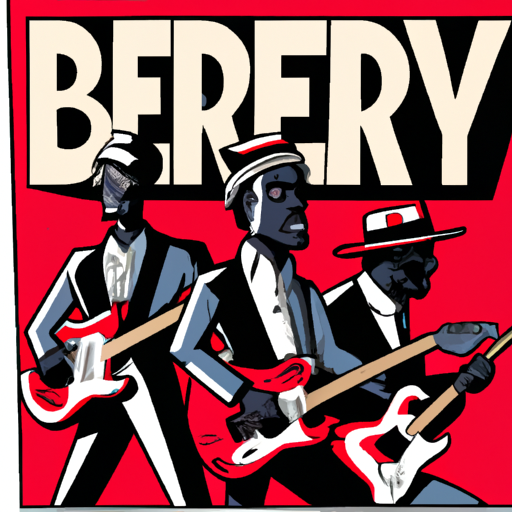
Chuck Berry's visual style in the 1950s and 1960s was characterized by his iconic duckwalk and frenetic stage presence. He often wore sharp tailored suits, colorful shirts, and his signature ducktail hairstyle.
View StyleExplore Style
The Cyd Charisse style, popular in the 1950s, is known for its glamorous and sophisticated aesthetic, often featuring sleek lines, form-fitting silhouettes, and a touch of old Hollywood glamour.
View StyleExplore Style
Desi Arnaz is known for his elegant and sophisticated visual style. Popular during the 1950s and 1960s, this style is characterized by its polished and glamorous aesthetic. Desi Arnaz's style became famous through his role as Ricky Ricardo in the television show 'I Love Lucy', where he showcased his impeccable fashion sense and suave demeanor.
View StyleExplore Style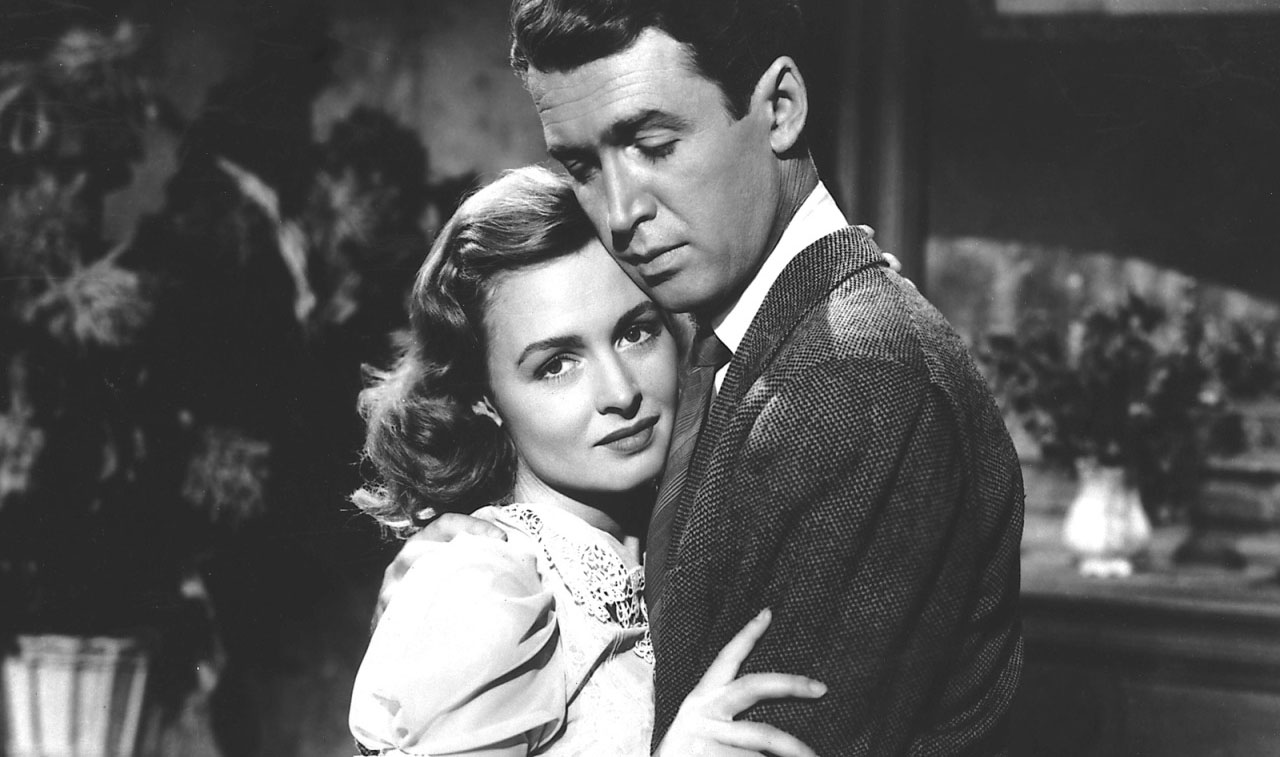
The Donna Reed visual style emerged in the 1950s, characterized by clean, tailored silhouettes, pearls, pastel colors, and polished hairstyles. It is named after actress Donna Reed, who epitomized the wholesome, elegant look of the era.
View StyleExplore Style
Earl Moran was an American painter and illustrator known for his pin-up art that became popular in the 1940s and 1950s. His work was characterized by its sensual and glamorous depiction of beautiful women.
View StyleExplore Style
Graham Ingels, also known as Ghastly, was a master of horror comics, known for his detailed and grotesque artwork. His work was prominent in the 1950s with EC Comics and helped define the horror genre in comic books.
View StyleExplore Style
Happy Days visual style was popular in the 1950s-1960s and was characterized by bright, bold colors, retro design elements, and a sense of nostalgia for the past. The style became famous through the television show 'Happy Days' which depicted life in the 1950s in a nostalgic and idealized way.
View StyleExplore Style
The visual style of the Happy Days TV show, which aired from 1974 to 1984, embodies the nostalgia and simplicity of the 1950s Americana. The show is known for its vibrant colors, retro fashion, and iconic set designs, creating a timeless and feel-good aesthetic.
View StyleExplore Style
Harryhausen Style refers to the stop-motion animation technique created by Ray Harryhausen, a renowned visual effects creator. This style gained popularity during the 1950s to the 1980s. Ray Harryhausen is famous for his groundbreaking work in films such as "Jason and the Argonauts", "Clash of the Titans", and "The 7th Voyage of Sinbad". The Harryhausen Style is known for its highly detailed and intricately animated creatures and special effects, bringing mythological creatures and monsters to life.
View StyleExplore Style
The Hot Rod visual style emerged in the 1950s and is characterized by custom-built cars with bright, bold colors, flame decals, and exaggerated proportions. It gained popularity through movies like American Graffiti and the music of artists like Link Wray.
View StyleExplore Style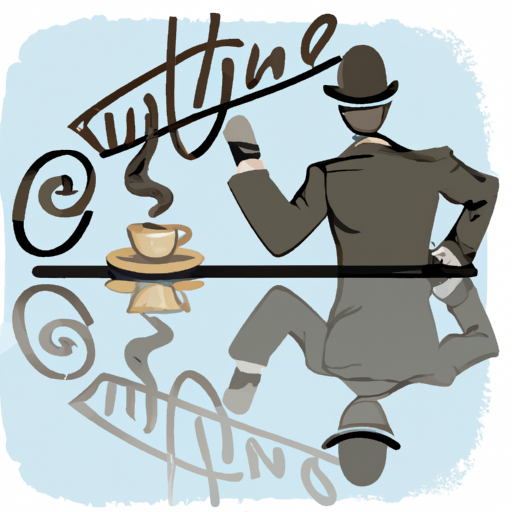
Humphrey Bogart visual style refers to the fashion and appearance associated with the iconic American actor Humphrey Bogart. This style emerged primarily in the 1940s and 1950s. Bogart popularized a rugged and anti-hero image in his films, often portraying tough and morally ambiguous characters. His distinctive style was characterized by his trademark fedora hat, trench coat, tailored suits, and a cigarette held with cool confidence. Bogart's effortless charisma, deep voice, and intense gaze added to his allure, making him a legendary figure in film history.
View StyleExplore Style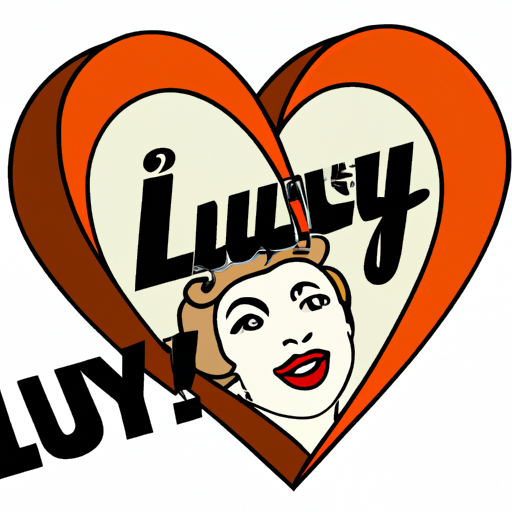
The visual style of 'I Love Lucy' is characterized by colorful, vibrant sets, classic 1950s fashion, and exaggerated facial expressions. This iconic sitcom aired from 1951 to 1957 and revolutionized TV comedy with its innovative use of multiple cameras and live audiences.
View StyleExplore Style
Jacques Fath was a French fashion designer known for his elegant and luxurious creations that defined 1950s chic. He was famous for his innovative designs and use of luxurious materials.
View StyleExplore Style
The James Dean visual style is iconic for its rebellious and effortlessly cool aesthetic in the 1950s. Made famous by the actor James Dean, this style is characterized by denim jackets, white t-shirts, and slicked-back hair.
View StyleExplore Style
Joe Simon was a comic book artist and writer known for his bold, dynamic artwork in the Golden Age of Comics, specifically during the 1940s and 1950s. His influential style was characterized by strong, clean lines, vibrant colors, and impactful compositions.
View StyleExplore Style
John Sturges was an American film director known for his work in the 1950s and 1960s. His visual style was characterized by a focus on action-packed scenes, dynamic camera work, and strong storytelling. Sturges gained fame for his work on iconic films such as 'The Magnificent Seven' and 'The Great Escape'.
View StyleExplore Style
Lygia Pape was a Brazilian artist known for her geometric and abstract visual style in the 1950s-60s. Her work often involved repetitive patterns, bold colors, and minimalist compositions.
View StyleExplore Style
Merle Travis is a style of guitar playing named after the influential American country and western guitarist and songwriter Merle Travis. Popular in the 1940s and 1950s, it is characterized by thumbpicking, a technique that involves using the thumb to play bass notes while the fingers pick out melodies and harmonies.
View StyleExplore Style
Pinstriping is a decorative style characterized by thin, elongated lines often painted by hand on vehicles or other surfaces. Popularized in the 1950s and 1960s by custom car designers, pinstriping adds a touch of elegance and customization to various objects.
View StyleExplore Style
The Rat Pack visual style emerged in the 1950s and was popularized by the group of entertainers known as the Rat Pack. This style is characterized by sharp, tailored suits, sleek hairstyles, and a sophisticated yet laid-back attitude.
View StyleExplore Style
Ray Ban Sunglasses are iconic eyewear known for their timeless design and classic appeal. Made famous in the 1950s, they are characterized by their thick frames, dark lenses, and distinctive logo on the side.
View StyleExplore Style
Rockabilly is a retro style that reflects the fashion of the 1950s, combining elements of rock and roll music with country western influences. Known for its bold and colorful designs, this style became popular in the 1980s as a revival of the vintage look.
View StyleExplore Style
Rockabilly Style emerged in the 1950s and combines elements of retro 1950s fashion with a rebellious attitude. Known for its bold colors, polka dots, leather jackets, and slicked-back hair, this style pays homage to the early days of rock and roll.
View StyleExplore Style
Roman Holiday is a classic romantic comedy film released in 1953. It showcases the enchanting visual style of 1950s Rome, known for its vibrant colors, timeless elegance, and picturesque locations. The film became famous for capturing the essence of an American princess in the Eternal City and highlighting the beauty of famous landmarks such as the Colosseum, Trevi Fountain, and Spanish Steps. Roman Holiday's visual style exudes a sense of charm, sophistication, and dreamlike romance, making it an enduring icon of the era.
View StyleExplore Style
The Sandra Dee visual style emerged in the 1950s and is characterized by pristine femininity, pastel colors, and an innocent charm. Inspired by the actress Sandra Dee, this style became famous for its sweet and wholesome appearance.
View StyleExplore Style
Sputnik Style emerged in the late 1950s and was inspired by the Soviet Union's launch of the Sputnik satellite. It featured futuristic, space-age designs and materials, often characterized by geometric shapes and metallic finishes.
View StyleExplore Style
The Teddy Boys style emerged in 1950s Britain, characterized by Edwardian-inspired fashion with a rebellious twist. It became famous for its dandy-like aesthetic and association with rock 'n' roll music.
View StyleExplore Style
The Honeymooners is a classic 1950s sitcom known for its simple, yet expressive, visual style. Set in a modest Brooklyn apartment, the show featured a warm and inviting color palette, traditional mid-century furniture, and detailed costumes that mirrored the era's working-class aesthetic.
View StyleExplore Style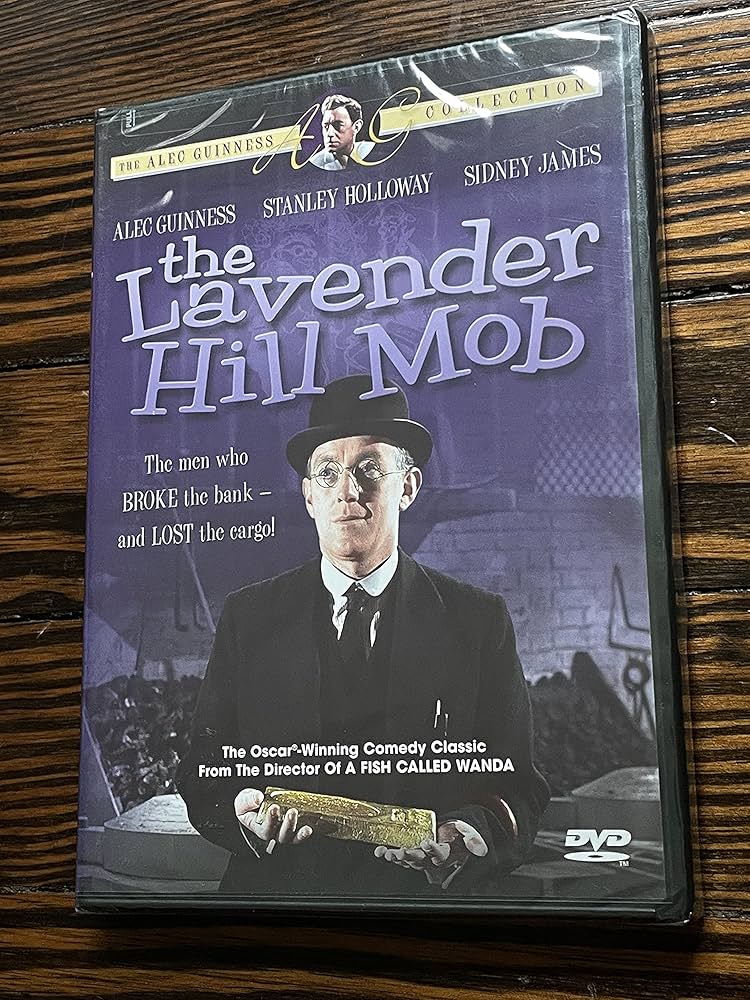
The visual style of The Lavender Hill Mob is characterized by its charming and whimsical portrayal of post-war London in the 1950s. Known for its attention to detail and nostalgic depiction of everyday life, this style captured the imagination of audiences and became a defining feature of British cinema from this era.
View StyleExplore Style
The visual style of Tucker Corporation was characterized by innovative and futuristic design elements in the 1940s and 1950s. The famed Tucker '48 automobile, with its unique center headlight and streamlined body, was a hallmark of this style.
View StyleExplore Style
Walter Briggs Jr was an American photographer known for his black and white candid street photographs in New York City during the 1950s and 1960s, capturing the essence of urban life.
View StyleExplore Style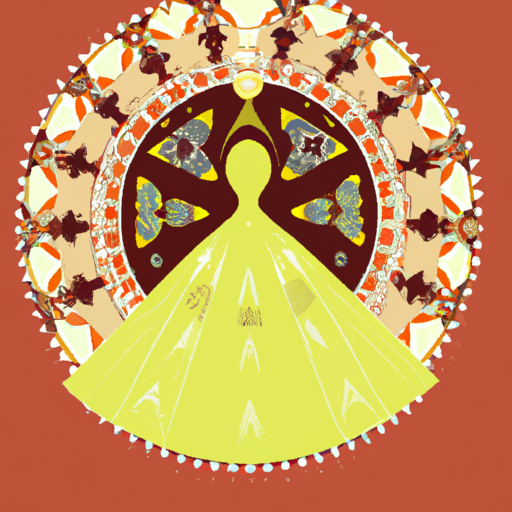
Zelda Wynn Valdes was a fashion designer known for her glamorous and figure-enhancing designs in the 1940s and 1950s. She was the go-to designer for many notable celebrities and performers.
View StyleExplore Style
Zoe Mozert was an American pin-up and glamour artist known for her ability to capture the beauty and sensuality of women in the 1940s and 1950s. Her work was famous for its soft pastel colors, attention to detail, and alluring compositions.
View StyleExplore Style